Why Handwoven Sarees Are the Future of Sustainable Fashion
The handwoven saree, long associated with tradition and special occasions, is emerging as a compelling symbol of sustainable fashion in today's world. As consumers increasingly demand transparency about where their clothes come from and how they are made, these artisanal garments deliver qualities fast fashion struggles to match: genuine craftsmanship, exceptional durability and a markedly reduced environmental impact.
This transition feels timely. Shoppers across India, the United States, Canada, Europe, Singapore, Australia, the United Kingdom and the UAE are gravitating toward textiles that blend cultural heritage with modern priorities such as ethical production and ecological responsibility.
Fast fashion erodes cultural heritage, sidelining artisans and reducing traditions to trends. At IndieHaat, we champion India's craftspeople with handcrafted sarees, apparel, décor and skincare rooted in authenticity. Each piece embodies skill and ethical care. Support artisans and preserve India's timeless legacy Shop Now!
The Global Momentum Behind Sustainable Fashion
Sustainable fashion has moved firmly into the mainstream. In North America and across much of Europe, a growing number of consumers actively seek clothing that aligns with values of ethical sourcing, reduced waste and lower environmental harm. Younger buyers, in particular, are driving this change, favoring brands that prioritize longevity over rapid trend turnover.
Similar momentum exists in markets like Singapore and the UAE, where cosmopolitan consumers appreciate premium, culturally distinctive pieces that stand apart from mass-produced alternatives. Meanwhile, India remains both a source and an active participant in this global shift, with increasing domestic and international interest in handcrafted, responsibly made textiles.
Recent industry analysis highlights the strength of this direction. The Indian textile and apparel sector, valued at USD 222.08 billion in 2024, continues to expand rapidly, supported by government programs aimed at empowering weavers, promoting ethical materials and capitalizing on global demand for sustainable alternatives as buyers look beyond traditional supply chains.
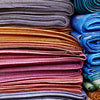
Handwoven sarees sit at the heart of this movement. Produced slowly on traditional looms with natural fibers linen, silk and cotton they embody the principles of slow fashion: minimal resource use, no synthetic chemicals and time-honored skills preserved across generations.
Why Handwoven Sarees Naturally Support Sustainability
Factory-produced clothing often depends on high water consumption, chemical-intensive dyeing and synthetic fibers. In contrast, handwoven sarees rely on pure, plant-based or naturally derived fabrics that require fewer harmful inputs. Linen offers breathability ideal for warm climates, tussar silk brings subtle texture and elegance and cotton provides everyday versatility all sourced with relatively low environmental cost.
Equally important is the human element. When sarees are made by skilled artisans and sold through direct-to-consumer models, earnings reach the weavers themselves rather than multiple intermediaries. This supports rural livelihoods, preserves endangered weaving techniques and shortens supply chains, lowering the carbon footprint associated with long-distance manufacturing and distribution.
In Western markets such as the United States, Canada, the UK and parts of Europe, these pieces appeal both to diaspora communities seeking cultural connection and to eco-conscious luxury shoppers who value versatile, heirloom-quality garments. In Singapore and the UAE, they attract buyers looking for distinctive, high-craft items that convey refined taste through authenticity rather than logo-driven branding.
IndieHaat's Distinctive Role in the Ecosystem
IndieHaat exemplifies how traditional craftsmanship can reach global audiences responsibly. Operating from Bangalore, the curated platform partners directly with artisans across India to offer handpicked handmade apparel, accessories, home décor and artisanal skincare products.
Every piece undergoes careful vetting to ensure quality, cultural authenticity and ethical production standards. IndieHaat exclusively features garments made from pure linen, silk and cotton no synthetics delivering unique designs that cannot be replicated at scale.
By making these items available through marketplaces such as Amazon and ONDC and serving customers in key regions including India, the US, Canada, Europe, Singapore, Australia, the UK and the UAE, IndieHaat creates a meaningful bridge between artisan communities and conscious consumers worldwide.
Overcoming the Most Common Objections
Understandable concerns remain. Chief among them is price. Handwoven sarees command higher costs because of the skilled labor, time and premium natural materials involved. Yet this investment delivers exceptional value: garments built to last decades, often outliving fast-fashion counterparts many times over, while directly supporting real individuals and communities.
Trust can also be an issue when shopping online without the ability to handle the fabric. Transparent storytelling sharing details about the artisan, the region, the weaving method and the fabric's purity builds confidence. High-resolution photographs, close-up texture images, customer-worn styling examples shared on Instagram, Facebook and YouTube, along with clear return policies, help ease hesitation for buyers in North America, Europe, Australia and beyond.
Looking Ahead: Challenges and Promising Opportunities
Scaling handloom production while preserving quality remains difficult. Export logistics from India to distant markets can be complex and broader awareness of handwoven textile's sustainability advantages compared to fast fashion still needs to grow.
Yet the outlook is encouraging. Digital platforms continue to shorten the distance between maker and buyer. Powerful cultural narratives enhance emotional appeal. Premium positioning resonates with consumers willing to invest in pieces that carry deeper meaning. Government support in India strengthens artisan clusters and shifting global supply-chain priorities create new openings for ethically produced Indian textiles.
Over the coming years, adoption of handwoven sarees and similar artisanal garments is expected to accelerate in major markets, fueled by tightening sustainability expectations and a growing appreciation for heritage luxury.
A Future Where Elegance and Responsibility Coexist
Handwoven sarees represent more than clothing they stand at the convergence of cultural preservation, environmental care and sophisticated global style. They demonstrate that beauty and responsibility need not be at odds.
As more wardrobes embrace these timeless, consciously made textiles, fashion's future becomes not only gentler on the planet but also richer in story, meaning and human connection.
Discover the beauty and integrity of handwoven sarees for yourself at IndieHaat.
Frequently Asked Questions
Why are handwoven sarees considered a sustainable fashion choice?
Handwoven sarees are made from natural fibers like linen, silk and cotton using traditional looms, avoiding the synthetic materials, chemical-intensive dyeing and high water consumption typical of factory-produced clothing. Their production relies on time-honored artisan skills, minimal resource use and direct-to-consumer models that reduce supply chain length and carbon footprint. Unlike fast fashion, they are built to last decades, making them a genuinely eco-conscious investment.
Are handwoven sarees worth the higher price compared to mass-produced clothing?
Yes while handwoven sarees cost more upfront due to the skilled labor, time and premium natural materials involved, they offer exceptional long-term value. These garments are crafted to last for decades, far outlasting fast-fashion alternatives and each purchase directly supports artisan weavers and rural communities. For conscious consumers, the combination of durability, cultural authenticity and ethical sourcing makes them a smart, meaningful investment.
Where can international buyers purchase authentic handwoven sarees online?
Platforms like IndieHaat, based in Bangalore, make it easy for global shoppers including those in the US, Canada, UK, Europe, Singapore, Australia and the UAE to buy genuine handwoven sarees. IndieHaat partners directly with Indian artisans and vets every piece for quality, cultural authenticity and ethical production, offering products through major marketplaces like Amazon and ONDC. Transparent storytelling about the weaver, region and fabric, along with high-resolution imagery and clear return policies, helps build trust for buyers shopping remotely.
Disclaimer: The above helpful resources content contains personal opinions and experiences. The information provided is for general knowledge and does not constitute professional advice.
You may also be interested in: Why Indian Handloom Sarees are the Future of Sustainable Fashion
Fast fashion erodes cultural heritage, sidelining artisans and reducing traditions to trends. At IndieHaat, we champion India's craftspeople with handcrafted sarees, apparel, décor and skincare rooted in authenticity. Each piece embodies skill and ethical care. Support artisans and preserve India's timeless legacy Shop Now!
Powered by flareAI.co