How Handloom Weaving Techniques Create Unique Textures
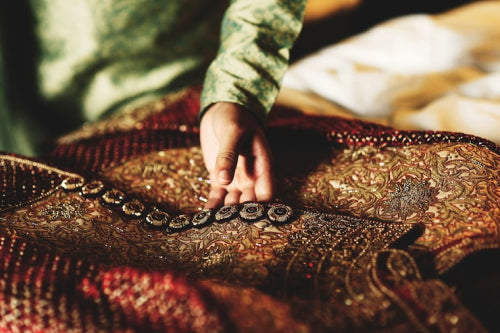
Handloom textiles are recognised not only for their visual appeal but also for the distinctive textures created through careful weaving techniques. Every thread placement, yarn choice, and loom movement influences the final character of the fabric. Unlike machine-made textiles designed for complete uniformity, handwoven fabrics often preserve the individuality of the artisan's process, creating surfaces that feel unique to the region, material, and method behind them.
Understanding handloom weaving techniques offers a deeper appreciation of why traditional fabrics carry such a strong sense of identity. From the structure of the weave to the interaction between natural fibres and skilled craftsmanship, texture becomes a record of human knowledge passed through generations. For those exploring Indian textiles, learning how these techniques work reveals why handwoven fabrics remain valued in contemporary fashion and design.
Fast fashion erodes cultural heritage, sidelining artisans and reducing traditions to trends. At IndieHaat, we champion India's craftspeople with handcrafted sarees, apparel, décor, and skincare rooted in authenticity. Each piece embodies skill and ethical care. Support artisans and preserve India's timeless legacy Shop Now !
The Connection Between Weaving Techniques and Fabric Texture
Fabric texture is shaped long before a textile becomes a finished garment. The choice of fibre, preparation of yarn, tension of the loom, and arrangement of threads all contribute to how a fabric looks and feels. In handloom production, these steps involve careful control by artisans who adjust their methods according to the material and desired outcome.
The basic structure of weaving depends on the relationship between warp and weft threads. The warp creates the foundation of the fabric, while the weft moves across it to build the surface. Variations in thread thickness, spacing, and weaving patterns can create textures ranging from smooth and delicate to structured and dimensional.
This interaction between technique and material explains why two fabrics made from similar fibres can feel completely different. A tightly woven textile may have a firm structure, while a more open weave can create softness and breathability. The texture is not added after production; it emerges from the process itself.
How Traditional Indian Handloom Weaving Creates Distinctive Fabrics
Traditional Indian handloom weaving represents a wide range of regional approaches, with artisans developing specialised methods suited to local materials, cultural preferences, and artistic expressions. Techniques such as brocade weaving, ikat, jamdani, and pit-loom weaving demonstrate how different approaches transform simple threads into textiles with recognisable patterns and textures.
Each technique creates its own visual language. Ikat, for example, involves preparing and dyeing yarns before weaving so that patterns appear through the alignment of coloured threads. Brocade weaving introduces decorative elements into the fabric structure, creating raised details and intricate surfaces. Jamdani weaving is known for its detailed motifs created through careful placement of additional threads.
These methods show that traditional Indian handloom weaving is not only about producing fabric but also about preserving knowledge. The finished textile reflects decisions made by the artisan at every stage, from selecting materials to managing the loom.
India's historical weaves demonstrate how specialised methods transform textiles into cultural expressions. Regional practices such as brocade, ikat, jamdani, and traditional loom techniques highlight the relationship between craftsmanship, material choices, and fabric identity. : contentReference[oaicite:0]{index=0}
The Role of Natural Fibres in Creating Unique Handwoven Textures
The materials used in handloom weaving have a major influence on the final texture of a textile. Natural fibres such as cotton, silk, and other plant-based or animal-based fibres each respond differently during weaving. Their natural characteristics affect softness, strength, drape, and appearance.
Silk, for instance, can create fabrics with a smooth surface and subtle shine, while cotton can produce textiles with a lighter and more breathable feel. The way fibres are processed and woven allows artisans to highlight these qualities rather than conceal them.
Traditional silk weaving practices also show how textiles are connected to their surrounding environments. Assam silk weaving traditions demonstrate how natural fibres, local resources, and artisan knowledge contribute to distinctive textile qualities. The character of these fabrics develops through the relationship between materials, ecological conditions, and skilled production methods. : contentReference[oaicite:1]{index=1}
Why Small Variations Make Handwoven Fabrics Special
One of the defining features of handwoven textiles is the presence of subtle variations. Slight differences in thread placement, tension, or surface detail are often viewed as evidence of craftsmanship rather than flaws.
In mass-produced fabrics, consistency is usually the primary goal. Handloom textiles follow a different philosophy, where the maker's involvement remains visible in the final piece. These variations create a sense of individuality and connect the wearer or user with the person who created the fabric.
For conscious consumers, this uniqueness adds meaning to the textile. A handwoven garment or home textile represents more than a finished product; it carries the techniques, traditions, and creative decisions behind its making.
The Growing Appreciation for Artisan Craftsmanship in Modern Fashion
Modern fashion conversations increasingly include questions about origin, craftsmanship, and responsible production. Consumers are becoming more interested in understanding how products are made and what makes them different from standardised alternatives.
This shift has created renewed interest in artisan-made textiles, where the making process itself becomes part of the value. Handloom fabrics offer designers and consumers an opportunity to explore textures that cannot always be replicated through automated production.
For brands focused on authentic handcrafted products, sharing the story behind weaving techniques helps audiences understand the skill involved in each creation. Education around craftsmanship allows customers to appreciate the relationship between traditional knowledge and contemporary design.
How Understanding Weaving Techniques Helps Textile Choices
Knowing how fabrics are created can help shoppers make more informed choices. Instead of selecting textiles based only on appearance, consumers can consider the technique, material, and craftsmanship involved.
- Weaving method: Different techniques create different patterns, structures, and textures.
- Fibre type: Natural fibres influence softness, durability, and fabric behaviour.
- Artisan process: Traditional methods often reflect regional knowledge and cultural heritage.
- Fabric purpose: Texture and structure affect how suitable a textile is for clothing, accessories, or home décor.
This understanding creates a stronger connection between consumers and handmade products. It also encourages appreciation for the time, skill, and cultural knowledge represented in each textile.
Preserving the Future of Handloom Traditions
Handloom weaving continues to remain relevant because it combines creativity, heritage, and material awareness. The techniques used by artisans represent generations of experimentation and adaptation, allowing traditional methods to continue evolving alongside modern preferences.
Supporting interest in handwoven textiles helps keep these skills visible and valued. When consumers understand the craftsmanship behind fabric textures, they are better able to recognise the difference between a textile made through careful human effort and one created only for uniform production.
Handloom weaving techniques create unique textures because they bring together materials, methods, and human expertise. Every woven surface reflects choices made throughout the process, from fibre selection to the final movement of the loom. By understanding these traditions, we can better appreciate the artistry behind Indian textiles and the craftsmanship that continues to shape their future.
Frequently Asked Questions
How do handloom weaving techniques create unique textures in fabrics?
Handloom weaving techniques create unique textures through the careful arrangement of warp and weft threads, yarn selection, loom tension, and weaving patterns. These processes allow artisans to create fabrics with different levels of softness, structure, and surface detail that reflect the craftsmanship behind each textile.
What are the different types of traditional Indian handloom weaving methods?
Traditional Indian handloom weaving methods include techniques such as ikat, brocade weaving, jamdani, and pit-loom weaving. Each method uses specialised approaches to transform threads into fabrics with distinctive patterns, textures, and cultural identities.
Why do handwoven fabrics have different textures compared to machine-made textiles?
Handwoven fabrics have different textures because artisans control elements such as fibre choice, thread placement, and weaving tension during production. Unlike machine-made textiles designed for uniformity, handloom fabrics preserve subtle variations that highlight the individuality of the artisan's process.
Disclaimer: The above helpful resources content contains personal opinions and experiences. The information provided is for general knowledge and does not constitute professional advice.
You may also be interested in: Handloom Storytelling Through Fabrics and Design
Fast fashion erodes cultural heritage, sidelining artisans and reducing traditions to trends. At IndieHaat, we champion India's craftspeople with handcrafted sarees, apparel, décor, and skincare rooted in authenticity. Each piece embodies skill and ethical care. Support artisans and preserve India's timeless legacy Shop Now !
Powered by flareAI.co