The Importance of Preserving Traditional Indian Crafts
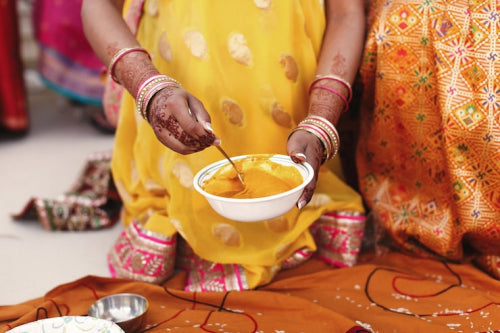
Traditional Indian crafts are more than handmade products; they are expressions of history, identity, and community knowledge passed through generations. From intricate textiles and embroidery to regional art forms and handcrafted home décor, these creations reflect the skills, environments, and stories of the people who make them. Preserving these traditions is not only about protecting techniques from the past. It is about ensuring that artisans can continue to practise, adapt, and share their craft with new audiences while keeping cultural knowledge alive.
Fast fashion erodes cultural heritage, sidelining artisans and reducing traditions to trends. At IndieHaat, we champion India's craftspeople with handcrafted sarees, apparel, décor, and skincare rooted in authenticity. Each piece embodies skill and ethical care. Support artisans and preserve India's timeless legacy Shop Now !
Why Traditional Indian Crafts Matter Beyond Their Beauty
Every handmade craft carries a connection between the maker, the material, and the cultural context in which it developed. Traditional Indian crafts often represent local histories, community practices, and specialised skills refined over many years. A handcrafted piece is not simply an object designed for use; it often reflects the imagination, patience, and expertise of an artisan.
The importance of preserving traditional Indian crafts lies in protecting these creative systems. When craft knowledge disappears, communities can lose valuable techniques, artistic languages, and connections to their heritage. Supporting these traditions helps ensure that younger generations can continue learning skills that have shaped regional identities for centuries.
Traditional crafts also encourage a different relationship between consumers and products. Instead of viewing items as disposable purchases, people can appreciate the craftsmanship, process, and cultural meaning behind each creation. This awareness is increasingly important as more consumers seek sustainable Indian handicrafts and products with authentic stories.
The Role of Artisans in Preserving Cultural Heritage
Artisans are at the centre of craft preservation. Their knowledge of materials, methods, and design traditions represents a living form of cultural heritage. Supporting artisans means recognising them not only as skilled makers but also as custodians of important creative traditions.
Preserving Indian cultural heritage requires creating conditions where artisans can continue their work with confidence. This includes access to better opportunities for visibility, fair market connections, and platforms where their skills can reach interested audiences. When artisans are able to earn sustainable livelihoods through their craft, traditional practices become more attractive career paths for future generations.
Craft preservation initiatives also show that tradition and innovation can exist together. Artisans can maintain the essence of their techniques while adapting designs, formats, and products to meet contemporary preferences. The ability to evolve is often what allows traditional crafts to remain meaningful in changing markets.
Government-supported craft promotion efforts have highlighted the importance of connecting traditional makers, designers, and consumers. These initiatives demonstrate how stronger storytelling and market access can help regional crafts, including textiles, embroidery, painting, and other art forms, remain relevant today. Craft heritage promotion efforts can help increase awareness while creating pathways for artisans to share their work with wider audiences.
Traditional Crafts as a Link Between Identity and Community
Indian handicrafts and cultural identity are closely connected. Many craft forms developed from the resources, traditions, and experiences of specific communities. The materials used, patterns created, and techniques followed often reflect local landscapes and social histories.
For many artisan communities, craft is also a way of preserving collective memory. Stories, symbols, and traditional knowledge are often passed from one generation to another through practice rather than written records. Protecting these crafts helps maintain these forms of knowledge and allows communities to continue expressing their unique identities.
Tribal and regional crafts offer particularly strong examples of this connection between culture and creativity. These art forms often reflect traditional knowledge systems, natural materials, and storytelling practices developed over generations. Supporting opportunities for tribal artisans helps preserve these practices while recognising their role as entrepreneurs and cultural contributors. Tribal craft entrepreneurship demonstrates how preservation can support both cultural continuity and community development.
How Sustainable Handmade Practices Support the Future of Crafts
The growing interest in sustainable living has encouraged many people to rethink how products are created, purchased, and valued. Handmade crafts naturally align with this shift because they often highlight careful production methods, skilled labour, and meaningful use of traditional techniques.
Sustainable Indian handicrafts represent more than an alternative to mass-produced goods. They offer consumers an opportunity to choose products connected to human creativity and cultural knowledge. Understanding the process behind a handmade item can create a stronger appreciation for the time and expertise involved.
However, sustainability in crafts also depends on supporting the people behind the products. Environmental responsibility and cultural preservation are closely connected because traditional practices survive when artisan communities have the resources and recognition needed to continue their work.
For consumers, choosing authentic handmade products can be a way to participate in preservation. Learning about artisans, understanding production methods, and valuing craftsmanship can help create demand for products that respect cultural traditions.
The Challenges Facing Traditional Indian Crafts
Traditional crafts face several challenges as consumer preferences and production systems continue to change. Mass-produced alternatives can make it difficult for handmade products to compete on price and availability. At the same time, younger members of artisan families may hesitate to continue traditional occupations if they do not see reliable opportunities.
Another challenge is maintaining authenticity while reaching modern audiences. Crafts must remain connected to their cultural roots while also responding to changing lifestyles, design preferences, and practical needs. Preservation does not mean keeping traditions unchanged; it means allowing them to survive in ways that respect their origins.
Greater awareness and responsible consumption can help address these challenges. When customers understand the effort behind handmade products, they are better able to appreciate the value of craftsmanship rather than comparing handmade creations only through price.
How Consumers Can Help Preserve Indian Crafts
Preserving traditional crafts is not limited to artisans, organisations, or policymakers. Consumers also play an important role through the choices they make. Buying handmade products, learning about craft traditions, and sharing artisan stories can contribute to keeping these practices visible and valued.
Conscious consumers can look beyond the finished product and consider the journey behind it. Questions about who created an item, which techniques were used, and what cultural story it represents can lead to more meaningful purchasing decisions.
Supporting curated platforms that highlight artisan-made products can also help bridge the gap between craftspeople and modern audiences. Marketplaces focused on authentic handmade goods can introduce consumers to traditional apparel, accessories, home décor, and other creations while helping preserve appreciation for skilled craftsmanship.
- Learn about the craft tradition behind a product before purchasing.
- Value handmade work for its skill, time, and cultural significance.
- Share artisan stories to increase awareness of traditional practices.
- Choose products that align with sustainable and ethical consumption values.
The Future of Traditional Indian Crafts in a Changing World
The future of traditional Indian crafts depends on balancing preservation with adaptation. Crafts that remain isolated from modern audiences may struggle to survive, while traditions that embrace thoughtful innovation can continue reaching new generations.
Digital platforms, storytelling, and improved access to consumers provide new opportunities for artisans to showcase their work. These tools can help connect craft communities with people who appreciate authenticity, sustainability, and cultural meaning.
The continued relevance of traditional crafts will depend on recognising artisans as creators, entrepreneurs, and keepers of cultural knowledge. When their skills are valued, traditions can continue evolving without losing the qualities that make them unique.
For brands and consumers interested in handmade products, preserving crafts is ultimately about preserving relationships: between makers and buyers, heritage and innovation, and past knowledge and future possibilities. Supporting traditional Indian crafts allows these stories, skills, and creative expressions to remain part of everyday life.
Why Traditional Indian Crafts Still Matter
The importance of preserving traditional Indian crafts goes beyond protecting artistic techniques. It involves supporting artisan communities, celebrating cultural identity, and encouraging more thoughtful approaches to consumption. Every handcrafted piece represents knowledge, creativity, and a connection to the people who keep these traditions alive. By recognising the value of handmade work and choosing products with meaningful origins, consumers can contribute to a future where India's diverse craft heritage continues to thrive.
Frequently Asked Questions
Why is it important to preserve traditional Indian crafts?
Preserving traditional Indian crafts helps protect cultural knowledge, artisan skills, and community identities that have developed over generations. It also allows future generations to continue learning these techniques while keeping India's diverse craft heritage connected to modern audiences.
How do artisans help in preserving Indian cultural heritage?
Artisans play a central role in preserving Indian cultural heritage by maintaining traditional methods, materials, and design practices. Supporting artisans through better visibility and market opportunities helps ensure that these skills continue to thrive and evolve.
How can consumers support the preservation of traditional Indian handicrafts?
Consumers can support traditional Indian handicrafts by choosing authentic handmade products, learning about artisan stories, and valuing the craftsmanship behind each creation. Conscious purchasing decisions help create demand for sustainable crafts and encourage the continuation of traditional practices.
Disclaimer: The above helpful resources content contains personal opinions and experiences. The information provided is for general knowledge and does not constitute professional advice.
You may also be interested in: How Linen Clothing Combines Comfort and Elegance
Fast fashion erodes cultural heritage, sidelining artisans and reducing traditions to trends. At IndieHaat, we champion India's craftspeople with handcrafted sarees, apparel, décor, and skincare rooted in authenticity. Each piece embodies skill and ethical care. Support artisans and preserve India's timeless legacy Shop Now !
Powered by flareAI.co