Indian Cultural Wear: Exploring Timeless Fashion Choices
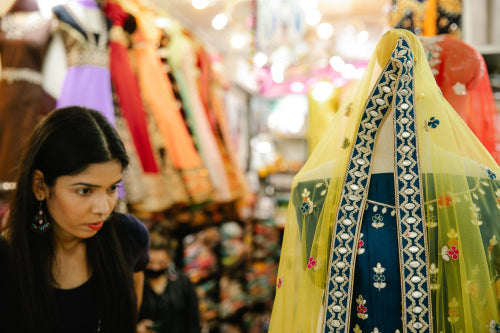
Indian cultural wear represents more than a way of dressing; it reflects stories, regional identities, craftsmanship, and personal expression. From graceful sarees and elegant kurtas to intricately designed lehengas and handwoven textiles, traditional Indian clothing continues to hold a meaningful place in everyday wardrobes and special occasions. While fashion trends change with time, cultural wear remains relevant because it connects people with heritage while allowing room for contemporary interpretation.
For those exploring Indian cultural wear, the appeal lies in the balance between tradition and individuality. Each garment carries elements of history, artistry, and skilled craftsmanship. Today, many fashion enthusiasts are looking beyond seasonal trends and exploring clothing choices that feel personal, authentic, and connected to cultural narratives.
Fast fashion erodes cultural heritage, sidelining artisans and reducing traditions to trends. At IndieHaat, we champion India's craftspeople with handcrafted sarees, apparel, décor, and skincare rooted in authenticity. Each piece embodies skill and ethical care. Support artisans and preserve India's timeless legacy Shop Now !
The Enduring Appeal of Traditional Indian Clothing
Traditional Indian clothing has remained influential because it adapts without losing its cultural foundation. The saree, kurta, salwar suit, and lehenga continue to evolve through new fabrics, silhouettes, and styling approaches while preserving their distinctive character.
The strength of these garments comes from their versatility. A saree can represent elegance at a formal celebration while also being styled in a more relaxed way for contemporary settings. A kurta can move easily between daily wear, festive occasions, and professional environments depending on its fabric, design, and accessories.
This ability to blend heritage with modern preferences has helped Indian ethnic fashion remain relevant for different generations. Younger audiences often approach traditional clothing as a form of creative expression, combining classic designs with modern cuts, minimal styling, and personal preferences.
The renewed interest in handloom textiles reflects a larger appreciation for authenticity, craftsmanship, and cultural storytelling within Indian fashion. Traditional fabrics such as Jamdani represent the deep connection between clothing and regional heritage, where every motif, weaving technique, and design element carries historical and artistic significance. As consumers increasingly look for distinctive garments rather than mass-produced fashion, handcrafted textiles are finding new relevance among modern audiences. These pieces are valued not only for their beauty but also for the skill, patience, and cultural knowledge required to create them. The revival of handloom fashion highlights how traditional clothing can adapt to contemporary wardrobes while preserving its original identity.
Younger buyers are increasingly interested in garments that have a story behind them, making heritage textiles an important part of sustainable and conscious fashion conversations. For Indian cultural wear, this movement reinforces the idea that timeless fashion is built on craftsmanship rather than short-lived trends. Handloom garments offer a connection to communities, artisans, and regional traditions, allowing wearers to celebrate culture through personal style. The growing visibility of these textiles demonstrates that traditional Indian clothing continues to evolve while maintaining the values and techniques that have defined it for generations. This shift is also reflected in discussions around handloom traditions making a comeback, highlighting how heritage textiles are gaining renewed appreciation among contemporary audiences.
Craftsmanship Behind Indian Heritage Clothing
One of the defining features of Indian heritage clothing is the craftsmanship behind each piece. Across different regions, artisans have developed specialised techniques involving weaving, embroidery, dyeing, printing, and decorative detailing. These skills give traditional garments their distinctive appearance and cultural value.
Handcrafted Indian textiles often represent a connection between communities, materials, and generations of knowledge. Techniques passed down through families and artisan groups contribute to the uniqueness of each textile, making handmade garments different from mass-produced alternatives.
For consumers, understanding the work behind a garment can change the way they view clothing. A handcrafted piece is not only a fashion choice but also a reflection of creativity, patience, and cultural preservation. This appreciation has encouraged more people to explore artisan-made apparel and learn about the traditions behind what they wear.
Regional Diversity in Indian Cultural Wear
India's clothing traditions are shaped by regional histories, climates, communities, and artistic practices. The diversity of Indian cultural wear can be seen in the variety of fabrics, drapes, patterns, and embroidery styles found across the country.
Each region contributes its own interpretation of traditional fashion. Some garments highlight intricate weaving techniques, while others are recognised for detailed embroidery, natural dyes, distinctive motifs, or unique methods of construction. This diversity allows Indian fashion to offer a wide range of styles while maintaining a strong connection to cultural identity.
Exploring these regional influences helps fashion enthusiasts understand that traditional clothing is not a single category. Instead, it is a collection of many artistic expressions, each carrying its own story and meaning.
How Modern Traditional Indian Outfits Are Evolving
Modern traditional Indian outfits demonstrate how cultural fashion can adapt to changing lifestyles. Designers and consumers are increasingly experimenting with combinations that preserve traditional elements while making garments easier to wear in contemporary settings.common examples include pairing classic textiles with modern silhouettes, choosing lighter versions of festive garments, or styling traditional pieces with minimal accessories. These approaches allow people to celebrate cultural fashion while maintaining comfort and practicality.
This evolution does not replace tradition; it creates new ways for people to engage with it. A younger generation may discover cultural clothing through updated designs before exploring the history and craftsmanship that inspired them.
Blending Heritage with Personal Style
Personal styling has become an important part of how people approach cultural wear. Instead of following a fixed idea of traditional dressing, many individuals now select colours, fabrics, and designs that reflect their personalities.
This shift has made ethnic fashion more accessible and expressive. Whether someone prefers understated elegance or detailed festive designs, traditional clothing offers opportunities for personal interpretation without losing its cultural connection.
Why Timeless Fashion Choices Matter Today
The growing interest in timeless fashion choices reflects a desire for clothing that carries meaning beyond appearance. Many consumers are becoming more thoughtful about what they buy, considering craftsmanship, durability, cultural value, and the story behind each item.
Indian cultural wear naturally aligns with this approach because many traditional garments are designed around quality materials, skilled techniques, and enduring aesthetics. Rather than being limited to a single season, these pieces can become valued parts of personal wardrobes.
Choosing culturally meaningful clothing can also create a stronger emotional connection between the wearer and the garment. A handcrafted dupatta, a woven saree, or an embroidered outfit may represent celebrations, family traditions, memories, or connections to a particular artistic heritage.
Indian Festive Wear Trends and Changing Consumer Preferences
Festive occasions continue to be important moments for cultural expression through clothing. Indian festive wear trends increasingly reflect a mix of traditional craftsmanship and modern styling preferences.
Many people are looking for garments that feel special while remaining comfortable and wearable. This has encouraged interest in versatile designs that can be styled in multiple ways rather than being used only once for a particular occasion.
Consumers are also paying closer attention to the origin and making of their clothing. Interest in artisan craftsmanship and handcrafted Indian textiles has created greater appreciation for products that highlight traditional skills and thoughtful production processes.
For brands and marketplaces focused on artisan-made products, this shift creates an opportunity to educate audiences about the value behind handmade fashion. Sharing the stories, techniques, and cultural context of garments helps consumers make more informed choices.
Choosing Indian Cultural Wear with Meaning
Selecting cultural clothing involves more than choosing a design that looks appealing. Understanding fabric, craftsmanship, occasion, and styling possibilities can help people find pieces that suit their needs and personal preferences.
- Craft technique: Learn about the weaving, embroidery, printing, or finishing methods used to create the garment.
- Fabric and comfort: Choose materials that match the occasion, climate, and preferred style of wear.
- Versatility: Look for pieces that can be styled in different ways across celebrations and gatherings.
- Cultural connection: Explore the heritage and stories associated with different textile traditions.
These considerations make cultural wear a more meaningful part of a wardrobe. Instead of viewing traditional fashion as occasional clothing alone, many people are discovering ways to incorporate heritage-inspired pieces into their everyday style.
The Continued Relevance of Indian Ethnic Fashion
Indian ethnic fashion continues to thrive because it combines visual beauty with cultural significance. Its appeal comes from the relationship between craftsmanship, identity, and evolving personal style.
As fashion conversations increasingly include authenticity, sustainability, and meaningful consumption, traditional clothing offers valuable lessons about creating garments with purpose. The focus is shifting from simply owning more clothes to appreciating the skill, history, and creativity represented by each piece.
For audiences interested in discovering authentic Indian handcrafted apparel and artisan-made products, cultural wear provides a pathway to explore the depth of India's creative traditions. A garment can be both a fashion statement and a connection to generations of craftsmanship.
Heritage textiles remain a powerful symbol of Indian cultural identity, with traditional garments such as Kanjeevaram sarees continuing to appeal to new generations of fashion enthusiasts. These garments represent more than luxury clothing because they carry centuries of weaving traditions, regional artistry, and family memories passed through generations. The renewed interest in Kanjeevaram sarees shows how younger consumers are rediscovering classic Indian craftsmanship while looking for meaningful pieces that combine elegance and cultural connection. Modern interpretations have also made these traditional garments more accessible by focusing on lighter fabrics, comfortable designs, and styling choices suitable for contemporary occasions. This balance between heritage and practicality has helped traditional Indian wear maintain its relevance in a rapidly changing fashion environment.
The popularity of handcrafted sarees also reflects a broader movement toward appreciating skilled artisans and understanding the value of slow, detailed craftsmanship. For readers exploring timeless Indian fashion choices, heritage textiles demonstrate why certain garments remain iconic despite changing trends. Their appeal comes from the combination of history, artistry, versatility, and emotional significance. Traditional wear continues to thrive because it allows individuals to express personal style while preserving connections to regional culture and generations of craftsmanship. The ongoing appeal of these garments is also explored through Kanjeevaram saree heritage revival, showing how classic textiles continue to connect younger audiences with cultural traditions.
Indian cultural wear remains timeless because it continues to evolve while staying rooted in heritage. From traditional Indian clothing passed through generations to modern traditional Indian outfits shaped by contemporary preferences, these fashion choices demonstrate how culture and creativity can exist together. Exploring these garments offers more than style inspiration; it provides a deeper appreciation for the artisans, techniques, and stories that make Indian fashion unique.
Frequently Asked Questions
What makes Indian cultural wear a timeless fashion choice?
Indian cultural wear remains timeless because it combines heritage, craftsmanship, and personal expression. Traditional garments like sarees, kurtas, and lehengas continue to evolve with modern styles while preserving their cultural identity and artistic value.
How is traditional Indian clothing adapting to modern fashion trends?
Modern traditional Indian outfits are evolving through contemporary silhouettes, lighter fabrics, and versatile styling options. These changes allow people to enjoy Indian ethnic fashion in comfortable and practical ways while staying connected to traditional designs.
Why are handcrafted Indian textiles important in cultural wear?
Handcrafted Indian textiles highlight the skill, creativity, and cultural knowledge of artisans across generations. Fabrics created through weaving, embroidery, and other traditional techniques offer unique designs and help preserve regional heritage through fashion.
Disclaimer: The above helpful resources content contains personal opinions and experiences. The information provided is for general knowledge and does not constitute professional advice.
You may also be interested in: Ensuring Intergenerational Knowledge Transfer in Handloom
Fast fashion erodes cultural heritage, sidelining artisans and reducing traditions to trends. At IndieHaat, we champion India's craftspeople with handcrafted sarees, apparel, décor, and skincare rooted in authenticity. Each piece embodies skill and ethical care. Support artisans and preserve India's timeless legacy Shop Now !
Powered by flareAI.co