Why Consumer Trust Is Transforming Indias Handmade Retail
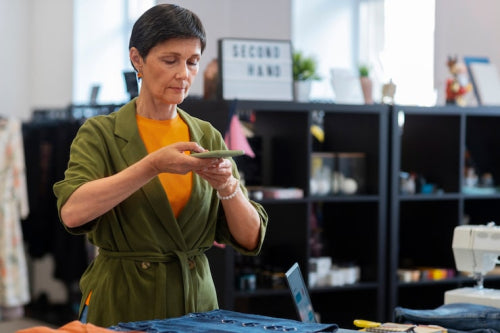
In an era dominated by mass production, India's handicraft sector is experiencing a renaissance, fueled by a growing consumer demand for authenticity and sustainability. Handwoven silk sarees, intricately carved wooden sculptures, and artisanal skincare products are no longer niche; they're becoming symbols of a global shift toward ethical consumption. At the heart of this transformation is IndieHaat, a Bangalore-based e-commerce platform that curates high-quality, handcrafted goods, empowering artisans and redefining retail trust across India, the US, Singapore, Australia, the UK, and the UAE.
Fast fashion erodes cultural heritage, sidelining artisans and reducing traditions to trends. At IndieHaat, we champion India's craftspeople with handcrafted sarees, apparel, décor, and skincare rooted in authenticity. Each piece embodies skill and ethical care. Support artisans and preserve India's timeless legacy Shop Now!
The Surge of India's Handicraft Market
The Indian handicraft industry is thriving, with its market size reaching USD 4,565.0 million in 2024 and projected to climb to USD 8,198.5 million by 2033, driven by a robust 6.39% CAGR from 2025 to 2033. This growth is propelled by rising disposable incomes, a global appetite for eco-friendly products, and the expansion of e-commerce platforms like Amazon and ONDC, where IndieHaat thrives. Government-backed export initiatives and increasing tourism further amplify the sector's momentum, while consumers worldwide seek sustainable alternatives to mass-produced goods. From North India's embroidered textiles to South India's pottery, the market spans diverse regions and product categories, including woodware, metal crafts, and zari goods.
IndieHaat's model aligns seamlessly with this trend. By directly sourcing from artisans and prioritizing pure fabrics like linen, silk, and cotton, the brand ensures authenticity and quality. This approach tackles a critical consumer concern: the trust deficit in online handicraft retail, where buyers often question the legitimacy of “handmade” claims. With over 70% of Indian shoppers prioritizing sustainability, IndieHaat's curated selection process resonates deeply, fostering confidence in ethically produced goods across its target markets.
The Power of Handmade in a Digital Era
Globally, consumers are gravitating toward products with a story, a trend that has elevated India's handicraft sector. Employing over seven million artisans, with more than 56% being women, the industry is a cornerstone of rural economies, as highlighted by IBEF. India's 744 handicraft clusters, from Surat's zari work to Varanasi's handprinted textiles, produce over 35,000 unique products, gaining traction in urban and international markets. E-commerce platforms have been pivotal, mirroring the success of global models like Etsy, which connect artisans directly with buyers seeking ethical, small-batch goods.
IndieHaat capitalizes on this shift, offering a curated range of apparel, accessories, and home décor that embody India's cultural heritage. However, challenges like high pricing often a barrier for buyers used to fast fashion and the inability to physically inspect products online persist. IndieHaat counters these through transparent sourcing, unique designs, and a strong social media presence on Instagram, Facebook, and YouTube. By showcasing artisan stories and production processes, the brand builds emotional connections, bridging the tactile gap and reinforcing trust.
E-Commerce: A Catalyst for Growth
India's handicraft market, valued at INR 4.2 billion, owes much of its growth to e-commerce, which has democratized access for artisans and brands alike. The rise of ONDC, with over 370,000 sellers, has enabled small-scale producers to reach global audiences, a strategy IndieHaat employs effectively. India's e-commerce market, valued at USD 125 billion in 2024, is expected to soar to USD 345 billion by 2030, fueled by 270 million online shoppers, 60% of whom hail from Tier II and III cities. This digital surge expands IndieHaat's domestic reach while amplifying its presence in international markets.
Competition, however, is intense. Instagram influencers like anilarubyraj and ani_lakshmi offer similar artisanal products, often at lower prices, challenging IndieHaat's premium positioning. The brand differentiates itself through direct artisan partnerships and a commitment to sustainability, aligning with government initiatives like export incentives and skill development programs. These efforts help IndieHaat maintain quality while scaling operations, ensuring artisans benefit from the e-commerce boom without compromising their craft.
Building Trust Amid Opportunities and Obstacles
IndieHaat's growth potential is vast, particularly in markets like the US and UK, where consumers value unique, story-driven purchases, and Singapore and Australia, where affluent buyers seek cultural authenticity. The UAE, a hub for luxury heritage goods, is especially promising for IndieHaat's zari textiles and artisanal skincare. The global shift toward sustainable products, as noted in a Kadence report, underscores the demand for ethical consumption, positioning IndieHaat as a leader in this space.
Yet, trust remains the cornerstone of success. High pricing and the lack of tactile interaction online deter some buyers, while competitor's broader social media reach poses a challenge. IndieHaat addresses these through rigorous quality checks, transparent sourcing, and compelling storytelling on Instagram and YouTube. To further localize offerings, partnerships with artisans in clusters like Lucknow or Chennai could tailor products to regional tastes, enhancing appeal in both domestic and international markets. Consistency in messaging and quality will be critical to scaling trust globally.
Preserving Heritage, Shaping the Future
India's handicraft market, a vibrant tapestry of tradition and innovation, is poised to reach USD 8.2 billion by 2033, with brands like IndieHaat leading the charge. By championing authenticity, sustainability, and direct artisan collaborations, IndieHaat does more than sell products it preserves cultural heritage and uplifts communities. The journey is not without obstacles; high costs and digital limitations require creative solutions. Yet, with e-commerce as a powerful ally and consumer trust as its foundation, IndieHaat is crafting a future where handmade artistry not only survives but thrives. In a world yearning for meaning, every purchase is a connection a vibrant thread in India's enduring creative legacy.
Frequently Asked Questions
What is driving the growth of India's handicraft market in 2024?
India's handicraft market reached USD 4,565 million in 2024 and is projected to grow to USD 8,198.5 million by 2033, driven by rising disposable incomes, increased consumer demand for sustainable products, and the expansion of e-commerce platforms. Government export initiatives and tourism growth are also fueling this momentum, with over 70% of Indian shoppers now prioritizing sustainability when making purchase decisions.
How do e-commerce platforms like IndieHaat build consumer trust in handmade products?
E-commerce platforms build trust through transparent sourcing practices, direct artisan partnerships, and rigorous quality checks that verify authentic handmade claims. Brands like IndieHaat also leverage social media storytelling on platforms like Instagram and YouTube to showcase artisan stories and production processes, creating emotional connections that bridge the gap of not being able to physically inspect products online.
Why are handmade products from India becoming popular in international markets?
International consumers in the US, UK, Singapore, Australia, and UAE are increasingly seeking unique, story-driven purchases that reflect cultural authenticity and ethical consumption. India's handicraft sector employs over 7 million artisans across 744 craft clusters, producing over 35,000 unique products ranging from handwoven silk sarees to artisanal skincare, offering global buyers sustainable alternatives to mass-produced goods with rich cultural heritage.
Disclaimer: The above helpful resources content contains personal opinions and experiences. The information provided is for general knowledge and does not constitute professional advice.
You may also be interested in: Why Consumers Are Turning to Handcrafted Products Over Mass
Fast fashion erodes cultural heritage, sidelining artisans and reducing traditions to trends. At IndieHaat, we champion India's craftspeople with handcrafted sarees, apparel, décor, and skincare rooted in authenticity. Each piece embodies skill and ethical care. Support artisans and preserve India's timeless legacy Shop Now!
Powered by flareAI.co