How Local Artisans Sustain the Handloom Saree Economy
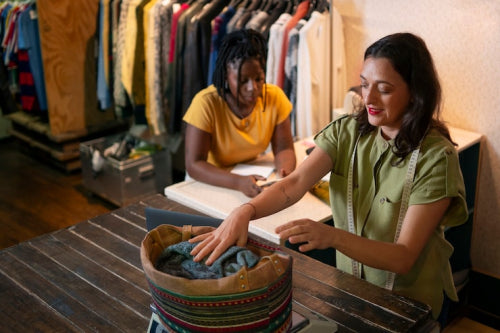
In a Varanasi workshop, the steady rhythm of a wooden loom echoes through the morning haze. A weaver, her fingers deft from years of mastery, crafts a Banarasi saree, each thread weaving India's rich heritage into a global narrative. This is the heartbeat of the handloom saree economy, a sector where artisans sustain cultural traditions while fueling economic growth. IndieHaat, a Bangalore-based e-commerce platform, connects these skilled craftspeople to discerning buyers worldwide, championing sustainable fashion and empowering rural communities.
Fast fashion erodes cultural heritage, sidelining artisans and reducing traditions to trends. At IndieHaat, we champion India's craftspeople with handcrafted sarees, apparel, décor, and skincare rooted in authenticity. Each piece embodies skill and ethical care. Support artisans and preserve India's timeless legacy Shop Now!
A Pillar of India's Rural Economy
The handloom industry stands as India's largest cottage industry, operating 2.8 million looms and providing livelihoods for 3.52 million people, making it the second-largest rural employer. The Fourth All India Handloom Census 2020 reveals that over 70% of weavers are women, preserving intricate techniques passed down through generations. From the shimmering Kanjeevaram silks of Tamil Nadu to the delicate Chanderi weaves of Madhya Pradesh, these artisans create sarees that embody regional identities. IndieHaat ensures these cultural treasures reach global markets, sourcing directly from weavers to maintain authenticity and fair compensation.
The Indian saree market, valued at USD 5.76 billion in 2024, is forecasted to grow to USD 10.33 billion by 2033, achieving a compound annual growth rate (CAGR) of 6.70%. This expansion is propelled by rising demand for eco-friendly handwoven sarees, bolstered by government programs like Geographical Indication tags and the Handloom Mark, which certify authenticity and support weaver communities. The surge in e-commerce, driven by AI-powered customization and virtual try-ons, enhances accessibility, while eco-conscious branding attracts younger buyers, amplifying the saree market's growth.
IndieHaat's Mission to Empower
IndieHaat distinguishes itself by curating handcrafted sarees made exclusively from pure linen, silk, and cotton, each piece vetted for quality and cultural resonance. This rigorous selection process addresses consumer concerns about trust and the inability to physically inspect products. High-resolution visuals, detailed artisan narratives, and emerging virtual try-on tools make online shopping immersive and reliable. By eliminating middlemen, IndieHaat ensures weavers receive equitable pay, transforming lives in rural hubs like Kanchipuram and Varanasi. Follow their Instagram stories to see artisans at work, crafting sarees that blend tradition with modern appeal.
Operating on platforms like Amazon and ONDC, IndieHaat reaches diverse markets, from India to the UAE. Its social media presence on Instagram, Facebook, and YouTube showcases unique designs, countering objections about high pricing by highlighting the value of artisanal labor and sustainable materials. For instance, a handwoven silk saree reflects hours of skilled craftsmanship, justifying its premium cost. By sharing weaver stories, IndieHaat fosters trust and emotional connection, turning buyers into advocates for sustainable fashion.
Global Demand for Handwoven Elegance
The global handloom sarees market, valued at USD 3.72 billion in 2024, is projected to reach USD 7.29 billion by 2032, with a CAGR of 8.99%. Asia Pacific commands a 68.82% share, led by India, but demand is rising in North America and Europe, driven by diaspora communities and eco-conscious consumers. In 2023, India's handloom exports reached USD 10.94 billion, with the US accounting for 29.4% of the market. IndieHaat targets key regions India, US, Singapore, Australia, UK, and UAE where buyers seek authentic, sustainable textiles. In Singapore, lightweight cotton sarees suit humid climates; in the UK, Banarasi silks elevate cultural events.
IndieHaat's storytelling resonates across these markets, detailing each saree's origin and eco-friendly dyes. In Australia, linen sarees align with a casual, sustainable ethos; in the UAE, opulent silks cater to luxury tastes. Social media influencers and Bollywood stars, often seen in handloom sarees at galas, amplify demand, making sustainability aspirational. By leveraging platforms like Instagram, IndieHaat transforms curiosity into purchases, fostering a global appreciation for India's artisanal heritage.
Navigating Industry Challenges
Despite its promise, the handloom sector faces obstacles. Artisanal weaving is time-intensive, limiting scalability compared to mechanized production. The shrinking pool of skilled weavers, as younger generations pursue urban opportunities, threatens traditional knowledge. IndieHaat counters these challenges by investing in artisan training and promoting contemporary designs that appeal to modern tastes, proving eco-friendly fashion can be vibrant. Consumer misconceptions some equate sustainable with plain require education, which IndieHaat addresses through bold, innovative styles showcased on its platform.
Government initiatives, such as the National Handloom Development Programme and yarn subsidies, strengthen the industry, but further investment in certifications like the Handloom Mark is crucial for credibility. IndieHaat's transparent supply chain, detailing sourcing and production, builds consumer trust, though scaling ethically remains complex. The broader handloom product market, valued at USD 8.87 billion in 2025, is expected to reach USD 19.69 billion by 2035, with sarees holding a 37.5% share, underscoring the sector's potential if challenges are addressed. Learn more about these trends at market insights.
Weaving a Sustainable Future
In that Varanasi workshop, the weaver completes her saree, a masterpiece destined for a wardrobe in Sydney or Dubai. IndieHaat's mission linking artisans to global buyers, preserving crafts, and promoting sustainability demonstrates how heritage can flourish in a modern era. The handloom saree economy, driven by millions of skilled artisans, is not merely enduring; it's shaping a future where tradition and innovation intertwine. Each handwoven saree purchased supports a weaver's livelihood, safeguards cultural legacy, and reduces the environmental toll of fast fashion. This is more than a garment it's a movement worth embracing.
Frequently Asked Questions
How does the handloom saree industry support rural employment in India?
The handloom industry operates 2.8 million looms and provides livelihoods for 3.52 million people, making it India's second-largest rural employer. Over 70% of weavers are women who preserve traditional techniques passed down through generations. Platforms like IndieHaat connect these artisans directly to global markets, ensuring fair compensation and eliminating middlemen who typically reduce weaver's earnings.
Why are handwoven sarees more expensive than machine-made alternatives?
Handwoven sarees reflect hours of skilled craftsmanship by master artisans who use traditional techniques to create unique pieces. Each saree is crafted from pure materials like linen, silk, or cotton using eco-friendly dyes, with intricate weaving patterns that cannot be replicated by machines. The premium pricing ensures artisans receive equitable pay for their labor while supporting sustainable fashion practices that reduce the environmental impact of fast fashion.
What is driving the global growth of the handloom saree market?
The global handloom sarees market is projected to grow from USD 3.72 billion in 2024 to USD 7.29 billion by 2032, driven by rising demand for sustainable and eco-friendly fashion. Younger consumers are increasingly drawn to authentic, handcrafted textiles, while government initiatives like Geographical Indication tags and the Handloom Mark certify quality and support weaver communities. E-commerce platforms enhanced with AI-powered customization and virtual try-ons have made these artisanal products more accessible to international buyers in markets like the US, UK, UAE, and Australia.
Disclaimer: The above helpful resources content contains personal opinions and experiences. The information provided is for general knowledge and does not constitute professional advice.
You may also be interested in: What Is Handloom Weaving? A Cultural and Economic Perspective
Fast fashion erodes cultural heritage, sidelining artisans and reducing traditions to trends. At IndieHaat, we champion India's craftspeople with handcrafted sarees, apparel, décor, and skincare rooted in authenticity. Each piece embodies skill and ethical care. Support artisans and preserve India's timeless legacy Shop Now!
Powered by flareAI.co