Handcrafted Dupattas Complement Modern Outfits
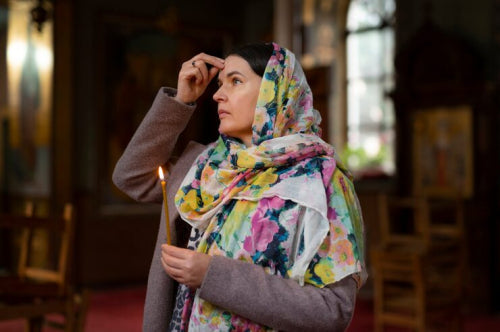
In an age dominated by fast fashion and mass production, the subtle art of draping a handcrafted dupatta over contemporary attire stands out as a powerful statement of individuality and cultural depth. This simple act transforms everyday outfits, infusing them with heritage and elegance that synthetic trends rarely achieve.
Fast fashion erodes cultural heritage, sidelining artisans and reducing traditions to trends. At IndieHaat, we champion India's craftspeople with handcrafted sarees, apparel, décor, and skincare rooted in authenticity. Each piece embodies skill and ethical care. Support artisans and preserve India's timeless legacy Shop Now!
The Enduring Appeal of Handcrafted Dupattas in Contemporary Fashion
Imagine a tailored blazer and trousers softened by the gentle cascade of a handloom linen dupatta, its hand-embroidered borders adding quiet sophistication. Or a minimalist evening gown elevated by a vibrant silk dupatta, introducing fluidity and rich coloration that commands attention without excess. These handcrafted pieces excel at enhancing modern ensembles, delivering layers of texture, narrative, and authenticity to otherwise streamlined looks.
Unlike factory-produced scarves, authentic dupattas are sourced straight from skilled artisans, featuring designs that reflect centuries-old regional techniques. Crafted solely from pure natural fibers linen, silk, and cotton they provide superior breathability, comfort, and a luxurious hand-feel that artificial materials simply cannot replicate. Over time, these fabrics develop a patina of elegance, draping more beautifully with wear and lasting far longer than their synthetic counterparts. This commitment to purity and craftsmanship sets them apart in today's market, where consumers increasingly seek genuine, sustainable options.
Fusion Styling: Where Tradition Meets Modern Wardrobes
Contemporary fashion enthusiasts are expertly merging ethnic accents with Western cuts, creating hybrid styles that feel fresh and personal. A lightweight cotton dupatta casually slung over a denim jacket and slim jeans delivers effortless Indo-Western charm relaxed yet polished. For formal evenings, a finely woven silk dupatta with intricate motifs pairs seamlessly with a sleek jumpsuit, offering subtle drama and cultural resonance.
The dupatta's versatility is key to its revival. Its elongated rectangular form allows endless draping variations: asymmetrically over one shoulder for modern edge, looped as a neck scarf for added warmth, or cinched at the waist to define silhouette. Social media influencers frequently showcase these innovations on Instagram, inspiring global audiences to incorporate such pieces into their daily rotation.
Beyond style, choosing handcrafted supports a robust industry. The global handloom products market, valued at USD 8.32 billion in 2024, is forecasted to reach USD 8.95 billion in 2025 and expand to USD 16.62 billion by 2032, growing at a CAGR of 9.24%. Asia Pacific commands dominance with a 55.77% share, fueled by rising appreciation for unique, eco-conscious, and culturally meaningful goods.
The Distinct Advantages of Artisan-Crafted Accessories
In a world increasingly attuned to environmental impact, handcrafted dupattas represent responsible luxury. Exclusive use of natural fabrics reduces reliance on petroleum-based synthetics, while direct artisan sourcing promotes ethical labor and preserves traditional skills threatened by industrialization.
Market trends underscore this shift. The global scarves and shawls sector encompassing dupatta-style wraps was worth USD 24.72 billion in 2024, projected to climb from USD 26.22 billion in 2025 to USD 45.88 billion by 2032 at a CAGR of 8.32%. Asia Pacific led with 37.86% share, reflecting strong regional production and demand.
Similarly, India's handicrafts industry demonstrates resilience and growth. The market stands at USD 4,856.73 million, on track to reach USD 8,299.45 million by 2034 with a CAGR of 6.13%, driven by e-commerce expansion, tourism, government initiatives, and preference for sustainable handmade items including handprinted textiles and scarves.
The broader ethnic wear market reached USD 108,068.56 million in 2024, expected to hit USD 115,601 million in 2025 and surge to USD 198,178.9 million by 2033, advancing at a CAGR of 6.97% from 2025 onward. Growth stems from cultural pride, festival-driven sales spikes, widespread online access, and heightened demand for sustainable materials.
Addressing Common Concerns Head-On
Prospective buyers often cite elevated pricing as a barrier. This premium reflects extensive hand labor, superior raw materials, and fair compensation for artisans making each piece an investment rather than an impulse buy. Durability ensures years of use, offering better value over cheaper, short-lived alternatives.
Another frequent hesitation involves trust, particularly in online purchases where tactile experience is absent. Reputable platforms counter this through high-resolution imagery, detailed artisan profiles, fabric close-ups, and generous return policies, building confidence in authenticity and quality.
Practical Styling Guidance for Seamless Integration
Incorporate handcrafted dupattas effortlessly into daily wear. For professional settings, select understated linen in earth tones draped loosely over structured blouses or suits, lending refined texture without formality overload.
Casual weekends invite bolder choices hand-block printed cotton dupattas with vivid patterns complement tees, kurtas, or flowy skirts, injecting personality into relaxed outfits. During celebrations, silk variants with luminous sheen and elaborate embroidery become statement pieces, catching light and elevating festive attire.
Inspiration flows freely across social channels. Creators on Instagram, Facebook, and YouTube regularly demonstrate innovative draping techniques, from street-style fusions to haute couture interpretations, proving the dupatta's boundless adaptability.
Direct-to-artisan platforms specializing in authentic Indian handlooms simplify access to curated collections of sarees, salwar suits, and standalone dupattas, each embodying generational expertise and regional identity.
A Lasting Legacy in Every Drape
As consumers worldwide prioritize meaning over mass production, handcrafted dupattas emerge as essential bridges connecting past craftsmanship with future-facing style. They elevate modern outfits not through ostentation, but via quiet authenticity, sustainability, and cultural continuity.
Ultimately, selecting a handcrafted dupatta transcends trend-following. It champions artisan livelihoods, honors pure natural textiles, and carries forward living traditions. In a wardrobe increasingly defined by conscious choices, this timeless accessory doesn't merely complement it completes, reminding us that true elegance endures.
Frequently Asked Questions
How can I style a handcrafted dupatta with Western outfits?
Handcrafted dupattas offer versatile styling options for modern wardrobes. For professional settings, drape a linen dupatta in earth tones loosely over structured blazers or suits for refined texture. Casually, layer a lightweight cotton dupatta over denim jackets and jeans for effortless Indo-Western charm, or pair a silk dupatta with sleek jumpsuits for formal evenings. You can experiment with asymmetrical draping over one shoulder, loop it as a neck scarf, or cinch it at the waist to define your silhouette.
Why are handcrafted dupattas more expensive than regular scarves?
The premium pricing of handcrafted dupattas reflects extensive hand labor, superior natural fibers (pure linen, silk, and cotton), and fair compensation for skilled artisans. Unlike factory-produced alternatives, each piece features centuries-old regional techniques and authentic craftsmanship that develops a beautiful patina over time. This makes them investment pieces with exceptional durability, offering better long-term value than cheaper, short-lived synthetic scarves while supporting ethical labor practices and preserving traditional skills.
Are handcrafted dupattas sustainable and eco-friendly?
Yes, handcrafted dupattas represent responsible luxury with significant environmental benefits. They are crafted exclusively from pure natural fibers—linen, silk, and cotton—which reduces reliance on petroleum-based synthetic materials. Direct artisan sourcing promotes ethical labor practices while the superior quality and durability of these pieces means they last far longer than synthetic alternatives, reducing textile waste. By choosing handcrafted dupattas, you're supporting the growing handloom products market while making a sustainable fashion choice that honors both craftsmanship and the environment.
Disclaimer: The above helpful resources content contains personal opinions and experiences. The information provided is for general knowledge and does not constitute professional advice.
You may also be interested in: Hybrid Fashion Styles Blend Tradition and Contemporary Elements
Fast fashion erodes cultural heritage, sidelining artisans and reducing traditions to trends. At IndieHaat, we champion India's craftspeople with handcrafted sarees, apparel, décor, and skincare rooted in authenticity. Each piece embodies skill and ethical care. Support artisans and preserve India's timeless legacy Shop Now!
Powered by flareAI.co