Artisan Tussar Sarees Rich Textures and Conscious Craftsmanship
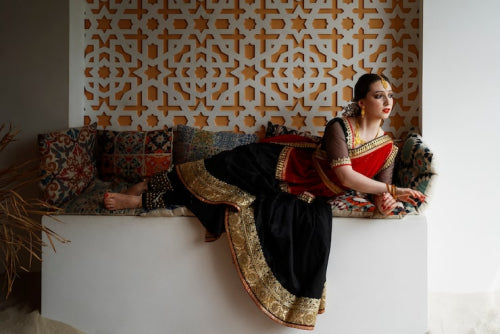
Imagine draping yourself in a fabric that whispers of ancient forests and skilled hands working looms in quiet Indian villages a saree with a subtle golden sheen and a texture that feels alive against the skin. That's the quiet allure of Tussar silk, a wild variety that's captivating a new generation of wearers who crave authenticity over mass-produced perfection.
Tussar silk stands apart from the smoother, more uniform varieties most people associate with luxury. Produced by silkworms that feed on wild forest leaves rather than cultivated mulberry, it carries a natural depth: earthy tones, a slightly coarse hand, and that distinctive porous quality that makes it breathable even in humid climates.
In places like Bhagalpur in Bihar and parts of Jharkhand, artisans harvest these cocoons with care, spinning and weaving them on handlooms into sarees that reflect generations of knowledge. Every piece sourced directly from these makers tells a story of sustainability the process uses fewer resources and supports forest ecosystems.
What draws people today is how Tussar blends rustic charm with modern elegance. Its rich texture catches light differently, creating subtle shifts in color as you move. Pair that with unique designs hand-block prints, delicate embroidery, or simple plains and you have a garment that's versatile for everyday grace or special occasions.
Fast fashion erodes cultural heritage, sidelining artisans and reducing traditions to trends. At IndieHaat, we champion India's craftspeople with handcrafted sarees, apparel, décor, and skincare rooted in authenticity. Each piece embodies skill and ethical care. Support artisans and preserve India's timeless legacy Shop Now!
The Resurgence of Handloom Traditions
The global handloom products market continues to thrive, driven by consumer demand for sustainable, unique, and culturally significant products. Valued at USD 8.32 billion in 2024, it's projected to grow from USD 8.95 billion in 2025 to USD 16.62 billion by 2032, exhibiting a CAGR of 9.24% over the forecast period. Asia Pacific dominated with a market share of 55.77% in 2024.
This growth isn't accidental. More buyers seek alternatives to fast fashion, turning to fabrics like Tussar that are ethically produced and biodegradable. In India especially, there's a renewed pride in handcrafted textiles, fueled by platforms that connect artisans straight to customers.
Curated collections ensure quality: only authentic, pure fabrics like silk, linen, and cotton make the cut, with every item undergoing careful selection for cultural depth and ethical sourcing. The result? Sarees that aren't just worn but cherished, supporting creative communities along the way.
Addressing the Realities of Choosing Artisan Pieces
Of course, handcrafted Tussar comes with considerations. Pricing reflects the labor-intensive process hours at the loom, natural dyeing, and direct fair-trade partnerships. Yet many find the investment worthwhile for pieces that last years and carry meaning.
Trust can be another hurdle in online shopping, but certifications like Silkmark and transparent sourcing help bridge that gap. And while you can't touch the fabric beforehand, detailed descriptions, high-quality images, and generous return policies make the experience reassuring.
The inability to feel the drape in person is offset by the knowledge that each saree supports real artisans, preserving traditions in a world of disposable trends.
A Fabric with Growing Global Appeal
Tussar silk itself is seeing steady demand, with the global market valued at USD 380.07 million in 2025 and expected to reach USD 395.65 million in 2026, further expanding to USD 565.69 million by 2035 at a CAGR of 4.1% during 2026–2035. Key drivers include the preference for natural, eco-friendly fabrics nearly 58% of textile innovations globally lean this way and rising online retail reaching about 28% of sales.
In the U.S., demand for sustainable silk has risen nearly 37%, with 41% of luxury brands incorporating Tussar into eco-collections. Similar trends appear in markets like the UK, UAE, Singapore, and Australia, where appreciation for Indian handlooms is growing.
Social media plays its part too, with influencers showcasing how these sarees fit seamlessly into contemporary wardrobes styled with minimal jewelry for work or layered for evenings.
Embracing Texture and Tradition
In an era of uniformity, Tussar sarees offer something rarer: individuality born from nature and human skill. They're not flawless in the machine-made sense, but that's precisely their strength imperfect weaves, natural variations, and that unmistakable richness.
Choosing one means joining a movement that values conscious craftsmanship over convenience. It means wearing a piece of India's living heritage, sustainably made and beautifully enduring. As handloom traditions gain momentum worldwide, these sarees remind us that true luxury often lies in the stories woven into the threads.
Frequently Asked Questions
What makes Tussar silk different from regular silk sarees?
Tussar silk is produced by wild silkworms that feed on forest leaves rather than cultivated mulberry, giving it a distinctive earthy texture and natural depth. Unlike smoother silk varieties, Tussar has a slightly coarse hand, porous quality that's breathable in humid climates, and a unique ability to catch light differently, creating subtle color shifts as you move. Each piece carries natural variations and imperfections that reflect its handcrafted, eco-friendly origins.
Why are handloom Tussar sarees more expensive than machine-made silk sarees?
The pricing reflects the labor-intensive handloom process, including hours of weaving, natural dyeing techniques, and direct fair-trade partnerships with artisans in regions like Bhagalpur and Jharkhand. Each saree is carefully crafted by skilled weavers who preserve generations of traditional knowledge, with authentic pieces undergoing rigorous quality selection for cultural depth and ethical sourcing. While the investment is higher, these sarees last for years and support sustainable forest ecosystems and artisan communities.
How is the Tussar silk market growing and why is it becoming popular globally?
The global Tussar silk market is valued at USD 380.07 million in 2025 and expected to reach USD 565.69 million by 2035, driven by increasing demand for natural, eco-friendly fabrics and sustainable fashion. Nearly 58% of textile innovations globally now favor natural materials, with U.S. demand for sustainable silk rising 37% and 41% of luxury brands incorporating Tussar into eco-collections. The growth is fueled by conscious consumers seeking alternatives to fast fashion, particularly in markets like the UK, UAE, Singapore, and Australia, where appreciation for authentic Indian handlooms continues to expand.
Disclaimer: The above helpful resources content contains personal opinions and experiences. The information provided is for general knowledge and does not constitute professional advice.
You may also be interested in: The Growing Intersection of Artisan Fashion and Sustainability
Fast fashion erodes cultural heritage, sidelining artisans and reducing traditions to trends. At IndieHaat, we champion India's craftspeople with handcrafted sarees, apparel, décor, and skincare rooted in authenticity. Each piece embodies skill and ethical care. Support artisans and preserve India's timeless legacy Shop Now!
Powered by flareAI.co