How Designers Integrate Traditional Handloom Into Modern Apparel
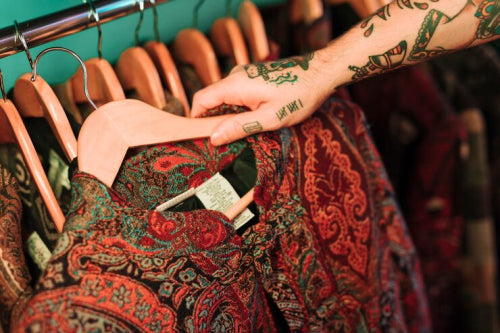
In the bustling lanes of Varanasi and the artisan clusters of Kutch, something remarkable is unfolding. Traditional handloom weaves, once largely reserved for festive sarees and dhotis, are now gracefully making their way into everyday urban wardrobes and international fashion collections. This fusion of heritage and modernity captures the essence of Weaving Heritage into Modern Fashion, where designers thoughtfully blend time-honoured handloom techniques with contemporary apparel to create pieces that resonate with today's discerning consumers.
Fast fashion erodes cultural heritage, sidelining artisans and reducing traditions to trends. At IndieHaat, we champion India's craftspeople with handcrafted sarees, apparel, décor, and skincare rooted in authenticity. Each piece embodies skill and ethical care. Support artisans and preserve India's timeless legacy Shop Now!
Bridging Centuries of Craft with Modern Wardrobe Demands
Indian handloom represents far more than mere fabric. It embodies a living tradition of exceptional skill, tight-knit communities, and rich cultural narratives. The sector provides livelihoods to over 3.5 million weavers and artisans across the country, with a significant majority being women in rural areas, making it a vital source of empowerment and economic resilience after agriculture.
Designers across India and in key international markets are rediscovering these artisanal treasures. They transform handwoven textiles into apparel that honours cultural roots while meeting the practical needs of modern life. This revival stems from a genuine consumer desire for clothing that feels authentic, sustainable, and deeply personal in an era dominated by mass-produced uniformity.
The Growing Preference for Sustainable and Culturally Authentic Fashion
Shoppers in India's vibrant metropolitan cities from Mumbai's Bandra to Bengaluru's Indiranagar and Delhi's Hauz Khas are increasingly moving away from fast fashion's impersonal offerings. They seek garments that support local economies, respect environmental boundaries, and celebrate India's diverse textile heritage. Handloom perfectly aligns with these values.
Artisans rely on natural fibres and traditional dyeing processes refined over generations. The resulting fabrics possess an organic character that improves with time and wear, offering breathability suited to India's varied climates while minimising ecological footprint. Government support for handloom clusters has further enabled weavers to refine their craft and reach wider audiences, encouraging bold creative experimentation by fashion houses.
Key Trends Defining Handloom's Role in Contemporary Apparel
Today's designers are reinterpreting traditional weaves through innovative silhouettes and practical applications. Ikat patterns from Odisha now grace structured blazers and flowing dresses suitable for both office and evening wear. Khadi, long cherished for its rustic charm, appears in tailored shirts, lightweight jackets, and fusion separates that transition effortlessly from day to night.
Digital technologies assist without diminishing the artisan's hand. Pattern scaling tools help adapt intricate motifs to modern cuts, yet the actual weaving remains a deeply human process. This balanced approach maintains the soul of handloom while making it more wearable for daily use. Natural dyes, derived from plants and minerals, continue to gain favour, producing rich hues that evolve beautifully and appeal to eco-conscious buyers.
Cross-Border Collaborations Elevating Indian Handloom Globally
Indian handloom fabrics are crossing borders with growing confidence. Designers in the US and UK source them for ethically crafted collections that attract buyers who value provenance and responsible production. In Singapore and the UAE, luxury clients appreciate the exclusivity of limited pieces featuring Banarasi brocades or delicate Chanderi weaves. Australian designers have also formed meaningful partnerships, emphasising the strong sustainability narrative that connects with environmentally aware markets.
Inspiring Examples from Leading Designers and Brands
Renowned Indian designers such as Anita Dongre and Ritu Kumar have pioneered the integration of handloom into contemporary fashion. Dongre frequently incorporates Ikat and handwoven cottons into versatile separates ideal for professional environments and casual outings alike. Ritu Kumar masterfully elevates traditional techniques, producing fusion garments that respect heritage while embracing clean, modern lines.
Meanwhile, boutique labels in the United States collaborate directly with Indian artisan groups, ensuring fair compensation and distinctive designs. These partnerships yield small-batch collections rich in storytelling. In Singapore, local creators blend handloom elements into resort wear and formal attire, demonstrating remarkable versatility across different lifestyles and weather conditions.
Navigating Challenges While Unlocking New Opportunities
Handloom production, by its very nature, involves intensive craftsmanship that presents scaling challenges. Many skilled weavers work in remote regions where access to evolving design trends and consistent market linkages can be limited. Progressive brands are responding by investing in training programmes, year-round order commitments, and direct artisan partnerships that build stability and creativity.
The real opportunity lies in authentic storytelling. When buyers understand the months of dedication behind each handloom garment, their appreciation deepens significantly. Platforms dedicated to handcrafted goods play a crucial role in connecting conscious consumers with genuine pieces, fostering greater respect for the human effort and cultural knowledge involved.
Practical Ways Consumers Can Incorporate Handloom Daily
- Begin with accessories: A beautifully woven stole or scarf adds instant elegance to both traditional and western ensembles.
- Choose versatile staples: Opt for shirts, dresses, or trousers in breathable handloom fabrics that suit India's diverse seasons and occasions.
- Prioritise transparency: Support brands that openly share artisan journeys and production processes.
- Master the mix: Combine handloom tops with contemporary denim, tailored trousers, or minimal accessories for effortless everyday style.
This thoughtful integration allows heritage to become part of daily life without requiring dramatic wardrobe changes. Each piece carries subtle, unique variations in weave and texture that distinguish it as truly one-of-a-kind.
The Promising Future of Handloom in Indian Fashion
Young designers emerging from India's premier fashion institutes are increasingly drawn to collaborations with traditional weavers. They create collections that feel proudly rooted in Indian identity while remaining relevant on the global stage. This new generation recognises that genuine luxury now encompasses ethical practices, cultural depth, and masterful craftsmanship.
While the movement naturally extends into home textiles and accessories, apparel offers the most intimate and visible way to express these values. Choosing handloom allows consumers to actively participate in safeguarding a living cultural legacy while enjoying garments that grow more characterful with use.
Why Handloom Matters in Today's Fashion Landscape
At a time when mass production and rapid trend cycles dominate, handloom serves as a powerful counterpoint. It encourages slower, more considered consumption and reconnects fashion with people and place. For Indian consumers balancing global influences with local pride, these garments offer a meaningful avenue to express identity with confidence and substance.
The thoughtful integration of traditional handloom into contemporary apparel transcends mere design trends. It stands as a celebration of resilience, creativity, and enduring cultural continuity. As more designers and consumers embrace this path, the distinctive rhythm of the handloom continues to weave not only beautiful fabrics, but also a more conscious and culturally rich future for fashion in India and beyond.
“The most beautiful aspect of handloom is that no two pieces are ever exactly alike. That individuality is precisely what today's consumers seek in a world filled with uniformity.”
The next time you select a special garment, pause to consider the rich story woven into its threads. By choosing handloom, we do more than purchase clothing we become active participants in a tradition that has adorned India for centuries and now finds vibrant new expressions for the generations ahead.
Frequently Asked Questions
How are Indian designers incorporating traditional handloom techniques into modern clothing?
Indian designers are reimagining handloom fabrics through contemporary silhouettes for example, Odisha's Ikat patterns now appear in structured blazers and flowing dresses, while Khadi is being tailored into lightweight jackets and fusion separates. Designers like Anita Dongre and Ritu Kumar lead this movement, blending handwoven cottons and traditional weaves with clean, modern lines suitable for both professional and casual settings. Digital pattern-scaling tools help adapt intricate motifs to modern cuts, while preserving the handwoven process that gives each piece its unique character.
Why is handloom fabric considered a sustainable and eco-friendly fashion choice?
Handloom fabrics are crafted using natural fibres and traditional dyeing methods refined over generations, resulting in breathable, low-impact textiles that minimise ecological footprint. Natural dyes derived from plants and minerals produce rich, evolving hues that appeal to eco-conscious consumers, and the fabrics themselves improve in character with time and wear. Choosing handloom also directly supports over 3.5 million weavers and artisans across India the majority of whom are women in rural areas making it both an environmentally and socially responsible choice.
How can everyday consumers start wearing handloom in their daily wardrobe?
The easiest entry point is through accessories a handwoven stole or scarf instantly elevates both traditional and western outfits without requiring a full wardrobe overhaul. From there, versatile staples like handloom shirts, dresses, or trousers work well across India's varied climates and occasions, and can be effortlessly mixed with contemporary denim or tailored trousers. Shoppers are also encouraged to support brands that practice transparency by openly sharing artisan stories and ethical production processes, ensuring their purchase contributes to preserving India's living textile heritage.
Disclaimer: The above helpful resources content contains personal opinions and experiences. The information provided is for general knowledge and does not constitute professional advice.
You may also be interested in: Sustainable Products: A Shift Towards Environmentally Conscious Consumerism
Fast fashion erodes cultural heritage, sidelining artisans and reducing traditions to trends. At IndieHaat, we champion India's craftspeople with handcrafted sarees, apparel, décor, and skincare rooted in authenticity. Each piece embodies skill and ethical care. Support artisans and preserve India's timeless legacy Shop Now!
Powered by flareAI.co