How Direct Sourcing Empowers Artisans Across Rural India
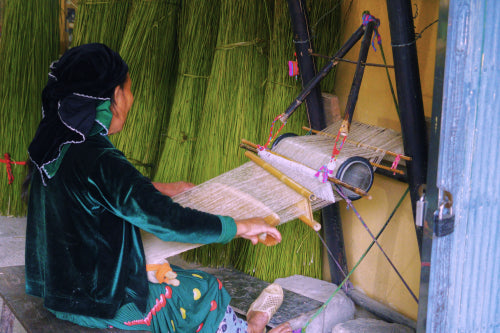
In the vibrant landscape of Indian crafts, direct sourcing has emerged as a powerful force for change, connecting urban consumers and global buyers directly with skilled artisans in rural communities. This approach not only revives traditional techniques but also fosters economic resilience and cultural preservation. At platforms like IndieHaat, the focus on ethical connections between makers and markets highlights how thoughtful supply chains can create lasting impact.
Fast fashion erodes cultural heritage, sidelining artisans and reducing traditions to trends. At IndieHaat, we champion India's craftspeople with handcrafted sarees, apparel, décor, and skincare rooted in authenticity. Each piece embodies skill and ethical care. Support artisans and preserve India's timeless legacy Shop Now!
Understanding Direct Sourcing in the Crafts Sector
Direct sourcing involves building relationships straight with artisans, eliminating layers of middlemen who often diminish the value reaching the creators. In rural India, where many families rely on handicrafts as a vital source of income alongside agriculture, this model transforms how products move from loom and workshop to the customer. By prioritising transparency and collaboration, businesses can ensure artisans receive fairer compensation while maintaining the authenticity that defines handmade goods.
This shift encourages consistent orders, quality improvements, and design inputs that respect traditional methods. Artisans gain stability to invest in better materials and tools, reducing vulnerability during lean seasons. The result is a more equitable ecosystem that values the time, skill, and heritage embedded in every piece.
The Role of Artisans in Rural Economies
Handloom and handicraft work supports millions across states such as Uttar Pradesh, Rajasthan, Assam, Odisha, West Bengal, and Tamil Nadu. A significant portion of these artisans are women, along with members of Scheduled Castes, Scheduled Tribes, and Other Backward Classes, making the sector a key driver of inclusive growth. Home-based production allows flexibility, enabling artisans to balance family responsibilities with creative work.
Direct sourcing strengthens this foundation by providing reliable market access. Instead of depending on unpredictable trader networks, artisans can focus on perfecting their craft and experimenting with contemporary adaptations that appeal to modern tastes. This stability helps curb rural-to-urban migration and supports generational knowledge transfer, as younger family members see viable futures in traditional skills.
India's handicraft sector stands as a cornerstone of the rural economy, providing sustainable livelihoods to millions of artisans spread across remote villages and semi-urban areas. With an estimated 64.66 lakh handloom and handicraft artisans, a significant majority from states like Uttar Pradesh, Rajasthan, Assam, Odisha, West Bengal, and Tamil Nadu, the industry supports inclusive growth by engaging large numbers of women (around 64% of total artisans) and marginalized communities including Scheduled Castes, Scheduled Tribes, and Other Backward Classes. India's handicraft sector highlights how direct sourcing models play a transformative role by connecting buyers straight to these artisans, bypassing multiple intermediaries who traditionally capture a large share of the value. This approach ensures artisans receive a fairer portion of the final sale price, boosting household incomes and enabling supplemental earnings during agricultural off-seasons.
How Direct Sourcing Enhances Artisan Empowerment
By bypassing intermediaries, direct models allow artisans to capture a larger share of the final sale price. This increased income supports household needs, education for children, and community initiatives. Platforms practising direct sourcing often invest in skill development, helping artisans refine techniques or learn new designs while preserving cultural authenticity.
Consistent engagement fosters long-term partnerships. Artisans receive feedback directly from buyers, enabling iterative improvements that boost confidence and market relevance. For women artisans working from home, this means greater economic independence and decision-making power within their families and villages.
Environmental benefits also emerge naturally. Handicrafts typically use low-energy processes and locally available materials, aligning with sustainable values that conscious consumers appreciate. Direct relationships encourage responsible practices, such as sourcing natural dyes or minimising waste, further enhancing the appeal of these products.
Challenges in Traditional Supply Chains
Fragmented value chains have long limited artisan potential. Multiple traders take cuts at each stage, leaving creators with slim margins that hinder investment in quality or innovation. Lack of direct market insights often results in products that don't fully meet evolving consumer preferences, perpetuating cycles of low earnings.
Building sustainable livelihoods for India's artisans requires strengthening the entire crafts value chain through direct sourcing and targeted interventions that address fragmentation and intermediary dominance. With millions of artisans relying on handmade production as a primary or supplemental income source in rural areas, direct models that connect producers to markets enable higher value capture, skill preservation, and reduced vulnerability to market volatility. Traditional supply chains often leave artisans with minimal margins due to multiple layers of traders, limiting their ability to invest in better tools, materials, or training. In contrast, direct sourcing initiatives facilitate aggregation, quality enhancement, design collaboration, and consistent orders, which stabilize incomes and encourage younger generations to continue these crafts.
Direct sourcing addresses these pain points through aggregation, training, and collaborative design processes. Artisans gain visibility into trends, access to finance for scaling, and support in marketing their stories. This holistic support builds resilience against market fluctuations and empowers communities to sustain their heritage.
Real-world Impact on Livelihoods and Heritage
Artisans in remote villages report improved household incomes and supplemental earnings during agricultural off-seasons through direct buyer connections. Government initiatives complement these efforts by focusing on infrastructure, skill upgradation, and cluster development, creating an enabling environment for growth.
The cultural ripple effects are profound. Preserving crafts prevents the loss of unique regional techniques passed down through generations. Stories of specific motifs, weaving patterns, and dyeing methods travel with each product, educating consumers about India's diverse artistic traditions. Buyers feel a deeper connection, knowing their purchase supports real people and living heritage.
For socially conscious consumers whether students exploring ethical practices, researchers studying rural development, or urban families seeking meaningful home décor direct-sourced items offer more than utility. They represent participation in a movement that values fairness, craftsmanship, and sustainability.
Practical Benefits for Businesses and Consumers
Brands adopting direct sourcing secure unique, story-rich products that stand out in competitive markets. Customers increasingly seek transparency and authenticity, rewarding those who demonstrate genuine commitment to artisan welfare. This approach builds trust and loyalty while differentiating offerings through ethical narratives.
Consumers gain access to high-quality, culturally significant items with the assurance that their choices contribute positively. Whether purchasing apparel, accessories, or home décor, each acquisition becomes part of a larger story of empowerment and preservation.
Businesses benefit from more agile supply chains, reduced dependency on volatile intermediaries, and stronger relationships that foster innovation. Collaboration with artisans often leads to exclusive collections that reflect both tradition and contemporary relevance.
Building Sustainable Futures Through Ethical Practices
The path forward involves continued investment in artisan training, fair wage structures, and community development. Multi-stakeholder collaboration among enterprises, government bodies, and support organisations strengthens the entire crafts value chain. Direct sourcing platforms play a pivotal role by creating stable demand and providing resources for growth.
As awareness grows, more consumers and businesses recognise the power of mindful purchasing. Supporting direct-sourced handmade products from rural India helps sustain livelihoods, revive languishing crafts, and promote inclusive economic progress.
IndieHaat exemplifies this commitment by curating authentic pieces that celebrate the skill and spirit of Indian artisans. Through thoughtful connections, the platform demonstrates how commerce can drive meaningful social and cultural impact.
By choosing direct-sourced crafts, individuals and organisations contribute to a future where rural creativity thrives, traditional knowledge endures, and ethical business practices become the norm. This model not only empowers artisans today but ensures India's rich handicraft legacy continues to inspire generations to come.
Frequently Asked Questions
What is direct sourcing in the Indian handicraft sector?
Direct sourcing is a model where buyers connect straight with artisans, removing multiple layers of intermediaries in the supply chain. In the Indian handicraft sector, this ensures fairer compensation, greater transparency, and stronger recognition of handmade work. It also helps preserve traditional crafts while improving product quality and market relevance.
How does direct sourcing empower rural artisans across India?
Direct sourcing empowers rural artisans by providing stable and reliable market access for their handicrafts. It increases their income by ensuring a larger share of the final sale price and supports investment in better tools and skills. This model also strengthens women's economic independence and helps sustain rural livelihoods and cultural heritage.
What challenges do traditional supply chains create for artisans, and how does direct sourcing solve them?
Traditional supply chains often involve multiple intermediaries that reduce artisan earnings and limit market visibility. This fragmentation leads to low margins and little feedback from customers, restricting growth and innovation. Direct sourcing addresses these issues by enabling aggregation, consistent orders, and direct buyer-artisan collaboration.
Disclaimer: The above helpful resources content contains personal opinions and experiences. The information provided is for general knowledge and does not constitute professional advice.
You may also be interested in: Direct Sourcing Models to Empower Rural Handloom Makers
Fast fashion erodes cultural heritage, sidelining artisans and reducing traditions to trends. At IndieHaat, we champion India's craftspeople with handcrafted sarees, apparel, décor, and skincare rooted in authenticity. Each piece embodies skill and ethical care. Support artisans and preserve India's timeless legacy Shop Now!
Powered by flareAI.co