The Role of Handloom in Celebrating India's Festivals
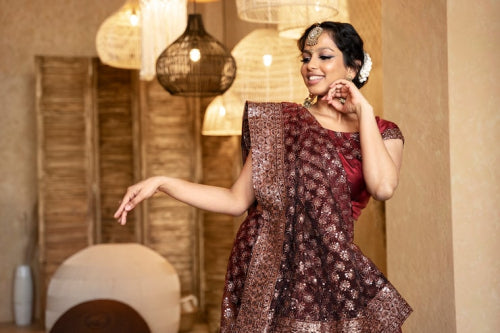
In the vibrant tapestry of India's festivals, few elements capture the spirit of celebration quite like handloom textiles. As families gather for Diwali illuminations, Durga Puja pandals glow with devotion, or Pongal harvests bring communities together, handloom fabrics tell stories of heritage, craftsmanship, and cultural continuity. Handloom Heritage goes beyond mere clothing it connects generations, supports artisans, and adds authentic depth to festive moments across India and its global diaspora.
Fast fashion erodes cultural heritage, sidelining artisans and reducing traditions to trends. At IndieHaat, we champion India's craftspeople with handcrafted sarees, apparel, décor, and skincare rooted in authenticity. Each piece embodies skill and ethical care. Support artisans and preserve India's timeless legacy Shop Now!
Weaving Culture into Celebration
Handloom has long served as a cultural cornerstone in India, where every thread carries the rhythm of tradition. Unlike mass-produced fabrics, handloom pieces bear the unique imprint of human hands slight variations in weave that make each sari, stole, or kurta truly one of a kind. During festivals, this authenticity shines brightest, turning ordinary moments into cherished traditions.
Consider Diwali, when homes sparkle with new beginnings. Families often choose handloom silk or cotton for puja attire, symbolising purity and prosperity. In West Bengal, Durga Puja sees artisans crafting intricate dhak drapes and idol decorations using traditional looms. Eid celebrations feature flowing handloom kurtas in soft pastels, while Tamil Nadu's Pongal brings out vibrant handloom lungis and sarees in harvest hues. These choices are not merely decorative; they reinforce identity and community bonds across regions.
For the Indian diaspora in the United States, Singapore, Australia, UK, and UAE, handloom offers a tangible link to roots. Rising interest in ethnic wear and sustainable fashion has made authentic Indian textiles increasingly sought after for festive gatherings and cultural events abroad.
The Living Legacy of Handloom
Handloom weaving is more than an occupation it is a way of life preserved through generations. Artisans in clusters like Varanasi, Kanchipuram, and Maheshwar pass down techniques that date back centuries. These skills create fabrics with superior breathability, texture, and character that machine-made alternatives often struggle to match.
What makes handloom special during festivals is its ability to blend tradition with personal expression. A Banarasi brocade sari for a wedding during Navratri or a subtle Ikat kurta for Holi carries both historical weight and contemporary style. This versatility explains why younger designers are returning to these roots, reinterpreting classical patterns for modern wardrobes while keeping the soul of the craft alive.
Emerging Trends Shaping Festive Handloom
Today's handloom scene reflects a thoughtful revival. Young Indian designers are rediscovering traditional techniques while experimenting with contemporary silhouettes. This fusion appeals to urban professionals seeking garments that honour heritage without sacrificing comfort or style for busy festival schedules.
Global fashion markets have also embraced Indian handloom. From runway shows in New York and London to boutique displays in Dubai and Singapore, these textiles gain recognition for their quality and compelling stories. Cultural exchange programmes in Singapore and the UAE frequently highlight Indian handloom during Diwali and Holi events, creating meaningful connections between communities.
Government initiatives play a supportive role. The Handloom Mark Scheme and efforts by the Ministry of Textiles help promote festival-specific collections, ensuring artisans receive recognition and fair opportunities. Digital marketplaces have further transformed access, allowing weavers to reach customers directly across India and internationally.
Sustainability and Conscious Celebration
Modern festival shoppers increasingly seek fabrics that align with environmental values. Handloom, often produced using natural fibres and dyes, fits perfectly into this shift. The preference for organic cotton, vegetable dyes, and low-impact processes reflects growing awareness about the true cost of fast fashion.
Linen and similar natural fibres complement this movement beautifully. Consumers are drawn to such materials for their eco-friendly properties, comfort in India's varied climates, and timeless appeal during festive seasons. Performance-enhanced linen with improved wrinkle resistance, moisture absorption, and antimicrobial properties is making these fabrics even more practical for busy celebrations. The integration of advanced technologies, such as digital printing and 3D weaving, is creating exciting new possibilities for linen fabric design and functionality.
Brands and artisans alike are responding to this demand by expanding offerings in home textiles, fashion, and related categories, focusing on premium and luxury experiences that celebrate natural beauty.
Real-World Impact: Artisans and Communities
In Varanasi and Kolkata, collaborations between craft clusters and platforms like IndieHaat bring festive saris, stoles, and home textiles to wider audiences. These partnerships help preserve weaving traditions while providing economic stability to artisan families, allowing skills to flourish for future generations.
Indian diaspora retailers in the US and UK create vibrant displays during Diwali and Navratri fairs, introducing handloom to new generations. In Singapore, cultural festivals integrate handloom exhibitions, allowing participants to appreciate the craftsmanship firsthand and often purchase pieces that become cherished family heirlooms.
These real connections matter deeply. When you choose handloom for a festival, you support skilled hands, sustain rural economies, and participate in cultural preservation all while wearing or gifting something truly special.
Practical Ways to Incorporate Handloom This Festival Season
Integrating handloom into celebrations need not be overwhelming. Start with accessories: a handwoven stole over a simple outfit instantly elevates the look for any occasion. For home decor, consider handloom table runners, cushion covers, or curtains that add warmth and authenticity to festive spaces.
- Pair a lightweight handloom kurta with contemporary bottoms for comfortable yet elegant family gatherings.
- Use handloom dupattas and stoles as versatile styling pieces that transition seamlessly from puja to evening events.
- Select handwoven bed linen or cushion fabrics for a cohesive, festive home transformation.
Families can make it meaningful by visiting local haats or online artisan platforms together to select pieces. Many weavers now share the stories behind their creations, turning shopping into an educational and bonding experience for children and elders alike.
For those abroad, curated collections focusing on lightweight, versatile handloom items work wonderfully for both intimate gatherings and larger community events. Mixing traditional handloom with contemporary fusion wear creates looks that feel both rooted and relevant.
Overcoming Common Challenges with Handloom
Some hesitate over perceived care requirements or higher initial costs. Yet with proper guidance, handloom fabrics often prove more durable and comfortable over time. Many modern pieces incorporate practical improvements while retaining their authentic soul and breathability.
Another misconception is limited availability. Digital platforms have significantly expanded access, with options for every budget and preference. The key is seeking verified artisan sources that ensure authenticity and fair trade practices, building trust in every purchase.
Handloom as Cultural Bridge and Economic Force
Beyond aesthetics, handloom serves as a powerful bridge. It connects urban India with rural craft communities, links the diaspora to its heritage, and introduces international audiences to India's rich textile legacy. Each festival season becomes an opportunity to celebrate not just rituals but the living artisans who make them possible.
As preferences shift toward mindful consumption, handloom stands out as a thoughtful choice. It offers more than fabric it delivers meaning, supports livelihoods, and creates memories woven into every thread. This approach strengthens local economies and preserves invaluable cultural knowledge.
Celebrating with Intention This Festive Season
This festival season, consider how your choices can honour tradition while embracing the future. Handloom represents the best of both worlds: time-tested craftsmanship meeting contemporary needs for comfort, style, and sustainability. Whether draping a new sari for Diwali or adorning your home with handwoven accents for Pongal, these textiles transform celebrations into deeper cultural experiences.
The true beauty lies in the hands that weave, the stories they tell, and the communities they sustain. By choosing handloom, we participate in a legacy far richer than any single festival a continuous thread of Indian heritage that binds past, present, and future in beautiful harmony. Platforms dedicated to authentic crafts make it easier than ever to be part of this meaningful story.
Frequently Asked Questions
Why is handloom fabric traditionally preferred for Indian festival celebrations like Diwali and Durga Puja?
Handloom fabric is favored during Indian festivals because each piece carries the unique imprint of human craftsmanship, making it a symbol of authenticity and cultural identity. Families often choose handloom silk or cotton for puja attire as it represents purity and prosperity. Beyond aesthetics, wearing handloom during festivals reinforces community bonds and connects generations to India's rich textile heritage.
How does choosing handloom clothing support Indian artisans and rural communities?
Purchasing handloom directly supports skilled weavers in clusters like Varanasi, Kanchipuram, and Maheshwar, helping preserve centuries-old techniques that might otherwise be lost. These artisan communities depend on festival-season demand for economic stability, allowing weaving traditions to be passed down to future generations. Platforms dedicated to authentic handloom crafts also ensure fair trade practices, strengthening rural economies alongside cultural preservation.
Is handloom a sustainable and eco-friendly choice for festive fashion?
Yes handloom is widely considered one of the most sustainable options in festive fashion, as it is typically produced using natural fibres, organic cotton, and vegetable dyes with minimal environmental impact. Compared to fast fashion, handloom's low-impact production process aligns with growing consumer awareness about responsible consumption. Modern innovations like improved wrinkle resistance and moisture absorption are also making handloom more practical for busy festival schedules without compromising its eco-friendly character.
Disclaimer: The above helpful resources content contains personal opinions and experiences. The information provided is for general knowledge and does not constitute professional advice.
You may also be interested in: Jute: The Golden Fibre of India
Fast fashion erodes cultural heritage, sidelining artisans and reducing traditions to trends. At IndieHaat, we champion India's craftspeople with handcrafted sarees, apparel, décor, and skincare rooted in authenticity. Each piece embodies skill and ethical care. Support artisans and preserve India's timeless legacy Shop Now!
Powered by flareAI.co