The Role of Handcrafted Products in Preserving Indian Cultural Heritage
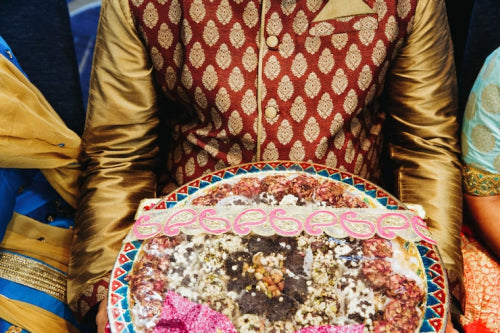
Handcrafted products occupy a distinctive place in India's cultural landscape, where everyday objects often carry stories of region, identity, and generational knowledge. Far from being ornamental or purely decorative, handmade crafts represent a living continuity of traditions that have evolved over centuries. Each textile weave, carved motif, or painted surface reflects not only artistic expression but also the social and cultural fabric of the communities that create them. In an era of mass production, these handcrafted forms remain essential in preserving cultural memory while offering meaningful economic and creative livelihoods to artisan communities.
Fast fashion erodes cultural heritage, sidelining artisans and reducing traditions to trends. At IndieHaat, we champion India's craftspeople with handcrafted sarees, apparel, décor, and skincare rooted in authenticity. Each piece embodies skill and ethical care. Support artisans and preserve India's timeless legacy Shop Now!
Cultural Memory Embedded in Handicrafts
Handmade crafts serve as tangible expressions of cultural memory, preserving techniques, symbols, and narratives that define regional identities. Unlike machine-produced goods, handcrafted items often carry subtle imperfections that reflect human touch, making each piece unique and culturally significant. This individuality ensures that traditions are not reduced to standardized outputs but remain living, evolving practices.
Organizations dedicated to craft preservation have long emphasized this cultural continuity. The Crafts Council of India initiatives highlights how traditional crafts such as Kanchipuram weaving and Madhubani painting are sustained through skill transfer, exhibitions, artisan support, and long-term cultural advocacy. Their work focuses on keeping craft traditions economically viable while ensuring that artisans remain connected to evolving markets and contemporary audiences. By facilitating collaborations, recognition programs, and direct engagement with maker communities, they help preserve crafts not as static artifacts but as living traditions embedded in everyday life. This approach reinforces the idea that handcrafted goods are not merely products, but enduring cultural narratives carried forward by skilled communities across generations.
For consumers, engaging with handcrafted goods becomes a way of participating in cultural preservation. Every purchase supports not just an artisan but an entire lineage of knowledge that might otherwise fade under the pressures of industrialization and changing consumption patterns.
Artisan Ecosystems and Living Heritage
The handcrafted ecosystem in India is deeply interconnected with rural livelihoods and community-based knowledge systems. Artisan clusters function as living repositories of techniques passed down through generations, often within families or tightly knit communities. These ecosystems sustain both cultural identity and economic stability.
According to government-supported research, India's handicraft sector includes an estimated artisan population scale of 64.66 lakh individuals engaged in handloom and handicrafts. This extensive workforce reflects the sector's deep integration into rural and semi-urban economies, where craft production remains a primary source of livelihood for many households, especially among women and marginalized groups.
India's handicraft sector stands as a cornerstone of both economic vitality in rural areas and the preservation of the nation's diverse cultural traditions. With an estimated 64.66 lakh handloom and handicraft artisans, many of whom are women from marginalized communities, the industry provides crucial livelihoods while passing down generational skills that embody regional identities, techniques, and stories. From GI-tagged products to over 455 classified craft categories, handcrafted items reflect India's artistic heritage through intricate processes that machines cannot replicate, offering unique aesthetic and cultural value. Government initiatives like the National Handicraft Development Programme support cluster development, skill training, and market access, ensuring that traditional crafts remain viable amid modernization. This sector not only boosts exports but also reinforces cultural continuity by sustaining artisan communities who serve as living repositories of heritage. By choosing handcrafted products, consumers actively contribute to safeguarding these traditions, empowering artisans, and maintaining the rich tapestry of Indian culture against the pressures of mass production and urbanization through India's handicraft sector.
The same body of research also identifies more than 455 classified craft categories across the country, underscoring the immense diversity of techniques, materials, and regional styles. These crafts are not static relics but dynamic practices that continue to evolve while maintaining their cultural foundations.
Support systems such as skill development programs, cluster-based initiatives, and market access interventions play a crucial role in ensuring that these artisan ecosystems remain viable. Without such support, many traditional crafts risk disappearing as younger generations migrate toward alternative employment opportunities.
Regional Craft Traditions and Identity
India's craft traditions are deeply tied to geography, climate, and cultural history. From desert weaving techniques in western regions to intricate textile traditions in southern India, each craft reflects the lived realities of its environment. Materials, motifs, and methods often emerge from local resources and cultural narratives, making each craft a marker of regional identity.
For example, handloom textiles often incorporate symbolic motifs inspired by mythology, nature, and community life. These patterns are not arbitrary; they encode stories, beliefs, and historical influences that have been preserved over time. Similarly, terracotta, metalwork, and woodcraft traditions reflect local ecological conditions and available resources.
Such diversity ensures that handcrafted products act as cultural identifiers. They allow communities to express identity while also contributing to a broader national narrative of artistic richness. In this sense, crafts become a bridge between the local and the collective, preserving distinct traditions within a shared cultural framework.
Sustainability and Slow Consumption
Handcrafted products naturally align with principles of sustainability and mindful consumption. Unlike mass-produced goods, handmade items typically involve lower energy consumption, locally sourced materials, and minimal waste production. This makes them relevant in conversations around responsible production systems and environmental awareness.
Beyond environmental considerations, handcrafted goods encourage a shift in consumer behavior toward valuing quality, durability, and emotional connection over disposability. Each product carries the time, effort, and expertise of its maker, fostering a deeper appreciation for the production process.
This approach to consumption also strengthens local economies. When consumers choose handmade products, they contribute directly to artisan livelihoods, reinforcing circular economic models that benefit communities rather than distant manufacturing hubs. Over time, this supports the continuity of traditional skills while encouraging innovation within craft practices.
Global Appreciation of Indian Handicrafts
Indian handicrafts have gained recognition in international markets for their craftsmanship, aesthetic value, and cultural depth. From textiles and home décor to accessories and art pieces, handcrafted goods are increasingly appreciated by global audiences seeking authenticity and cultural connection.
This growing appreciation is not limited to aesthetics alone. It reflects a broader interest in ethical consumption, cultural storytelling, and sustainable production. Buyers are increasingly drawn to products that carry meaning beyond functionality, and handcrafted items fulfill this demand by offering narratives rooted in tradition and human skill.
As awareness expands, Indian crafts continue to find relevance across diverse cultural contexts. Their adaptability allows them to integrate into contemporary design while retaining their traditional essence, ensuring they remain both culturally significant and commercially viable.
The Role of Platforms Like Indiehaat
Digital marketplaces have become essential in bridging the gap between artisans and global consumers. Platforms like Indiehaat play a crucial role in making handcrafted goods more accessible while ensuring that artisans receive fair recognition for their work.
By curating authentic products directly from craftspeople, such platforms help preserve traditional knowledge systems while adapting them to modern commerce. This model reduces intermediaries, allowing artisans to retain a greater share of value while also reaching wider audiences.
In addition, curated platforms help educate consumers about the cultural significance of crafts. By providing context around materials, techniques, and regional origins, they transform purchasing into an informed cultural exchange rather than a transactional act. This strengthens the visibility of artisan communities and reinforces the importance of preserving cultural heritage through sustainable commerce.
Preserving the Future of Craft Heritage
The preservation of handcrafted traditions depends on a combination of cultural awareness, economic support, and evolving market access. As younger generations explore new career paths, ensuring the continuity of craft knowledge requires making these traditions economically viable and culturally relevant.
Efforts by institutions, artisan networks, and digital platforms collectively contribute to this goal by sustaining demand, promoting skill development, and encouraging innovation within traditional frameworks. When crafts are integrated into contemporary lifestyles, they gain renewed relevance without losing their historical essence.
Ultimately, handcrafted products represent more than objects; they are carriers of identity, memory, and resilience. Preserving them is not only about safeguarding tradition but also about nurturing a living cultural ecosystem that continues to evolve while staying rooted in heritage.
Frequently Asked Questions
What is direct sourcing in the Indian handicraft sector?
Direct sourcing is a model where buyers connect straight with artisans, removing multiple layers of intermediaries in the supply chain. In the Indian handicraft sector, this ensures fairer compensation, greater transparency, and stronger recognition of handmade work. It also helps preserve traditional crafts while improving product quality and market relevance.
How does direct sourcing empower rural artisans across India?
Direct sourcing empowers rural artisans by providing stable and reliable market access for their handicrafts. It increases their income by ensuring a larger share of the final sale price and supports investment in better tools and skills. This model also strengthens women's economic independence and helps sustain rural livelihoods and cultural heritage.
What challenges do traditional supply chains create for artisans, and how does direct sourcing solve them?
Traditional supply chains often involve multiple intermediaries that reduce artisan earnings and limit market visibility. This fragmentation leads to low margins and little feedback from customers, restricting growth and innovation. Direct sourcing addresses these issues by enabling aggregation, consistent orders, and direct buyer-artisan collaboration.
Disclaimer: The above helpful resources content contains personal opinions and experiences. The information provided is for general knowledge and does not constitute professional advice.
You may also be interested in: The Significance of Handcrafted Fabrics in Preserving Indias Cultural
Fast fashion erodes cultural heritage, sidelining artisans and reducing traditions to trends. At IndieHaat, we champion India's craftspeople with handcrafted sarees, apparel, décor, and skincare rooted in authenticity. Each piece embodies skill and ethical care. Support artisans and preserve India's timeless legacy Shop Now!
Powered by flareAI.co