Crafting Modern Wardrobes With Heritage Fabrics
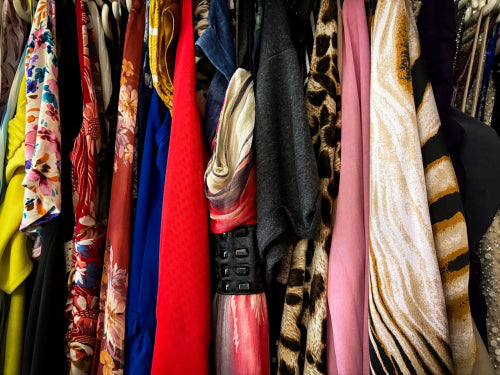
In the bustling lanes of Varanasi and the design studios of Mumbai, a quiet revolution is unfolding. Designers and consumers alike are rediscovering the rich textures of India's heritage fabrics, weaving them seamlessly into modern wardrobes that honour tradition while embracing contemporary style. This thoughtful return to roots feels refreshingly relevant today, especially as more people seek clothing that carries meaning beyond mere appearance.
Fast fashion erodes cultural heritage, sidelining artisans and reducing traditions to trends. At IndieHaat, we champion India's craftspeople with handcrafted sarees, apparel, décor, and skincare rooted in authenticity. Each piece embodies skill and ethical care. Support artisans and preserve India's timeless legacy Shop Now!
Weaving Heritage into Modern Fashion
Across India and among the Indian diaspora in the US, Singapore, Australia, UK, and UAE, appreciation grows for garments that tell a story. Heritage fabrics such as handloom khadi, ikat, jamdani, and naturally dyed cottons have stepped beyond festive wear and village looms. They now feature in everyday shirts, elegant kurtas, sharp blazers, and fusion gowns that command attention at fashion events worldwide.
This resurgence arises from a deeper yearning for authenticity amid fast fashion. People desire pieces that feel personal, responsible, and culturally connected. The time-honoured techniques of Indian artisans deliver precisely that exceptional durability, natural breathability, and a distinctive character that sets them apart from uniform machine-made alternatives. A Bengaluru tech professional opting for a khadi shirt for the office or a Dubai-based executive teaming an ikat jacket with modern trousers demonstrates the effortless balance these fabrics achieve between heritage and modernity.
Emerging Trends Shaping Heritage Fashion
Handloom and natural-dye textiles enjoy a vibrant revival across India. Designers in Singapore and the UAE integrate these materials into premium collections, while meaningful collaborations between Indian artisans and international brands in the US, UK, and Australia elevate traditional crafts onto the global stage.
Limited-edition heritage collections now appear regularly at fashion weeks in Mumbai, New York, London, and Dubai. Online marketplaces have broadened access, enabling enthusiasts to discover rare weaves and support artisans directly. This shift creates a welcome democratisation of luxury exclusive yet inclusive, allowing more people to participate in preserving living traditions.
Younger designers experiment boldly, blending ancestral weaves with contemporary silhouettes. The result is clothing that respects history while speaking to present-day lifestyles, from corporate settings to creative weekends.
Why Heritage Fabrics Appeal to Today's Conscious Consumer
Modern shoppers in urban India and global Indian communities increasingly choose clothing that aligns with personal values. Heritage fabrics naturally support sustainable practices through organic or recycled materials, reduced chemical use, and strengthened local economies. Consumers seek versatility for business wear, casual outings, and special occasions.
A handloom cotton kurta moves smoothly from a Diwali celebration to a relaxed Friday at work. Ikat jackets complement denim or formal trousers with ease, offering endless styling options. This adaptability matters greatly. Rather than chasing fleeting trends, people now favour timeless pieces that improve with age and restyling across seasons.
The emotional connection runs deeper too. Wearing heritage fabrics creates a sense of continuity linking the wearer to generations of skilled craftspeople and India's rich textile legacy.
The Cultural and Economic Impact on Artisans
Reviving heritage fabrics extends far beyond aesthetics. It sustains livelihoods. When designers commit to handloom and traditional methods, they generate meaningful opportunities for skilled artisans from the weavers of Maheshwar to the natural dyers of Rajasthan. These partnerships help preserve endangered crafts while offering fair income and dignity to communities that have nurtured these traditions for centuries.
Many forward-thinking brands adopt circular principles upcycling deadstock fabrics, employing natural dyes, and encouraging customers to repair and treasure garments longer. Such approaches minimise waste and foster stronger bonds between people and their clothing, turning fashion into a more responsible choice.
Styling Heritage Fabrics for Contemporary Indian Life
Building a modern wardrobe with heritage fabrics proves simpler and more rewarding than many expect. Consider these practical approaches:
- Mix and match confidently: Team a traditional ikat shirt with slim chinos or jeans for smart-casual looks suitable for boardrooms or weekend gatherings with friends.
- Layer with purpose: A lightweight khadi vest or jacket introduces texture and depth to otherwise minimalist ensembles.
- Accessorise strategically: Heritage fabric scarves, tote bags, or subtle footwear details can transform everyday attire without overpowering it.
- Embrace fusion design: Indian creators masterfully combine traditional weaves with Western cuts imagine bandhani dresses with modern tailoring or khadi blazers that feel both rooted and current.
The true joy lies in personal experimentation. These fabrics possess an inherent soul that rewards creativity and individual expression.
Sustainable Fashion Meets Indian Heritage
The wider movement toward ethical fashion finds a natural home in India's textile traditions. Practices like using organic cotton, minimising water use through age-old dyeing methods, and upholding fair trade principles support broader goals of ecological care and social responsibility. Consumers in India and overseas select these options not only for their beauty but also for their reduced environmental impact and positive contribution to communities.
By choosing heritage pieces, buyers actively help preserve cultural diversity while easing the fashion industry's ecological load. It becomes a decision that benefits personal style, cultural continuity, and planetary health simultaneously.
Sustainable fashion emphasises clothing and accessories made in environmentally and socially responsible ways. It highlights eco-friendly materials, ethical labour, and production methods that lessen harm and promote long-term balance. Businesses in this space focus on organic materials, recycled fabrics, sustainable dyes, fair practices, and waste reduction throughout supply chains.
Overcoming Common Challenges
Some hesitate to adopt heritage fabrics, worrying about maintenance or limited style options. Modern treatments and innovative blends have addressed many of these concerns, making the textiles more practical for daily Indian life. Gentle washing and mindful care keep them looking fresh, while designers steadily expand available silhouettes and colour palettes.
Initial investment may seem higher, yet quality heritage garments often prove more economical over time. A well-crafted khadi kurta or ikat jacket outlasts fast-fashion counterparts by years while retaining its distinctive appeal and character.
Looking Ahead: The Future of Heritage in Modern Wardrobes
Coming years hold promise for even richer fusions. Greater adoption of technologies such as blockchain for traceability will help assure buyers of authenticity and ethical sourcing. Young designers already explore hybrid techniques that honour tradition while exploring new creative frontiers.
As awareness spreads, heritage fabrics are moving steadily from niche appeal toward mainstream preference. For anyone building a thoughtful wardrobe, this moment offers an ideal opportunity to explore India's vibrant living textile heritage.
Expanding middle-class aspirations and evolving lifestyle preferences continue to shape choices, with e-commerce playing a key role in making quality heritage options more accessible across the country.
In the end, crafting a modern wardrobe with heritage fabrics involves far more than selecting clothes. It means carrying forward powerful stories, supporting artisan communities, and making choices that reflect both individual taste and collective values. Whether you live in Delhi, Mumbai, Dubai, or Dallas, these timeless textiles provide a meaningful way to dress with intention and pride.
The threads of tradition remain stronger than ever quietly weaving a more beautiful, responsible, and culturally rich future for fashion in India and beyond.
Frequently Asked Questions
What are heritage fabrics, and how can they be styled for everyday modern wear?
Heritage fabrics are traditional Indian textiles such as handloom khadi, ikat, jamdani, and naturally dyed cottons, crafted using time-honoured artisan techniques. They can be seamlessly incorporated into everyday wardrobes by pairing an ikat shirt with slim chinos for a smart-casual look, layering a khadi jacket over minimalist outfits, or accessorising with heritage fabric scarves and tote bags. These fabrics work equally well in corporate settings, casual outings, and festive occasions, making them highly versatile for modern Indian life and the global Indian diaspora.
Why are heritage fabrics considered a sustainable fashion choice?
Heritage fabrics support sustainable fashion through their use of organic or recycled materials, natural dyeing methods that minimise water and chemical use, and production processes that strengthen local artisan economies. Many brands working with these textiles also adopt circular principles such as upcycling deadstock fabrics and encouraging customers to repair and keep garments longer. Choosing heritage pieces reduces the fashion industry's ecological footprint while supporting fair trade practices and preserving endangered crafts passed down through generations.
Are heritage fabric garments practical and cost-effective compared to fast fashion?
While heritage fabric garments may require a slightly higher initial investment, they prove more economical over time due to their exceptional durability and timeless appeal. Modern treatments and innovative fabric blends have made them easier to care for, requiring only gentle washing and mindful maintenance. A well-crafted khadi kurta or ikat jacket typically outlasts fast-fashion alternatives by several years, retaining its distinctive character and making it a smarter long-term wardrobe choice.
Disclaimer: The above helpful resources content contains personal opinions and experiences. The information provided is for general knowledge and does not constitute professional advice.
You may also be interested in: The Allure of Tissue Linen: Comfort Meets Elegance
Fast fashion erodes cultural heritage, sidelining artisans and reducing traditions to trends. At IndieHaat, we champion India's craftspeople with handcrafted sarees, apparel, décor, and skincare rooted in authenticity. Each piece embodies skill and ethical care. Support artisans and preserve India's timeless legacy Shop Now!
Powered by flareAI.co