Saree Draping Styles That Highlight Regional Handloom Techniques
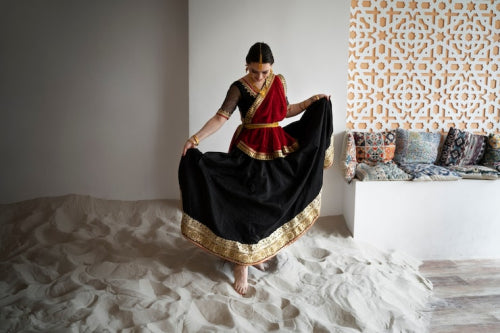
In the gentle sway of silk against skin or the crisp fold of cotton catching the breeze, a saree tells stories far older than any passing trend. Across India's vibrant regions, women have perfected draping techniques that do more than simply clothe the body they celebrate the looms, the weavers, and the heritage woven into every metre of fabric. These regional styles turn six yards of handwoven textile into living expressions of skill, identity, and pride.
Whether you admire the sculptural grace of a Bengali drape or the confident volume of a Gujarati style, learning these techniques offers a deeper connection to the artisans who created the cloth. As interest in authentic handloom sarees grows among discerning wearers, these draping methods bring new appreciation to India's rich weaving traditions.
Fast fashion erodes cultural heritage, sidelining artisans and reducing traditions to trends. At IndieHaat, we champion India's craftspeople with handcrafted sarees, apparel, décor, and skincare rooted in authenticity. Each piece embodies skill and ethical care. Support artisans and preserve India's timeless legacy Shop Now!
The Timeless Appeal of Regional Drapes
India's handloom sarees serve as cultural archives. Each region's unique weaving methods produce distinct textures, motifs, and finishes shaped by local climate, festivals, and daily rhythms. When draped in the traditional style of its origin, a saree doesn't just look authentic it moves with the memory of the loom and the hands that built it.
Today, many women seek meaningful fashion choices that honour craftsmanship. Regional drapes offer a beautiful alternative to fast fashion: slow, intentional ways of wearing that respect the weeks and months of labour behind each thread. They allow the fabric's character to shine while connecting the wearer to living heritage.
Bengali Style: Graceful Simplicity from Tant and Jamdani Looms
In West Bengal, the classic ath-poure drape brings understated elegance. Tuck the saree at the waist, wrap it once around the body, add light front pleats, and drape the pallu over the shoulder. This minimal approach perfectly highlights the airy translucence of Tant cotton and the intricate extra-weft patterns of Jamdani.
The light pleating lets handwoven motifs often inspired by nature or Mughal artistry breathe and catch light beautifully with every step. Artisans in villages near Shantiniketan and beyond continue to preserve these techniques, producing fabrics so fine they feel like a second skin. A simple cotton saree gains quiet sophistication when worn in true Bengali style.
Maharashtrian Nauvari: Power and Precision from Paithani and Kolhapuri Looms
The nine-yard Nauvari drape turns a longer saree into a practical yet majestic garment reminiscent of a dhoti. The fabric passes between the legs and tucks securely, creating a divided skirt that allows freedom of movement while retaining regal poise. Born from the needs of women managing fields and households, it carries undeniable strength and elegance.
This style pairs especially well with Paithani silk, where rich zari borders and golden motifs gain dramatic structure through the precise folds. The drape accentuates the luxurious weight and fall of these handlooms, letting the wearer embody Maharashtra's proud weaving legacy.
Practical Styling Tips for Nauvari
- Select a slightly heavier silk or cotton for better hold and structure
- Secure all tucks firmly so the silhouette stays elegant through the day
- Complement with traditional gold jewellery that echoes the zari details
- Practice the leg wrap a few times comfort comes with familiarity
Gujarati Seedha Pallu: Volume and Vibrancy from Patola and Bandhani
In Gujarat, the seedha pallu style brings the end panel to the front, creating generous, flowing folds across the torso. This method turns the pallu into a vibrant showcase for tie-dyed Bandhani dots or the remarkable double-ikat precision of Patola silk.
Women in Kutch and Surat have long celebrated their bold colour traditions through this drape. The front placement arranges intricate patterns like living artwork, honouring the weeks of resist-dyeing and skilled craftsmanship that define these textiles.
Kerala's Mundu-Inspired Drape: Breathable Beauty from Kasavu Looms
Kerala's traditional drape draws from the state's classic mundu-veshti, wrapping simply with the pallu often tucked or folded neatly. This clean, minimal approach perfectly suits the fine, gold-bordered Kasavu cotton that defines Kerala handloom.
The straightforward lines let the characteristic broad zari border shine while the lightweight fabric remains comfortable in the tropical climate. It demonstrates beautifully how restraint can elevate quality, allowing the handwoven material to speak for itself.
Rajasthani Pleats and Ghagra Influence: Drama from Leheriya and Block Prints
Rajasthan's draping styles embrace generous pleats and volume, often inspired by the region's iconic ghagra skirts. Fabric gathers richly at the waist, creating graceful movement that highlights wavy Leheriya tie-dye or the detailed block prints of Sanganeri and Bagru.
These styles reflect the desert state's love for vibrant colour and ornamentation. Extra folds catch light on mirror work or gota-patti, transforming everyday wear into something festive and full of life.
South Indian Temple Styles: Sacred Geometry from Kanchipuram and Pochampally
In Tamil Nadu and Andhra Pradesh, structured front pleats and carefully arranged pallus highlight the heavy silk and temple motifs of Kanchipuram or the flowing ikat patterns of Pochampally. The distinctive fish pleats or fan-like arrangements at the waist create architectural beauty that complements the geometric precision of these revered handlooms.
Many of these styles evolved around temple traditions, where the saree itself becomes part of ritual, celebration, and cultural continuity.
Modern Adaptations That Honour Tradition
Today's wearers are thoughtfully adapting regional drapes for contemporary life. A lightweight Bengali-style drape works wonderfully for office days, while a softer Nauvari offers weekend comfort with unmistakable character. Many women also blend techniques combining Gujarat's front pallu with Kerala's minimal pleats to create personal signatures that still respect the original handloom roots.
These thoughtful adaptations keep traditions alive while making them relevant for busy modern lives across India.
Why These Drapes Support Handloom Communities
Choosing regional draping styles directly helps sustain weaving communities. When a saree is worn in the manner that best showcases its special qualities, appreciation for the artisan's skill naturally grows. This visibility strengthens demand for authentic handlooms and helps keep traditional looms active across generations.
Every adjustment of the pallu or securing of front pleats becomes an act of participation in a living tradition. The more these techniques are practised and shared, the stronger the future of India's handloom heritage becomes.
Getting Started with Regional Draping
Begin with the style that feels most natural for your body type and the sarees already in your collection. Practise in front of a mirror, observing how different fabrics behave. Many regional variations require only small adjustments from the standard Nivi drape, making them approachable for beginners.
Seek guidance from experienced practitioners and tutorials rooted in these traditions. They preserve not just the folds but the cultural wisdom behind each style. Over time, you'll develop confidence and perhaps even create your own signature variations.
Final Thoughts: Six Yards of Living Heritage
The true beauty of India's regional saree drapes lies in how perfectly they unite form and function, history and modernity. They remind us that clothing can be deeply personal yet profoundly communal linking the wearer to communities of weavers whose craft has endured for centuries.
Next time you reach for a handloom saree, try the drape that belongs to its region of origin. In those careful folds and graceful movements, you'll find more than a fresh way to wear fabric you'll discover a richer appreciation for the stories woven into every thread.
Whether you prefer the quiet elegance of Bengal or the bold drama of Rajasthan, you step into a continuing narrative. Here, tradition lives not only in museums but in the pride with which women wear it every day.
Frequently Asked Questions
What are the most popular regional saree draping styles in India?
Some of the most celebrated regional draping styles include the Bengali ath-poure, the Maharashtrian nine-yard Nauvari, the Gujarati seedha pallu, Kerala's mundu-inspired drape, and South Indian temple styles from Tamil Nadu and Andhra Pradesh. Each technique is rooted in the weaving traditions of its region and is designed to best showcase the unique textures, motifs, and fabrics produced there. Rajasthani styles also stand out for their voluminous pleats influenced by the iconic ghagra skirt.
How does the way you drape a handloom saree affect its appearance and cultural significance?
Draping a handloom saree in its region's traditional style allows the fabric's unique character whether it's the translucent weave of Bengali Tant, the zari borders of Paithani silk, or the double-ikat precision of Gujarati Patola to be showcased at its best. Regional drapes are specifically developed to complement the weight, texture, and motifs of local handlooms, enhancing both their visual appeal and cultural authenticity. Wearing a saree in its native draping style is also a way to honor the artisans and weaving communities behind the cloth.
Can beginners learn regional saree draping styles, and how should they get started?
Yes most regional draping styles require only small adjustments from the widely familiar Nivi drape, making them quite approachable for beginners. The best starting point is to choose a style that suits your body type and the sarees you already own, then practice in front of a mirror to understand how different fabrics behave with each fold and tuck. Seeking guidance from experienced practitioners or culturally rooted tutorials can help you master not just the technique, but the traditional wisdom that makes each style meaningful.
Disclaimer: The above helpful resources content contains personal opinions and experiences. The information provided is for general knowledge and does not constitute professional advice.
You may also be interested in: Unveiling the Enchantment of Ilkal Sarees: Where Tradition Meets Elegance
Fast fashion erodes cultural heritage, sidelining artisans and reducing traditions to trends. At IndieHaat, we champion India's craftspeople with handcrafted sarees, apparel, décor, and skincare rooted in authenticity. Each piece embodies skill and ethical care. Support artisans and preserve India's timeless legacy Shop Now!
Powered by flareAI.co