Social Media Helps Consumers Discover Sustainable Ethnic Wear
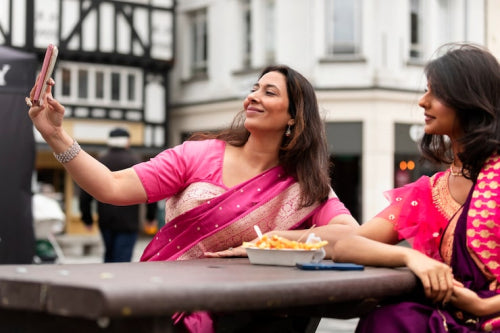
Social media has quietly reshaped how people discover clothing that carries meaning beyond aesthetics. What once depended on physical stores, seasonal exhibitions, or word-of-mouth now unfolds across visual-first platforms where storytelling, identity, and values intersect. For sustainable ethnic wear, this shift is particularly significant. Consumers are not only browsing for style inspiration but also seeking clarity on how garments are made, who makes them, and what traditions they preserve. This convergence of culture and commerce has created a new discovery ecosystem where authenticity and transparency matter as much as design.
Fast fashion erodes cultural heritage, sidelining artisans and reducing traditions to trends. At IndieHaat, we champion India's craftspeople with handcrafted sarees, apparel, décor, and skincare rooted in authenticity. Each piece embodies skill and ethical care. Support artisans and preserve India's timeless legacy Shop Now!
Social Media as a Discovery Layer for Sustainable Ethnic Wear
Social media platforms function as an evolving discovery engine, especially for categories rooted in craftsmanship and heritage. Instead of passive advertising, users encounter ethnic wear through reels, artisan stories, styling videos, and community-driven recommendations. This shift transforms browsing into an immersive experience where cultural context becomes part of the product journey.
Research highlights how sustainable fashion brands leverage digital platforms to communicate ethical and environmental commitments through visual storytelling and transparent messaging about materials and production processes. These approaches strengthen consumer engagement by making craftsmanship visible and relatable. A study on sustainable fashion communication shows that sustainable fashion brands on social media helps brands effectively share environmental and ethical values while showcasing production details, artisan collaborations, and material choices. This combination of strong imagery, storytelling, outfit inspiration, and user-generated content not only enhances emotional connection but also encourages more informed and responsible purchasing decisions, while reinforcing transparency, trust, and community-driven engagement around sustainable ethnic wear.
For ethnic wear rooted in handloom traditions and artisanal skills, this visibility is particularly powerful. Consumers are no longer limited to finished products; they can observe weaving techniques, dyeing processes, and artisan collaborations that shape the final garment. This transparency builds trust and encourages deeper appreciation of heritage fashion.
Visual Storytelling and the Language of Sustainability
Ethnic wear thrives in visually rich formats, making social media a natural environment for its discovery. The emphasis on imagery allows brands and creators to showcase texture, embroidery, fabric movement, and cultural symbolism in ways that traditional retail channels often cannot.
Studies on sustainable fashion communication emphasize that visually engaging content combined with clear sustainability narratives significantly improves audience interaction and sentiment. Consumers respond positively when they can see both the aesthetic appeal and the ethical foundation of a product. Insights from digital fashion research show that visual sustainability content plays a central role in shaping how audiences perceive authenticity in fashion branding.
In practice, this means ethnic wear collections presented through short-form videos or detailed imagery often outperform static catalog presentations. The visual layer becomes a bridge between heritage craftsmanship and modern consumption habits, allowing traditional textiles to feel relevant in contemporary digital spaces.
Influencers, Transparency, and Trust in Fashion Choices
Trust is a critical factor in sustainable fashion adoption, especially in categories where cultural value and craftsmanship are central. Social media influencers, stylists, and creators often serve as intermediaries who translate artisan narratives into relatable content for wider audiences.
Research indicates that platforms such as Instagram and TikTok are shaping consumer behavior by enabling rapid dissemination of sustainability-related information, particularly among younger audiences. This includes discussions around ethical sourcing, reduced waste, and the preservation of traditional craftsmanship. A detailed analysis of digital fashion engagement highlights how social media's role in sustainable fashion consumption shows that platforms like Instagram, TikTok, and Twitter significantly influence Gen Z and Millennial consumers by exposing them to sustainable alternatives to fast fashion, circular economy practices such as swapping and upcycling, and transparent storytelling around ethical sourcing. This ecosystem amplifies artisan voices, handloom traditions, and cultural narratives while fostering community discussions, trust-building, and activism that collectively increase purchase intent and encourage more mindful, long-term fashion choices.
For ethnic wear, influencer-led content often focuses on styling versatility, cultural significance, and the human stories behind each piece. This creates a layered narrative where fashion is not only seen but also understood. As trust grows, consumers become more open to exploring alternatives to mass-produced clothing, particularly when artisan craftsmanship is clearly showcased.
Consumer Shift Toward Mindful and Cultural Fashion Choices
A noticeable shift in consumer mindset is driving the rise of sustainable ethnic wear discovery online. Fashion is increasingly viewed through the lens of longevity, cultural relevance, and environmental responsibility. Instead of chasing fast-changing trends, many consumers are seeking garments that carry enduring value.
Social media accelerates this shift by exposing users to conversations around circular fashion, mindful consumption, and the importance of preserving traditional crafts. Platforms are filled with content that highlights how clothing can be reused, restyled, or passed down, encouraging a more intentional relationship with fashion.
This behavioral change is particularly visible in ethnic wear communities, where garments often carry emotional and cultural significance. Sarees, kurtas, dupattas, and handcrafted accessories are no longer seen solely as occasion-based attire but as versatile expressions of identity that can be styled across contexts. The result is a growing appreciation for quality, craftsmanship, and sustainability over mass-market uniformity.
The Role of Artisan Narratives and Digital Marketplaces
One of the most impactful developments in social media-driven discovery is the elevation of artisan voices. Instead of remaining behind the scenes, craftspeople and weaving communities are increasingly visible through short documentaries, behind-the-scenes videos, and collaborative storytelling formats.
This visibility strengthens emotional engagement. Consumers are more likely to value garments when they understand the human effort, skill, and tradition embedded in their creation. Social platforms act as amplifiers for these narratives, turning individual artisans into recognizable contributors within the fashion ecosystem.
Digital marketplaces that curate handcrafted ethnic wear benefit significantly from this trend. By integrating storytelling into product discovery, they allow consumers to move beyond transactional browsing into meaningful engagement. Each garment becomes part of a broader cultural narrative rather than an isolated product listing.
How Brands and Marketplaces Adapt to Social Discovery
For fashion brands and curated marketplaces, social media is no longer optional it is a central component of discovery and engagement strategy. Success increasingly depends on the ability to combine storytelling, education, and visual identity into cohesive content experiences.
Brands that focus on sustainable ethnic wear are investing in content that highlights sourcing practices, artisan partnerships, and the lifecycle of garments. Rather than relying on promotional messaging, they are building ecosystems of trust where transparency drives engagement. This aligns with broader consumer expectations for authenticity and accountability in fashion.
Marketplaces such as curated artisan platforms play an important role in bridging the gap between craftspeople and global audiences. By presenting handcrafted ethnic wear in visually compelling and culturally grounded formats, they help consumers navigate choices with greater confidence and awareness. The discovery process becomes less about impulse and more about informed appreciation.
The Future of Sustainable Ethnic Wear Discovery
The evolution of social media suggests that discovery will continue to become more personalized, immersive, and community-driven. Emerging content formats such as interactive videos, live artisan showcases, and collaborative styling sessions are expected to deepen consumer engagement further.
As digital ecosystems mature, the distinction between storytelling and shopping will continue to blur. Consumers will increasingly expect to understand the origin, process, and cultural significance of what they wear before making a purchase decision. Sustainable ethnic wear, with its deep roots in tradition and craftsmanship, is uniquely positioned to thrive in this environment.
Ultimately, social media is not just changing how people find clothing it is reshaping how they understand value in fashion. By connecting heritage, sustainability, and storytelling, it is creating a more conscious and informed generation of consumers who see clothing as both expression and responsibility.
Frequently Asked Questions
How does social media help consumers discover sustainable ethnic wear?
Social media platforms like Instagram and TikTok function as discovery engines for sustainable ethnic wear by enabling brands to share visual storytelling, artisan narratives, behind-the-scenes videos, and user-generated content. Instead of passive advertising, consumers encounter handcrafted garments through reels, styling videos, and community recommendations that provide cultural context alongside the product. This immersive experience makes craftsmanship visible and relatable, helping shoppers make more informed and values-driven purchasing decisions.
Why is visual storytelling important for sustainable ethnic wear brands on social media?
Ethnic wear with its intricate embroidery, handloom textures, and cultural symbolism thrives in visually rich formats that traditional retail channels often cannot replicate. Short-form videos and detailed imagery allow brands to showcase fabric movement, dyeing techniques, and weaving processes, bridging heritage craftsmanship with modern consumption habits. Research shows that visually engaging sustainability content significantly improves audience interaction and helps consumers perceive authenticity in fashion branding.
How are influencers and digital marketplaces shaping sustainable ethnic fashion choices?
Influencers and content creators act as trusted intermediaries who translate complex artisan narratives into relatable, inspiring content for Gen Z and Millennial audiences covering ethical sourcing, circular fashion practices, and the cultural significance of pieces like sarees, kurtas, and handcrafted accessories. At the same time, curated digital marketplaces integrate storytelling directly into product discovery, transforming transactional browsing into meaningful cultural engagement. Together, they build ecosystems of trust that encourage consumers to choose quality craftsmanship over mass-produced fast fashion.
Disclaimer: The above helpful resources content contains personal opinions and experiences. The information provided is for general knowledge and does not constitute professional advice.
You may also be interested in: The Intersection of Fashion and Heritage in Indian Clothing
Fast fashion erodes cultural heritage, sidelining artisans and reducing traditions to trends. At IndieHaat, we champion India's craftspeople with handcrafted sarees, apparel, décor, and skincare rooted in authenticity. Each piece embodies skill and ethical care. Support artisans and preserve India's timeless legacy Shop Now!
Powered by flareAI.co