A Style Guide to Pairing Traditional Wear With Modern Accessories
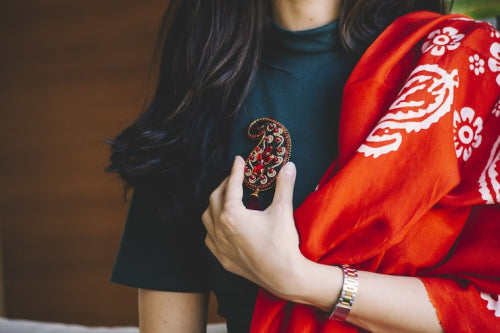
The ethnic wear market continues to demonstrate strong momentum, propelled by cultural resonance, the surge in e-commerce, and rising interest in styles that merge tradition with contemporary life. According to a detailed analysis, the market is projected to expand by USD 45.9 billion at a CAGR of 8.4% between 2024 and 2029, with e-commerce expansion playing a central role in broadening access worldwide and sustaining year-round demand through festivals and seasonal occasions.
In India the epicenter of much of this heritage craftsmanship the ethnic wear sector recorded revenue of USD 19,093.9 million in 2023 and is forecasted to climb to USD 30,448.6 million by 2030, advancing at a CAGR of 6.9% from 2024 onward. While offline channels held the largest share in 2023, online distribution stands out as the fastest-growing segment, signaling a clear pivot toward digital discovery and purchase.
From the bustling streets of Mumbai and the vibrant souks of Dubai to cosmopolitan hubs like New York, London, Sydney, and Singapore, wardrobes are undergoing a subtle yet profound transformation. Handwoven sarees crafted from pure linen or lustrous silk, along with block-printed kurtas bearing the mark of individual artisans, have stepped beyond the confines of weddings and festive celebrations. Today these pieces appear effortlessly in everyday settings paired at casual brunches, integrated into office attire, or styled for relaxed evenings out. This movement represents far more than passing trends; it signals a thoughtful fusion of cultural legacy with modern functionality, and it is fundamentally altering how discerning global shoppers engage with authentic ethnic wear via specialized online platforms.
Fast fashion erodes cultural heritage, sidelining artisans and reducing traditions to trends. At IndieHaat, we champion India's craftspeople with handcrafted sarees, apparel, décor, and skincare rooted in authenticity. Each piece embodies skill and ethical care. Support artisans and preserve India's timeless legacy Shop Now!
Transitioning from Special Occasions to Daily Wearability
The change reveals itself most convincingly in practice. Consider a timeless cotton saree, traditionally reserved for family rituals, now gracefully cinched at the waist with a slim leather belt and grounded by elegant block heels for an inviting weekend brunch ensemble. Kurtas, with their distinctive hand-embroidered details, layer seamlessly over slim jeans, lending subtle sophistication to otherwise understated outfits. In markets such as India and the UAE, where celebrations and cultural observances remain prominent, this modular approach allows a single garment to shift fluidly from daytime rituals to evening gatherings. In contrast, diaspora-heavy regions including the US, UK, Australia, and Singapore embrace these adaptations to navigate multicultural environments whether professional settings that welcome understated cultural nods or social occasions that blend diverse influences positioning ethnic wear as a versatile, year-round wardrobe essential rather than an occasional indulgence.
Much of this adaptability stems directly from the inherent qualities of the fabrics involved. Pure linen, silk, and cotton celebrated for their natural breathability, graceful drape, and comfort excel in layering and combination with contemporary pieces. Unlike synthetic alternatives that can feel flat or clash, these materials maintain a distinctive texture and authenticity that harmonizes with minimalist jewelry, structured handbags, or sleek footwear. As awareness of ethical production and material integrity rises among buyers, the preference for genuine, artisan-crafted textiles grows ever stronger.
How the Trend Manifests Across Key Regions
Within India, younger urban generations millennials and Gen Z alike are actively reclaiming handloom traditions through vibrant digital ecosystems. Short Instagram reels and detailed YouTube tutorials illustrate practical pairings: a Banarasi silk blouse styled with structured trousers for a polished workday appearance, or a breezy linen kurta suited to casual weekend outings. This digital-driven revival aligns closely with the documented expansion of the domestic ethnic wear market, where online channels accelerate reach far beyond conventional brick-and-mortar experiences.
In diaspora communities across the US and UK, multicultural workplaces increasingly accommodate subtle expressions of heritage perhaps a lightweight dupatta repurposed as a sophisticated scarf or bold artisan earrings complementing Western tailoring. Shoppers in Australia and Singapore, navigating rich blends of cultural influences, gravitate toward fusions that feel intuitive and inclusive. The UAE's dynamic, multicultural environment further encourages reinterpretations of classic silhouettes for daily life amid a rich calendar of festivals and events. The unifying factor across these diverse geographies remains clear: consumers seek garments that respect cultural roots while accommodating the practical demands of contemporary routines.
Instagram, Facebook, and YouTube as Creative Testing Grounds
Instagram functions as the primary arena where these styling experiments unfold in real time. Feeds brim with authentic content from everyday wearers and artisan-connected individuals: a meticulously handwoven saree elevated by a modern crossbody bag and comfortable loafers, or a flowing cotton anarkali refreshed with a cropped denim jacket. Such visuals dismantle preconceptions, proving that heritage elements need not feel restrictive. Across Instagram, Facebook, and YouTube the dominant discovery platforms for many in this space these demonstrations ignite inspiration and ease concerns tied to online buying decisions.
Thoughtfully curated marketplaces amplify this dynamic by moving beyond static product displays. They present contextual guidance illustrating precisely how a pure silk dupatta can transform a neutral dress or why the natural texture of a linen kurta complements metallic accents so effectively. This method underscores the value of unique, artisan-direct designs, converting passive browsing into an informative journey that educates as much as it sells.
Confronting Persistent Shopper Hesitations
Significant hurdles remain. The handmade nature of ethnic wear inevitably commands a premium, rooted in skilled labor hours, superior raw materials, and limited production scales. Potential buyers frequently weigh this against lower-cost mass-market options, questioning long-term worth. The most persuasive response emerges through transparent narratives: spotlighting the exclusive use of pure linen, silk, and cotton; celebrating the one-of-a-kind nature of each piece; and highlighting versatility that supports wear across multiple contexts, thereby delivering genuine extended value.
Online retail's inherent limitation no opportunity for tactile inspection or in-person drape assessment continues to foster skepticism. Yet strategic solutions narrow this divide effectively. Ultra-clear, zoomable photography, close-up fabric swatches, detailed artisan backgrounds, and forthright sourcing information foster confidence. Comprehensive styling resources further reinforce reliability, showcasing how garments perform reliably in varied real-world scenarios and settings.
Strategic Advantages for Artisan-Focused Platforms
For platforms centered on direct artisan relationships, the rise of hybrid styling presents substantial opportunities. Educational content ranging from practical style suggestions and fabric care advice to in-depth artisan features proactively addresses pricing and trust barriers while measurably improving purchase decisions. When customers visualize a solitary handcrafted kurta serving as the foundation for diverse outfits across seasons and occasions, perceived value sharpens dramatically. With worldwide enthusiasm for sustainable, authentic fashion on the ascent, enterprises that skillfully connect time-honored craftsmanship to adaptable, modern applications are exceptionally positioned to attract and retain audiences in core markets: India, the US, UK, Singapore, Australia, and the UAE.
In essence, this evolution transcends superficial fashion cycles. It embodies a meaningful cultural conversation one in which enduring textiles engage with present-day realities, and artisans forge direct, meaningful links with wearers on a global scale. The path forward favors those who understand that true authenticity flourishes through intentional versatility rather than rigid preservation. Curated e-commerce platforms hold a decisive advantage when they prioritize inspiration, education, and authentic connection over mere listings, cultivating lasting relevance in an ever-more interconnected fashion world.
Frequently Asked Questions
How can I style traditional ethnic wear for everyday occasions instead of just festivals?
Traditional ethnic wear like cotton sarees and embroidered kurtas can easily transition to daily wear through modern styling. Try pairing a cotton saree with a slim leather belt and block heels for weekend brunches, or layer a hand-embroidered kurta over slim jeans for understated sophistication. The key is combining heritage pieces with contemporary accessories like structured handbags, minimalist jewelry, or sleek footwear to create versatile outfits suitable for work, casual outings, or social gatherings.
What makes handcrafted ethnic wear worth the higher price compared to mass-market alternatives?
Handcrafted ethnic wear commands a premium because it features skilled artisan labor, superior natural materials like pure linen, silk, and cotton, and limited production that ensures each piece is unique. The investment delivers genuine long-term value through exceptional versatility—a single handwoven kurta or saree can be styled across multiple contexts and seasons, serving as the foundation for diverse outfits. Additionally, these pieces maintain distinctive texture and authenticity that synthetic alternatives cannot replicate, while supporting ethical production and cultural preservation.
How can I feel confident buying ethnic wear online without seeing the fabric in person?
Online platforms can build confidence through strategic features like ultra-clear, zoomable photography, close-up fabric swatches, and detailed artisan backgrounds that provide transparency about sourcing and craftsmanship. Look for sites that offer comprehensive styling resources and real-world scenario demonstrations showing how garments perform in varied settings. Educational content covering fabric care, practical style suggestions, and authentic customer visuals on social platforms like Instagram can help you visualize how pieces will look and feel, effectively bridging the gap of tactile inspection.
Disclaimer: The above helpful resources content contains personal opinions and experiences. The information provided is for general knowledge and does not constitute professional advice.
You may also be interested in: 14 Stunning Diwali Outfit Ideas for Women in 2024 | Traditional
Fast fashion erodes cultural heritage, sidelining artisans and reducing traditions to trends. At IndieHaat, we champion India's craftspeople with handcrafted sarees, apparel, décor, and skincare rooted in authenticity. Each piece embodies skill and ethical care. Support artisans and preserve India's timeless legacy Shop Now!
Powered by flareAI.co