How to Choose the Right Handloom Saree for Your Style
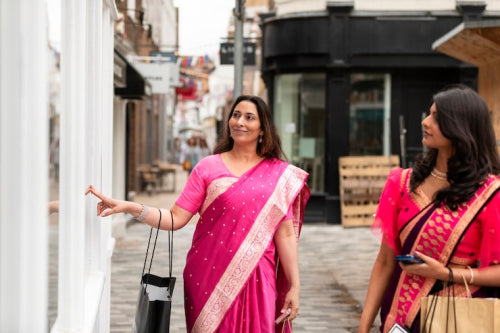
The saree remains one of the most enduring symbols of Indian elegance, yet its appeal now extends far beyond tradition. In an era dominated by fleeting trends and synthetic abundance, handloom sarees are experiencing a profound resurgence. Shoppers in India, the US, UK, UAE, Singapore, and Australia increasingly seek pieces that carry authentic craftsmanship, cultural depth, and genuine sustainability. This shift is no passing fad the data confirms it. India's saree market stood at USD 6.15 billion in 2025 and is expected to expand to USD 10.77 billion by 2034, advancing at a compound annual growth rate of 6.43% from 2026 to 2034. Globally, the handloom products sector, valued at USD 8.32 billion in 2024, is forecasted to rise from USD 8.95 billion in 2025 to USD 16.62 billion by 2032, registering a robust CAGR of 9.24%, with Asia Pacific commanding a 55.77% share in 2024.
These figures reflect more than economic momentum. They signal a broader consumer movement toward mindful choices favoring natural materials, ethical origins, and items built to last. Online platforms face scrutiny, however. Buyers hesitate over authenticity, question premium pricing, and miss the tactile reassurance of in-store handling. Reputable sites counter these concerns through transparency, artisan-direct models, and detailed storytelling. IndieHaat.com exemplifies this approach, delivering handmade sarees sourced straight from weavers, featuring distinctive designs in exclusively pure linen, silk, and cotton.
Fast fashion erodes cultural heritage, sidelining artisans and reducing traditions to trends. At IndieHaat, we champion India's craftspeople with handcrafted sarees, apparel, décor, and skincare rooted in authenticity. Each piece embodies skill and ethical care. Support artisans and preserve India's timeless legacy Shop Now!
Why Fabric Authenticity Defines Quality and Longevity
The foundation of any exceptional saree lies in its fabric. Authentic handloom pieces use fibers untouched by synthetic adulteration, ensuring breathability, comfort, and graceful aging. Cotton sarees, holding a 23% market share in India during 2025, lead for compelling reasons: unmatched versatility, natural moisture-wicking properties, and suitability for diverse climates and daily routines. Whether navigating humid days in Mumbai or Singapore, or layering for milder seasons in London or Melbourne, pure cotton adapts effortlessly.
Silk imparts a luminous drape ideal for celebratory events, while linen delivers structured crispness perfect for structured silhouettes in warmer regions like the UAE. Conscious consumers in Western markets increasingly prioritize these natural options, guided by sustainability principles and textile scholarship that underscores their lower environmental impact compared to blends.
Platforms committed to purity rejecting any synthetic mixtures provide reassurance. When descriptions specify fabric origins and characteristics clearly, buyers gain confidence that the saree will wear well, soften over time, and retain its integrity through repeated use.
Matching Saree Styles to Personal Aesthetics and Occasions
Handloom sarees resist uniformity; each reflects regional techniques, personal taste, and intended purpose. Minimalist motifs and subdued palettes dominate among urban professionals in India, Singapore, and Australia, enabling seamless transitions from workplace to evening gatherings. Geometric patterns or subtle zari borders pair effortlessly with tailored blouses or contemporary accessories, aligning with modern minimalist trends visible across Instagram feeds.
For festive or ceremonial wear, richer textures and intricate weaves make powerful statements. Diaspora communities in the US, UK, and UAE frequently select these for weddings, cultural festivals, or milestone events, blending heritage with present-day styling. Social platforms accelerate inspiration: accounts such as @anilarubyraj, @ani_lakshmi, @svishala74, @drminimalhotra, and @varshaoak demonstrate real-world applications, from office-appropriate drapes to bold festive looks enhanced by belts, jewelry, or footwear twists.
Weave, Texture, and Drape – What Online Shoppers Should Look For
Physical touch remains unavailable in digital shopping, yet high-quality visuals and descriptions close the distance. Examine close-up images for telltale signs of handloom authenticity: slight variations in thread thickness, gentle irregularities that distinguish human craftsmanship from mechanical precision.
Weave types profoundly affect how a saree behaves. Lightweight Chanderi flows fluidly for graceful movement; heavier Kantha or textured cottons maintain structured pleats and hold form during extended wear. Product pages that include drape videos, loom-time details, and artisan insights transform uncertainty into appreciation. These elements let shoppers visualize fall, comfort, and suitability long before the parcel arrives, effectively addressing the common concern of lacking hands-on evaluation.
Price, Value, and the True Cost of Handloom
Handloom sarees command higher prices, yet the reasoning proves straightforward and defensible. Production demands extensive manual effort preparing yarns, natural dyeing, loom setup, and weaving that can span days or weeks per piece. This labor supports fair compensation for skilled artisans and preserves time-honored methods.
In India, economy sarees represent 55% of the market in 2025, underscoring widespread value sensitivity. Internationally, however, discerning buyers in the US, UK, and Australia willingly invest when provenance is transparent. The premium reflects superior durability, singular design, and ethical integrity. A carefully maintained handloom saree endures for generations, offering far greater longevity than disposable alternatives. It becomes not an expense, but a meaningful investment in quality, uniqueness, and human stories.
Trust Signals That Matter When Buying Handloom Sarees Online
Credibility emerges from visible accountability. Artisan-direct sourcing eliminates intermediaries, ensuring traceability and higher returns to creators. Detailed profiles naming weavers, villages, and techniques forge emotional connections and verify genuineness.
Purity assurances, origin information, and high-resolution imagery build further confidence, particularly for international purchasers alert to counterfeits. Social media amplifies trust: authentic reels, customer unboxings, and creator endorsements provide social proof that resonates deeply. When platforms combine unique designs, verified pure fabrics, and direct artisan links, they create a compelling assurance framework that dispels doubt.
Empowering Artisans Through Conscious Consumption
Each handloom saree purchased sustains entire communities. It bolsters rural livelihoods, safeguards endangered weaving traditions, and counters the pressures of industrialization. E-commerce extends reach, connecting artisans to global audiences from Indian households to expat circles in Dubai, London, or Sydney.
Buyers gain more than apparel; they contribute to cultural continuity and slow-fashion principles that prioritize longevity over excess. In this exchange, consumption becomes purposeful participation.
Your Next Saree Awaits With Confidence
Handloom saree selection has matured into an informed, values-aligned process. Knowledge of fabrics, weaves, styling versatility, and genuine value equips modern shoppers to navigate online choices with assurance. Digital transparency and storytelling dissolve longstanding barriers of trust and tactility. What emerges is deeper satisfaction: draping a garment that embodies heritage, ethical craftsmanship, and personal significance.
In a hurried world, the deliberate act of choosing and wearing a handloom saree stands as a quiet yet powerful affirmation of identity, sustainability, and connection. The looms continue their steady rhythm. The right piece is waiting to become part of your narrative.
Frequently Asked Questions
What fabric should I look for when buying a handloom saree online?
Authentic handloom sarees should use pure natural fibers without synthetic blends—cotton, silk, or linen. Pure cotton is highly versatile and breathable, making it ideal for daily wear across different climates, while silk offers a luminous drape perfect for celebrations and linen provides crisp structure for warmer regions. Look for platforms that clearly specify fabric origins and reject synthetic mixtures to ensure durability, comfort, and graceful aging over time.
How can I verify the authenticity of a handloom saree when shopping online?
Examine close-up product images for slight variations in thread thickness and gentle irregularities that distinguish handloom craftsmanship from machine-made precision. Trustworthy platforms provide artisan-direct sourcing with detailed weaver profiles, village information, and transparent production processes. High-resolution imagery, drape videos, loom-time details, and customer reviews or social media unboxings also serve as reliable trust signals that confirm genuine handloom quality.
Are handloom sarees worth the higher price compared to regular sarees?
Yes, handloom sarees represent a meaningful investment rather than an expense due to their exceptional durability and ethical production. The premium pricing reflects extensive manual labor—from yarn preparation and natural dyeing to weeks of weaving—that supports fair wages for skilled artisans and preserves traditional techniques. A well-maintained handloom saree can last for generations, offering superior longevity, singular design, and cultural significance that disposable alternatives cannot match.
Disclaimer: The above helpful resources content contains personal opinions and experiences. The information provided is for general knowledge and does not constitute professional advice.
You may also be interested in: The Importance of Saree Fall: Enhancing Elegance and Style in
Fast fashion erodes cultural heritage, sidelining artisans and reducing traditions to trends. At IndieHaat, we champion India's craftspeople with handcrafted sarees, apparel, décor, and skincare rooted in authenticity. Each piece embodies skill and ethical care. Support artisans and preserve India's timeless legacy Shop Now!
Powered by flareAI.co