Choosing Fabrics for Different Climates
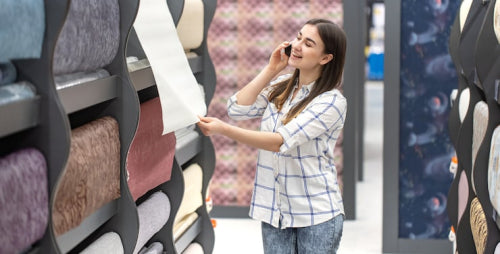
The cadence of the seasons has long dictated human comfort, subtly guiding choices in attire and home textiles far beyond mere aesthetics. In today's globalized yet deeply personal fashion landscape, this natural rhythm has become a strategic imperative for curated e-commerce platforms. For indiehaat.com, a platform that meticulously selects handmade items directly sourced from artisans featuring unique designs and authentic pure fabrics exclusively linen, silk, and cotton aligning offerings with regional climates transforms casual browsing into lasting customer loyalty across key markets including India, the US, Singapore, Australia, the UK, and the UAE.
The broader industry underscores this relevance. According to verified industry analysis, the global textile market stood at USD 1.16 billion in 2025, with projections to reach USD 1.61 billion by 2033, expanding at a steady CAGR of 4.2% from 2026 onward. This growth stems from surging fast fashion cycles, accelerating urbanization, and climbing disposable incomes in emerging regions, all fueling demand for comfortable, versatile apparel. Within raw materials, cotton commands the largest share at 39.2% revenue in 2025 thanks to its innate breathability, softness, and adaptability qualities especially prized in warmer zones while silk emerges as the fastest-growing segment at a 4.5% CAGR through 2033, celebrated for its luxurious yet lightweight performance in humid conditions.
Parallel momentum builds in sustainability. The sustainable fabrics market was valued at 32.74 USD Billion in 2024, advancing to 36.83 USD Billion in 2025 and forecasted to hit 119.63 USD Billion by 2035, reflecting a robust 12.5% CAGR across the period. Organic options lead in current share, but recycled fabrics accelerate quickest amid heightened environmental awareness, with North America maintaining dominance through consumer demand and Asia-Pacific registering the swiftest regional expansion via urbanization and shifting practices. Complementing this, the global sustainable fashion market reached USD 10.40 billion in 2024, set to climb from USD 11.35 billion in 2025 to USD 22.49 billion by 2032 at a 10.25% CAGR, propelled by widespread rejection of fast fashion's ecological footprint and breakthroughs in earth-friendly innovations.
These trajectories highlight a clear path for artisan-centric brands: leverage pure, natural fibers to meet climate-specific needs, counter perceptions of premium pricing through demonstrated value in comfort and durability, build trust via transparent artisan narratives, and overcome the absence of tactile experience with evocative, detail-rich descriptions.
Fast fashion erodes cultural heritage, sidelining artisans and reducing traditions to trends. At IndieHaat, we champion India's craftspeople with handcrafted sarees, apparel, décor, and skincare rooted in authenticity. Each piece embodies skill and ethical care. Support artisans and preserve India's timeless legacy Shop Now!
Mastering Regional Climate-Fabric Alignment
India's climatic diversity demands nuanced selections. Southern heat and monsoon humidity favor airy cotton and linen, which rapidly wick moisture and dry, preventing discomfort in persistent dampness; silk introduces refined breathability for transitional moments. Northern winters call for denser cotton weaves or silk layers that insulate gently while permitting movement.
The United States presents wide variation. In the arid Southwest, linen's superior ventilation excels against dry heat; humid Southeast states benefit from cotton's reliable moisture control. Northeastern cold seasons suit silk's understated warmth and cotton's versatile layering, particularly resonant with Indian diaspora communities in California or Florida who value these heritage fabrics for daily and cultural wear.
Singapore's constant tropical heat and high humidity render breathability essential. Here linen and cotton predominate, drawing perspiration outward and promoting airflow, while silk contributes sophisticated, non-clinging elegance without excess warmth.
Australia's profile spans intense coastal summers to shifting inland patterns, favoring linen and cotton for peak heat and silk for lightweight refinement during milder periods or evenings.
The United Kingdom's temperate, frequently changeable weather cool, damp, with sporadic sun benefits from adaptable naturals: cotton handles mild conditions, silk blends enable subtle layering against rain or chill, and linen capitalizes on brief warm spells.
In the UAE, extreme desert temperatures combined with coastal humidity prioritize cotton and linen for effective cooling and evaporation, with silk providing polished comfort indoors or during cooler evenings.
Innovations Elevating Natural Performance
Advancements in textile technology now enhance the inherent advantages of linen, silk, and cotton. Emerging cooling mechanisms reflecting solar radiation, dissipating body heat, and optimizing airflow integrate seamlessly with these pure materials, delivering marked reductions in perceived skin temperature during intense sun exposure without relying on synthetics.
Sustainability trends converge here as well, amplifying demand for natural performance fabrics that manage moisture, offer UV protection, and adapt across seasons. Urban centers in India and across Asia-Pacific increasingly embrace breathable options for consistent year-round usability.
Practical Impact in Artisan Markets
Real-world patterns affirm these pairings. In humid Chennai, artisan-crafted cotton kurtas consistently outperform denser alternatives in sales, while Delhi customers favor silk shawls for effective winter layering. Singapore and UAE shoppers gravitate toward moisture-managing linen dresses and cotton tunics as everyday essentials in unrelenting warmth. Australian and UK wardrobes evolve through seasonal curation linen-dominant summer lines giving way to silk-accented pieces for transitional or cooler phases creating resilient, climate-responsive collections.
Such thoughtful matches naturally mitigate common hesitations: the superior comfort and longevity of handmade pieces validate higher investment; artisan-direct sourcing fosters credibility through origin stories; rich imagery and context-rich product narratives effectively simulate the sensory experience absent in online shopping.
Strategic Advantages for Curated Platforms
Integrating climate awareness into curation yields measurable gains higher conversion through relevant suggestions (linen-forward for Singapore-bound orders, cotton emphasis for US summer shipments), fewer returns via better expectation alignment, and refreshed seasonal drops that maintain excitement. Most powerfully, championing eco-conscious, artisan-rooted textiles cultivates deep loyalty: purchasers embrace items that respect craftsmanship, environmental responsibility, and individual well-being.
Ultimately, selecting fabrics attuned to climate transcends commerce it's an acknowledgment of the body's dialogue with its surroundings. For indiehaat.com, drawing from India's rich artisan legacy while serving global audiences, this harmony elevates routine purchases into meaningful narratives. Linen gliding softly over warm skin, silk capturing a gentle evening current, cotton steadfast through pouring rain these timeless, authentic elements endure as quiet luxuries. In an industry accelerating toward sustainability and intelligent performance, the purest natural fibers may represent the most progressive choice of all.
Frequently Asked Questions
Which fabrics are best for hot and humid climates?
Cotton and linen are ideal for hot and humid conditions as they excel at moisture-wicking and promote superior airflow to keep you cool and dry. These natural fibers rapidly draw perspiration away from the skin and dry quickly, preventing discomfort in persistent dampness. Silk also offers refined breathability for transitional moments, providing sophisticated elegance without excess warmth in tropical environments like Singapore or the UAE.
How do natural fabrics like cotton, linen, and silk compare to synthetic materials for different weather conditions?
Natural fabrics like cotton, linen, and silk offer inherent climate-responsive advantages that synthetics often lack—superior breathability, effective moisture management, and adaptability across seasons. Cotton commands the largest market share due to its softness and versatility in warmer zones, while linen excels in extreme heat with superior ventilation, and silk provides lightweight warmth for cooler conditions. Recent textile innovations now enhance these natural materials with cooling mechanisms and UV protection, delivering performance without relying on synthetic alternatives.
What fabrics should I choose for temperate climates with changing weather?
Temperate climates like the United Kingdom benefit from adaptable natural fibers that can handle cool, damp, and occasionally sunny conditions. Cotton is perfect for mild weather and versatile layering, silk blends enable subtle warmth against rain or chill, and linen capitalizes on brief warm spells with its exceptional ventilation. This combination allows you to build a climate-responsive wardrobe that transitions seamlessly through seasonal changes while maintaining comfort and breathability.
Disclaimer: The above helpful resources content contains personal opinions and experiences. The information provided is for general knowledge and does not constitute professional advice.
You may also be interested in: Indiehaat | Traditional Artisanal Technologies in Handmade
Fast fashion erodes cultural heritage, sidelining artisans and reducing traditions to trends. At IndieHaat, we champion India's craftspeople with handcrafted sarees, apparel, décor, and skincare rooted in authenticity. Each piece embodies skill and ethical care. Support artisans and preserve India's timeless legacy Shop Now!
Powered by flareAI.co