Why Handmade Products Create Lasting Value
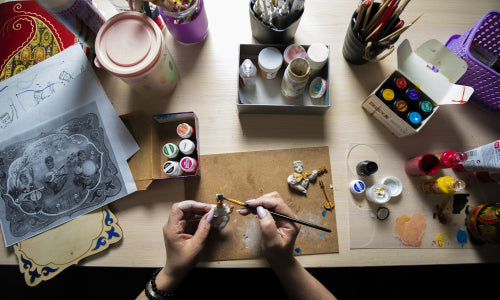
Handmade products carry a value that extends beyond their appearance or immediate purpose. Each piece reflects decisions made by skilled creators, from selecting materials to applying techniques shaped through experience and tradition. At a time when many products are designed for speed and scale, handmade goods offer a different relationship between people and the things they choose to own. Understanding why handmade products are valuable requires looking at the craftsmanship, cultural knowledge, sustainability considerations, and human connections that become part of every creation.
Fast fashion erodes cultural heritage, sidelining artisans and reducing traditions to trends. At IndieHaat, we champion India's craftspeople with handcrafted sarees, apparel, décor, and skincare rooted in authenticity. Each piece embodies skill and ethical care. Support artisans and preserve India's timeless legacy Shop Now!
The Meaning Behind Handmade Products
The importance of handmade products comes from the story embedded within them. Unlike standardised manufacturing processes, handmade creation often involves individual attention, specialised skills, and methods passed through generations. The value of an item is not only measured by its function but also by the knowledge, time, and creativity invested in making it.
Consumers increasingly look for products that feel distinctive and meaningful. A handmade garment, accessory, or home décor piece can represent personal expression because it carries characteristics that reflect the maker's approach rather than a uniform production system. This connection helps transform everyday objects into items with emotional and cultural significance.
The renewed interest in craftsmanship reflects a broader shift in how people evaluate purchases. Handmade goods are increasingly appreciated for the skills, traditions, and human effort behind them, rather than only their visual appeal. Craftsmanship resurgence highlights how authenticity and connection are becoming important parts of product value.
Why Craftsmanship Creates Long-term Value
The lasting value of handmade products begins with craftsmanship. Skilled makers often develop deep expertise in specific materials, techniques, and design traditions. This knowledge allows them to create products with character and individuality, where small variations become signs of authenticity rather than imperfections.
Handmade products also encourage a different mindset around ownership. When customers understand the effort behind a product, they may develop a stronger appreciation for maintaining and using it over time. The relationship between the buyer and the product becomes based on attachment and appreciation rather than frequent replacement.
This perspective is closely connected to conscious consumption. Choosing handcrafted products can encourage people to consider where items come from, who created them, and what values they represent. Instead of viewing products as temporary purchases, consumers can see them as meaningful objects connected to creativity, heritage, and responsible choices.
Handmade Products and Sustainable Consumer Choices
The benefits of handmade products are also connected to changing attitudes toward sustainability. Many consumers are becoming more thoughtful about the environmental impact of disposable consumption and are seeking products that align with longer-term values.
Handmade goods often represent an approach focused on care, durability, and appreciation for materials. While the sustainability impact of each product depends on how it is created, handmade production encourages conversations about responsible sourcing, thoughtful design, repair, and reducing unnecessary replacement.
For consumers exploring sustainable benefits of handmade goods, the decision is not simply about purchasing an alternative product. It is about understanding the broader choices involved in consumption. Products with a clear maker story can help buyers recognise the resources, skills, and effort involved in creation.
This shift also supports a move away from purely convenience-based purchasing. People who choose handmade items often value transparency and want to understand the journey behind what they buy. That awareness creates stronger relationships between creators, businesses, and customers.
Supporting Artisans Through Handmade Products
Handmade products represent more than individual purchases; they can also support creative communities and traditional skills. Artisan-made goods help preserve specialised knowledge that may otherwise become less visible in modern production environments.
Local artisan communities benefit when creators have better opportunities to connect with wider audiences. Initiatives that provide artisans with platforms, exhibitions, and market access can help transform traditional craftsmanship into sustainable livelihoods while allowing customers to discover products with genuine cultural value. Artisan support platforms demonstrate the importance of improving access between makers and consumers.
For customers, supporting artisans through handmade products creates a more meaningful purchasing experience. The value comes not only from owning a carefully created item but also from contributing to the continuation of skills, techniques, and creative traditions.
For businesses that work with handmade collections, communicating the maker's journey can help customers better understand the expertise involved. Sharing information about materials, techniques, and cultural context allows buyers to appreciate the difference between handmade and mass-produced products.
Handmade vs Mass Produced Products: Understanding the Difference
The comparison between handmade vs mass produced products is not simply about deciding that one approach is always better than the other. Both serve different needs. Mass production can provide accessibility and consistency, while handmade creation offers individuality, craftsmanship, and a closer connection to the maker.
The distinction becomes clearer when considering what consumers value most. Someone looking for a highly personal item may appreciate the uniqueness of handmade work. Another buyer may prioritise speed, availability, or standardisation. The right choice depends on the purpose, expectations, and values behind the purchase.
Handmade products create lasting value because they offer qualities that are difficult to replicate through standardised processes. The time spent developing techniques, selecting materials, and creating each piece contributes to an experience that goes beyond basic functionality.
This difference is particularly important in categories such as apparel, accessories, and home décor, where design and personal connection influence purchasing decisions. A handmade product can become part of a person's identity, living space, or daily routine because of the story and craftsmanship associated with it.
The Role of Authenticity in Modern Buying Decisions
Authenticity has become an important factor for consumers who want their purchases to reflect personal values. People are increasingly interested in products that have a clear origin, meaningful purpose, and connection to real creators.
Handmade products meet this need by offering visibility into the creative process. The maker's skills, regional influences, and production methods contribute to a richer understanding of the final product. This transparency can help build trust between customers and the businesses that introduce them to artisan goods.
The renewed appreciation for handcrafted items shows that value is not only created through efficiency or scale. It can also come from originality, cultural knowledge, and the emotional connection developed between people and products.
For shoppers exploring why choose handcrafted products, the answer often lies in the experience of ownership. A handmade item can represent a conscious decision to support creativity, preserve traditions, and select products with a deeper story.
How Businesses Can Communicate the Value of Handmade Goods
Businesses that offer handmade collections have an opportunity to educate customers about what makes these products unique. Clear storytelling can help explain the skills behind each item and highlight the human effort involved in production.
Effective communication focuses on practical details: the techniques used, the materials selected, the makers involved, and the traditions represented. Rather than relying only on product descriptions, businesses can create a stronger connection by showing the journey behind each piece.
This approach also helps customers understand the lasting value of handmade products. When people recognise the craftsmanship and purpose behind an item, they are more likely to appreciate its uniqueness and consider it a meaningful purchase.
Curated platforms that connect customers with artisan-made products play an important role in making these stories accessible. By bringing together creators and conscious shoppers, they help preserve appreciation for handmade work while introducing more people to traditional and contemporary craftsmanship.
Handmade products create lasting value because they combine creativity, skill, cultural knowledge, and human connection. Their importance goes beyond appearance or immediate use, offering consumers a way to make more thoughtful choices and support meaningful forms of production. As interest in authenticity and conscious consumption continues to grow, handmade goods remain a powerful reminder that the things people own can carry stories, traditions, and lasting significance.
Frequently Asked Questions
Why are handmade products valuable compared with mass-produced products?
Handmade products are valuable because they reflect skilled craftsmanship, individual attention, and the knowledge of the people who create them. Unlike mass-produced items, they often offer unique characteristics, cultural meaning, and a stronger connection between the buyer and the product.
What are the benefits of handmade products for conscious consumers?
The benefits of handmade products include supporting thoughtful consumption, appreciating traditional skills, and choosing items with a meaningful story. Handmade goods can encourage buyers to consider product origins, materials, and the effort involved in creation.
How do handmade products support artisans and cultural traditions?
Handmade products help preserve artisan skills and cultural traditions by creating opportunities for makers to share their expertise with wider audiences. Supporting artisans through handmade products allows consumers to connect with unique craftsmanship while contributing to the continuation of creative practices.
Disclaimer: The above helpful resources content contains personal opinions and experiences. The information provided is for general knowledge and does not constitute professional advice.
You may also be interested in: Handmade Sarees from Indian Artisans: A Buyer's Guide
Fast fashion erodes cultural heritage, sidelining artisans and reducing traditions to trends. At IndieHaat, we champion India's craftspeople with handcrafted sarees, apparel, décor, and skincare rooted in authenticity. Each piece embodies skill and ethical care. Support artisans and preserve India's timeless legacy Shop Now!
Powered by flareAI.co