How Traditional Techniques Continue to Evolve
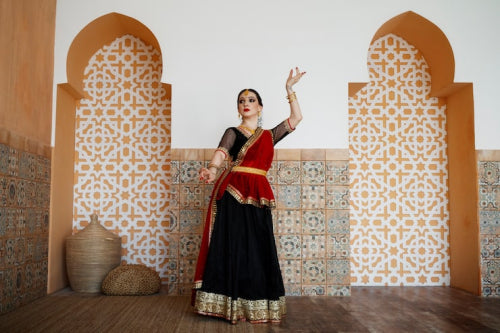
Traditional techniques continue to evolve as artisans, designers, and communities find new ways to keep heritage practices relevant in contemporary life. The story of craftsmanship is not only about preserving methods from the past; it is also about adaptation, experimentation, and responding to changing preferences. From handwoven textiles to decorative arts, traditional skills remain meaningful because they can carry cultural identity while taking on new forms. Understanding how traditional techniques evolve offers insight into why handmade products continue to connect with modern consumers who value authenticity, creativity, and thoughtful production.
Fast fashion erodes cultural heritage, sidelining artisans and reducing traditions to trends. At IndieHaat, we champion India's craftspeople with handcrafted sarees, apparel, décor, and skincare rooted in authenticity. Each piece embodies skill and ethical care. Support artisans and preserve India's timeless legacy Shop Now!
Why Traditional Techniques Must Adapt to Survive
Craft traditions are often associated with history, but their survival depends on their ability to remain connected to the present. Techniques passed through generations are not static processes. Artisans have always adjusted materials, designs, and methods based on available resources, customer needs, and cultural changes.
The evolution of Indian traditional crafts reflects this balance between continuity and innovation. Craftspeople preserve the essential character of their work while exploring new possibilities in colour, patterns, applications, and product formats. A weaving method, embroidery style, or artisan process can maintain its cultural foundation while becoming part of contemporary clothing, home interiors, and lifestyle products.
This approach helps traditional crafts remain relevant for new audiences. Consumers today often look beyond appearance and want to understand the story, skill, and human effort behind what they purchase. When artisans share these stories and adapt their creations thoughtfully, heritage craftsmanship becomes easier to appreciate in modern contexts.
The Relationship Between Heritage and Innovation
Traditional craftsmanship and innovation are not opposites. In many artisan communities, innovation has always been part of the creative process. New ideas often emerge from existing knowledge, allowing makers to solve practical challenges while maintaining the identity of their craft.
For example, artisans may introduce updated designs to appeal to contemporary tastes or explore new uses for familiar techniques. A traditional textile process may inspire modern apparel collections, while an established decorative method may find applications in home décor. These changes do not necessarily replace older practices; instead, they can create additional opportunities for craft knowledge to continue.
Research into craft communities highlights how heritage skills can develop when artisans have access to new markets, design opportunities, and stronger connections with consumers. The evolution of weaving traditions demonstrates how inherited knowledge can support creative livelihoods when combined with new approaches and broader market connections.
This relationship between tradition and innovation is particularly important for handmade industries. Without opportunities to evolve, some techniques risk becoming disconnected from everyday consumer needs. With thoughtful adaptation, however, traditional methods can continue to inspire new generations of creators and buyers.
How Traditional Crafts Adapt to Modern Times
Understanding how traditional crafts adapt to modern times requires looking at the changing relationship between artisans and consumers. Modern buyers increasingly seek products that represent individuality, cultural meaning, and responsible production. This creates space for craftspeople to present their work in ways that fit contemporary lifestyles.
Adaptation can take many forms. Some artisans experiment with new colour combinations, while others combine traditional processes with modern design concepts. Some explore different product categories, allowing techniques that were once limited to specific uses to reach wider audiences.
Digital platforms have also changed how consumers discover handmade products. Artisans and craft-focused brands can now communicate the background of a product, explain the making process, and highlight the people behind the work. This storytelling creates a stronger connection between the creator and the customer.
However, adaptation requires care. Traditional techniques gain value from their history and cultural context. Changes that remove the meaning behind a craft may weaken its connection with the community that created it. The most successful approaches respect the original knowledge while allowing room for creativity and practical improvement.
The Role of Artisan Communities in Preserving Craft Knowledge
Traditional techniques survive because of the people who practice and teach them. Artisan communities carry knowledge that often includes specialised skills, material understanding, and creative approaches developed over generations. Preserving these traditions means supporting the people who maintain them.
Craft preservation is not only about keeping finished products available. It also involves protecting the skills, techniques, and knowledge that make those products possible. Challenges such as declining numbers of practitioners, changing consumer preferences, and competition from mass-produced alternatives can make it difficult for some crafts to continue.
The importance of protecting craft knowledge can be seen in efforts to maintain specialised traditions around the world. The experience of craftspeople working to preserve weaving skills shows that heritage industries need support through education, storytelling, product development, and meaningful connections with customers. These efforts demonstrate the importance of reviving endangered craft skills while creating sustainable value for artisan communities.
Brands and marketplaces that work with handmade products can contribute by helping consumers understand the value behind each creation. When customers recognise the expertise involved in a product, craftsmanship becomes more than a design feature; it becomes a connection to culture, creativity, and human skill.
Traditional Craftsmanship in Contemporary Design
Modern design increasingly draws inspiration from heritage techniques because traditional methods offer depth, character, and a sense of authenticity. Designers often look to artisan practices for ideas that cannot be replicated through standardised production.
Heritage crafts in contemporary design demonstrate how older methods can contribute to new creative directions. A traditional pattern may influence a modern fashion piece, while an artisan technique may add uniqueness to a home accessory. These collaborations allow craft knowledge to participate in current design conversations without losing its original identity.
The growing appreciation for handmade products has also changed how people view craftsmanship. Consumers are becoming more interested in the process behind an item, including the materials used, the skills involved, and the cultural background that shaped the creation.
For the handmade sector, this shift creates opportunities to highlight the difference between meaningful craftsmanship and simple decoration. Products created through traditional methods often carry stories that connect people with places, communities, and generations of creative knowledge.
Challenges and Opportunities for the Future of Indian Handicrafts
The future of Indian handicrafts depends on finding a balance between preservation and progress. Traditional methods need support, but they also need opportunities to grow within modern markets. Keeping a craft alive does not mean freezing it in one form; it means allowing it to remain useful and valued.
One challenge is ensuring that younger generations see artisan skills as meaningful opportunities. When traditional crafts provide creative and economic possibilities, they are more likely to continue through future practitioners. Another challenge is helping consumers understand why handmade products often involve deeper processes than mass-produced alternatives.
There is also an opportunity to use modern communication tools to strengthen connections between artisans and audiences. Storytelling, digital visibility, and thoughtful presentation can help explain the cultural significance behind handmade products.
For consumers, choosing artisan-made products can become a way to support creative communities while bringing distinctive designs into everyday life. For brands, the focus is not simply on selling products but on creating awareness around the craftsmanship, knowledge, and traditions represented by each piece.
Keeping Tradition Alive Through Thoughtful Evolution
Traditional techniques remain relevant because they are capable of change. Their strength comes from a combination of history and adaptability, allowing artisans to protect important skills while responding to new creative possibilities.
The evolution of Indian traditional crafts shows that heritage and modernity can exist together. When artisans, designers, businesses, and consumers value both the past and the possibilities of the future, traditional craftsmanship can continue to inspire meaningful products and experiences.
For audiences interested in handmade fashion, accessories, and artisan-created goods, understanding this evolution adds another layer of appreciation. Each creation represents not only a design choice but also the continued journey of a technique, a community, and the people who keep craftsmanship alive.
Frequently Asked Questions
How do traditional techniques adapt to modern times?
Traditional techniques adapt to modern times by combining heritage knowledge with new designs, materials, applications, and consumer preferences. Artisans often preserve the core identity of their craft while exploring contemporary approaches that make handmade products relevant for today's lifestyles.
Why is the evolution of Indian traditional crafts important?
The evolution of Indian traditional crafts helps preserve cultural knowledge while creating new opportunities for artisans and communities. By adapting traditional methods through innovation and storytelling, crafts can continue to connect with modern consumers who value authenticity and craftsmanship.
How does traditional craftsmanship influence contemporary design?
Traditional craftsmanship influences contemporary design by bringing unique techniques, cultural stories, and handmade character into modern fashion and lifestyle products. Designers and artisans use heritage methods as inspiration while creating pieces that fit current tastes and everyday needs.
Disclaimer: The above helpful resources content contains personal opinions and experiences. The information provided is for general knowledge and does not constitute professional advice.
You may also be interested in: Comparing Regional Saree Weaves and Techniques - Indiehaat.com
Fast fashion erodes cultural heritage, sidelining artisans and reducing traditions to trends. At IndieHaat, we champion India's craftspeople with handcrafted sarees, apparel, décor, and skincare rooted in authenticity. Each piece embodies skill and ethical care. Support artisans and preserve India's timeless legacy Shop Now!
Powered by flareAI.co