Why Handmade, Ethical Products Are Worth the Investment in Todays Fashion Market
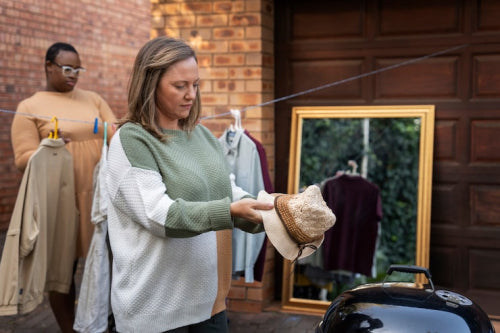
In an era dominated by fast fashion's endless cycle of cheap, disposable clothing garments that flood closets only to end up in landfills after a few wears a profound shift is underway. Consumers are increasingly scrutinizing the real price of bargain buys, weighing not just the dollars spent but the toll on the environment and the workers involved. This growing discernment signals more than a passing trend; it's a fundamental reevaluation of consumption habits backed by compelling data. Delving into why handmade, ethical products represent a smart investment in the current fashion landscape reveals that prioritizing quality and conscience over quantity is no longer optional it's imperative for a viable future.
Fast fashion erodes cultural heritage, sidelining artisans and reducing traditions to trends. At IndieHaat, we champion India's craftspeople with handcrafted sarees, apparel, décor, and skincare rooted in authenticity. Each piece embodies skill and ethical care. Support artisans and preserve India's timeless legacy Shop Now!
The Explosive Growth of Sustainable Fashion
The statistics paint an undeniable picture of transformation. In 2024, the global sustainable fashion market reached USD 9.22 billion, with projections estimating it will surge to USD 64.4 billion by 2033 a robust compound annual growth rate (CAGR) of 22.70% starting from 2025. This rapid expansion is fueled by escalating consciousness around ethical manufacturing, advancements in environmentally friendly materials, supportive government policies encouraging accountability, the boom in resale channels, and a collective push toward minimizing ecological harm via mindful buying.
Resale has emerged as a powerhouse within this space. An industry report from December 19, 2024, noted that expenditures on resale apparel, accessories, and footwear surpassed those in conventional retail channels throughout 2024, propelled by shopper's emphasis on sustainability, economic value, and distinctive appeal. Notably, individuals aged 25 to 44 increased their share of resale spending by 6% compared to the prior year, with middle-income households playing a pivotal role.
Demographic trends further underscore this momentum. A 2024 YouGov survey highlighted stark generational differences in the U.S.: 50% of Gen Z and 44% of Millennials associate fast fashion with environmental disregard, while two-thirds express readiness to pay more for durable, transparently sourced items. In Europe, adoption rates impress 48.8% of French consumers purchased sustainable fashion products that year, climbing to 64.9% among German 18-24-year-olds and 65.7% for the same age group in the UK. These patterns reflect a broader reshaping of the industry, influenced by initiatives like EU textile circularity mandates and regional recycling requirements.
Adjacent segments reinforce the trajectory. The ethical fashion market advanced from USD 8.07 billion in 2024 to USD 8.58 billion in 2025, on course to hit USD 13.53 billion by 2032 amid strategic emphases on resilient supply chains and regulatory compliance. Meanwhile, the upcycled apparel sector, which repurposes waste into new garments, stood at USD 5.73 billion in 2024, forecasted to grow to USD 6.23 billion in 2025 and USD 11.48 billion by 2032 at a 7.94% CAGR, with North America holding a 30.72% share.
The Distinct Appeal of Handmade and Ethical Creations
Central to this evolution are handmade products, meticulously produced by artisans employing traditional methods rather than industrial assembly lines. These items are sourced directly from makers, boasting one-of-a-kind designs that defy the homogeneity of mass production. They prioritize genuine, natural fabrics linen, silk, and cotton that offer superior breathability, durability, and biodegradability compared to petroleum-based synthetics.
This model champions equity and authenticity. Direct sourcing eliminates predatory intermediaries, guaranteeing artisans receive fair compensation and work in dignified conditions. Every piece carries echoes of cultural legacy and personal craftsmanship, elevating it beyond mere apparel. Such qualities align seamlessly with rising demand for individuality and reduced ecological footprints, as consumers seek wardrobe staples that endure seasons rather than succumb to trends.
Ethical brands position their offerings as long-term assets. A well-crafted handmade garment can far outlast multiple low-cost counterparts, ultimately proving more economical while curbing overconsumption. This value proposition gains traction amid ongoing economic pressures, where durability translates to genuine savings.
Addressing Persistent Consumer Concerns
Despite the upside, barriers persist. Premium pricing frequently deters potential buyers why invest significantly in one piece when inexpensive options abound? The counterargument lies in lifecycle economics: superior construction yields lower cost per use over time. Amid lingering inflation, resale platforms provide an accessible entry point, allowing shoppers to acquire high-quality items affordably while extending garment lifespans.
Trust remains another hurdle in a landscape rife with misleading claims. Verifying authenticity demands scrutiny: seek brands offering comprehensive provenance details, third-party certifications, and traceable supply chains. Social channels like Instagram, Facebook, and YouTube prove invaluable here, enabling direct glimpses into artisan workshops, production processes, and real-user experiences that foster genuine confidence.
The inability to physically examine products before purchase also looms large for online shoppers. Forward-thinking solutions mitigate this advanced virtual fitting technologies, flexible returns, fabric swatches, and immersive content like detailed videos help bridge the gap, making remote buying feel more assured and intuitive.
Price sensitivity intersects with sustainability goals in telling ways. Research from Mintel indicates that in 2024, economic caution prompted many to buy fewer items overall, turning to second-hand markets not only for savings but to align spending with environmental values. Over half of UK and German consumers deem sustainability vital in fashion decisions, yet budgets often constrain choices highlighting resale's dual role in affordability and waste reduction.
Wider Ramifications for Environment, Economy, and Society
Choosing handmade ethics extends far beyond individual benefits, driving meaningful systemic progress. Environmentally, it counters fast fashion's devastating legacy of massive landfill contributions and resource depletion. Opting for natural materials and upcycled designs substantially cuts water consumption, toxic discharges, and greenhouse gases.
The European Union's 2023 Strategy for Sustainable and Circular Textiles exemplifies regulatory momentum, integrating mandates to curb waste and boost efficiency across the sector. Initiatives like resale programs and innovative recycling further close loops, preventing usable items from premature disposal.
On the economic front, these practices bolster artisan communities worldwide, providing stable livelihoods and safeguarding traditional skills against globalization's erosive forces. Socially, they cultivate inclusivity, amplifying diverse voices and aesthetics in an industry often criticized for uniformity.
As inflation eases and awareness deepens, second-hand and circular models are poised for continued ascent, blending fiscal prudence with planetary stewardship.
Embracing a More Intentional Wardrobe
Ultimately, each buying decision casts a ballot for the kind of world we want. In today's dynamic fashion market, selecting handmade, ethical products transcends style it's an act of stewardship for personal finances, global ecosystems, and human dignity. The evidence is overwhelming: markets are expanding rapidly, driven by informed consumers demanding better. When faced with the allure of fleeting bargains, reflect on the enduring worth of thoughtful investments. A conscious closet not only elevates your daily life but contributes to a healthier, more equitable industry for generations ahead.
Frequently Asked Questions
Why is sustainable fashion worth the higher price compared to fast fashion?
Sustainable and handmade fashion represents a smarter long-term investment through superior durability and lower cost-per-wear over time. While fast fashion items are inexpensive upfront, they typically last only a few wears before ending up in landfills, whereas well-crafted ethical garments can outlast multiple cheap counterparts. Additionally, choosing sustainable options supports fair wages for artisans, uses eco-friendly natural materials, and significantly reduces environmental harm from water consumption, toxic discharges, and textile waste.
How big is the sustainable fashion market and is it really growing?
The sustainable fashion market is experiencing explosive growth, reaching USD 9.22 billion in 2024 and projected to surge to USD 64.4 billion by 2033 a remarkable 22.70% compound annual growth rate. This expansion is driven by younger consumers (50% of Gen Z and 44% of Millennials prioritize sustainability), the booming resale market that surpassed conventional retail spending in 2024, and supportive government policies like the EU's textile circularity mandates. Adjacent sectors like ethical fashion and upcycled apparel are also showing strong growth, confirming this shift is a fundamental market transformation rather than a passing trend.
How can I verify that handmade or ethical fashion brands are authentic and not greenwashing?
To ensure authenticity when shopping for ethical fashion, look for brands that provide comprehensive provenance details, third-party certifications, and fully traceable supply chains. Social media platforms like Instagram, Facebook, and YouTube are invaluable for verifying claims, as they offer direct glimpses into artisan workshops, production processes, and real customer experiences. Additionally, seek out brands that offer transparency through detailed storytelling about their makers, fair compensation practices, and the use of genuine natural fabrics like linen, silk, and organic cotton rather than petroleum-based synthetics.
Disclaimer: The above helpful resources content contains personal opinions and experiences. The information provided is for general knowledge and does not constitute professional advice.
You may also be interested in: The Growing Intersection of Artisan Fashion and Sustainability
Fast fashion erodes cultural heritage, sidelining artisans and reducing traditions to trends. At IndieHaat, we champion India's craftspeople with handcrafted sarees, apparel, décor, and skincare rooted in authenticity. Each piece embodies skill and ethical care. Support artisans and preserve India's timeless legacy Shop Now!
Powered by flareAI.co