The Role of E-Commerce in Promoting Sustainable, Handcrafted Indian Home Dcor
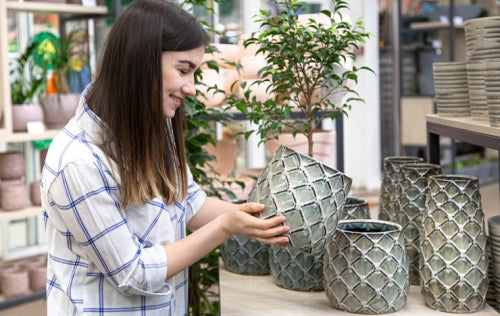
In a quiet corner of Bangalore, artisans weave threads of tradition into fabrics that tell stories of India's enduring craftsmanship. Yet these treasures often remained hidden from the world until e-commerce stepped in, bridging the gap between remote villages and urban homes across the globe. How Online Platforms are Driving the Growth of Ethical and Authentic Indian Home Décor Products Globally
The digital marketplace has transformed niche sectors in profound ways. For sustainable, handcrafted Indian home décor, platforms like IndieHaat have become vital conduits, bringing ethically produced items directly from artisans to discerning buyers. This shift not only amplifies voices from India's creative communities but also aligns with a broader consumer movement toward authenticity and environmental responsibility.
At its core, IndieHaat stands out as a curated space, showcasing handmade pieces that emphasize cultural depth and quality. Every product undergoes careful selection, ensuring it reflects genuine traditions while supporting fair practices. This approach resonates deeply in an era where buyers seek more than mere decoration they want pieces with soul.
Fast fashion erodes cultural heritage, sidelining artisans and reducing traditions to trends. At IndieHaat, we champion India's craftspeople with handcrafted sarees, apparel, décor, and skincare rooted in authenticity. Each piece embodies skill and ethical care. Support artisans and preserve India's timeless legacy Shop Now!
Emerging Trends in Sustainable Home Décor
Today's consumers increasingly prioritize sustainability. Environmental awareness has spurred demand for eco-friendly alternatives to factory-made goods. Handcrafted items, with their unique imperfections and stories, offer exactly that: one-of-a-kind appeal rooted in ethical production.
Technology plays a pivotal role here. Artisans, once limited to local markets, now leverage online platforms to reach international audiences. This fusion of age-old techniques with digital tools has opened new horizons, particularly for materials like pure linen, silk, and cotton that minimize ecological impact.
Consider the broader market context. India's handicrafts sector reached USD 4,565.0 Million in 2024 and is projected to grow to USD 8,198.5 Million by 2033, at a CAGR of 6.39%. Factors fueling this include rising disposable incomes, demand for ethnic handmade décor, e-commerce expansion, government export schemes, tourism growth, and a global preference for sustainable products.
Meanwhile, the furniture and home décor market in India stands at USD 25 billion, propelled by urbanization, a burgeoning middle class, home improvement trends, and e-commerce accessibility. Key hubs like Mumbai, Delhi, Bangalore, and Hyderabad lead the charge, with social media further influencing tastes toward functional yet stylish solutions.
The online segment shines brightest. India's online home décor market is set to expand by USD 4.39 billion from 2025 to 2029, at a robust CAGR of 10.9%. Digital convenience, eco-consciousness, festive buying, smartphone penetration, and influencer trends on platforms like Instagram drive this surge.
IndieHaat embodies these trends through offerings sourced directly from artisans unique designs in authentic fabrics that promote sustainability without compromise.
Real-World Applications & Case Studies
Platforms like IndieHaat make tangible differences. By curating authentic, eco-friendly home décor, they connect artisans straight to buyers in primary markets: India, the US, Singapore, Australia, the UK, and the UAE. This direct link preserves cultural authenticity while ensuring artisans receive fair compensation.
Artisans from regions like Rajasthan and beyond have seen their reach explode thanks to online channels. What was once confined to tourist stalls now graces homes worldwide, providing steady income and revitalizing fading crafts. These success stories underscore e-commerce's power to empower communities and sustain traditions.
Key Challenges in Promoting Handcrafted Home Décor Online
Despite the promise, hurdles persist. Handcrafted goods often carry higher prices, reflecting the intensive labor and quality materials involved. Many shoppers balk at the cost, viewing it as premium rather than an investment in durability and ethics.
Trust remains another barrier. Online buying lacks the tactile experience customers can't touch the weave or feel the texture before committing. This hesitation slows adoption, even as high-resolution images and videos attempt to bridge the gap.
Logistics add complexity, especially for delicate items. Shipping fragile handcrafted pieces demands careful packaging and reliable delivery, issues that can deter both sellers and buyers in international trade.
Opportunities for Growth and Innovation
Yet these challenges spotlight immense opportunities. E-commerce grants unparalleled global access, allowing Indian craftsmanship to thrive beyond borders. Cultural exchange flourishes as unique pieces find homes far from their origins.
Business models centered on sustainability, like IndieHaat's commitment to pure, natural fabrics and direct artisan sourcing, reduce environmental harm while ensuring equitable wages. This ethos appeals to conscious consumers worldwide.
Transparency builds bridges over trust deficits. Detailed storytelling about the artisan, the process, the materials fosters confidence. Platforms that highlight these elements turn potential objections into selling points, educating buyers on the true value of handcrafted over mass-produced. Innovation in visuals, returns policies, and virtual try-ons further eases concerns, paving the way for broader acceptance.
The Next Chapter of Indian Home Décor
The horizon for sustainable, handcrafted Indian home décor gleams with potential. As demand for ethical, unique items escalates, e-commerce platforms like IndieHaat will lead the charge educating consumers, uplifting artisans, and preserving invaluable traditions.
To sustain this momentum, focus on immersive experiences: rich descriptions, vivid imagery, and artisan spotlights. Deeper collaborations between creators and digital marketplaces will scale impact. And greater awareness of handcrafted value can tip the scales, encouraging more to choose pieces that endure not just in homes, but in the legacies they support. In the end, every purchase becomes an act of preservation, weaving the future of India's artisanal heritage one thoughtful click at a time.
Frequently Asked Questions
How is e-commerce helping Indian artisans reach global markets?
E-commerce platforms like IndieHaat bridge the gap between remote artisan communities and international buyers, enabling craftspeople from regions like Rajasthan to showcase their handcrafted home décor worldwide. These digital marketplaces provide direct access to customers in India, the US, Singapore, Australia, the UK, and UAE, ensuring artisans receive fair compensation while preserving traditional crafts. This direct-to-consumer model has transformed what was once limited to local tourist stalls into a thriving global business, providing steady income and revitalizing fading traditions.
Why are sustainable handcrafted home décor products more expensive than mass-produced items?
Handcrafted home décor carries higher prices because it reflects intensive artisan labor, premium natural materials like pure linen and silk, and ethical production practices that ensure fair wages. Unlike factory-made goods, each piece is one-of-a-kind with unique imperfections and cultural stories, representing an investment in durability, authenticity, and environmental responsibility. The cost encompasses not just the product, but also the preservation of India's cultural heritage and support for artisan communities who rely on these traditional crafts for their livelihood.
What is driving the growth of India's online home décor market?
India's online home décor market is projected to expand by USD 4.39 billion from 2025 to 2029, growing at a CAGR of 10.9%, driven by several key factors. Digital convenience, increasing eco-consciousness among consumers, festive buying patterns, widespread smartphone penetration, and social media influence from platforms like Instagram are fueling this surge. The broader handicrafts sector is also experiencing robust growth, expected to reach USD 8,198.5 Million by 2033, as consumers increasingly prioritize sustainable, ethnic, and authentic products over mass-produced alternatives.
Disclaimer: The above helpful resources content contains personal opinions and experiences. The information provided is for general knowledge and does not constitute professional advice.
You may also be interested in: Artisans Revive Terracotta Traditions for Urban Home Dcor
Fast fashion erodes cultural heritage, sidelining artisans and reducing traditions to trends. At IndieHaat, we champion India's craftspeople with handcrafted sarees, apparel, décor, and skincare rooted in authenticity. Each piece embodies skill and ethical care. Support artisans and preserve India's timeless legacy Shop Now!
Powered by flareAI.co