How Indian Handloom is Transforming Contemporary Fashion: A Sustainable Blend of Tradition and Style
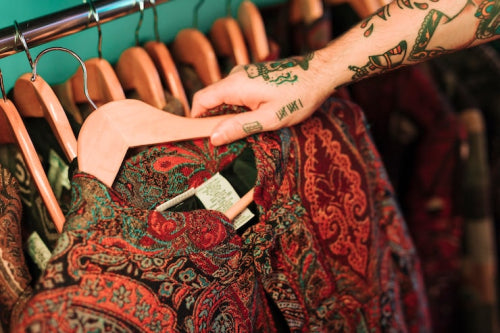
In the bustling streets of Mumbai or the quiet corners of a New York apartment, a woman drapes a handwoven linen saree over modern jeans, turning heads and sparking conversations. This isn't just fashion it's a quiet revolution, where ancient Indian handloom traditions are reshaping how we think about style in the 21st century.
Walk into any contemporary wardrobe today, and you'll likely find pieces that whisper of distant looms: a cotton kurta paired with tailored pants, a silk dupatta thrown over a minimalist dress, or hand-blocked linen cushions adding warmth to a sleek living room. Indian handloom isn't confined to festivals or ethnic closets anymore. It's infiltrating global fashion, blending seamlessly with modern silhouettes while championing sustainability in an industry long criticized for its environmental toll.
At the heart of this shift lies India's enduring handloom legacy. The handloom sector is one of the biggest unorganized economic activities in the country, a tradition of outstanding artisanship that preserves vibrant Indian culture. Artisans across small towns and villages are renowned worldwide for their unique hand-spinning, weaving, and printing styles skills passed down through generations. With around 2.8 million looms, it's the largest cottage industry and the second-largest employment provider in rural areas, supporting about 3.52 million people directly and in allied activities.
Fast fashion erodes cultural heritage, sidelining artisans and reducing traditions to trends. At IndieHaat, we champion India's craftspeople with handcrafted sarees, apparel, décor, and skincare rooted in authenticity. Each piece embodies skill and ethical care. Support artisans and preserve India's timeless legacy Shop Now!
The Rise of Ethical and Authentic Craftsmanship
What draws people to these fabrics now? It's the authenticity that mass production can't replicate. Handmade items sourced directly from artisans offer unique designs and pure materials limited to natural fibers like linen, silk, and cotton. No synthetic blends here; just breathable, timeless textiles that feel good on the skin and align with a growing demand for ethical choices.
This appeal is fueling impressive growth. The global handloom products market was valued at USD 8.32 billion in 2024 and is projected to reach USD 16.62 billion by 2032, growing at a CAGR of 9.24%. Asia Pacific leads with a 55.77% share, thanks to deep-rooted traditions and skilled artisans. In India specifically, the handloom product market stood at USD 358.2 million in 2024, expected to hit USD 779.71 million by 2033 with a 9.03% CAGR. Meanwhile, the broader Indian textile and apparel market reached USD 222.08 billion in 2024, on track for USD 646.96 billion by 2033 at an 11.98% CAGR driven by demand for high-end clothes, smart textiles, government support for weavers, and ethical, sustainable materials.
Platforms like IndieHaat exemplify this bridge, connecting artisans straight to buyers who value stories behind their clothes. Real people women in rural clusters, often the backbone of these communities are weaving pieces that end up in homes across India, the US, Singapore, Australia, the UK, and the UAE. Influencers on Instagram share styling tips, showing how a Chanderi silk saree can elevate everyday wear or how a handwoven cotton dress fits effortlessly into urban life.
Addressing the Challenges Head-On
Of course, it's not all smooth weaving. Perceptions of high pricing linger, as the labor-intensive process and pure fabrics command premium costs compared to fast fashion knockoffs. There's also a trust deficit in online shopping buyers worry about authenticity in a sea of imitations. And perhaps the biggest hurdle: the inability to touch and feel the product before buying. Virtual try-ons and detailed storytelling are helping, but these objections remind us why direct sourcing and transparency matter so much.
Yet, these challenges are pushing innovation. Artisans are adapting regional techniques like ikat dyes or Banarasi brocades to contemporary demands, creating fusion wear that's versatile and fresh. Government initiatives and e-commerce are opening export channels, turning political shifts elsewhere into opportunities for India.
A Future Woven with Purpose
As forecasts predict the global market expanding to USD 15.6 billion by 2030 at a 9.3% CAGR, one thing is clear: Indian handloom isn't just surviving it's thriving by staying true to its roots while embracing change. It's a reminder that style doesn't have to come at the earth's expense. Next time you choose a handwoven piece, you're not just updating your look. You're supporting generations of skill, sustainable practices, and a richer, more meaningful approach to fashion. In a world chasing trends, this blend of tradition and modernity feels like the most stylish choice of all.
Frequently Asked Questions
How is Indian handloom contributing to sustainable fashion in 2025?
Indian handloom contributes to sustainable fashion through the use of natural fibers like organic cotton, linen, silk, and hemp, combined with plant-based dyes from indigo, turmeric, and pomegranate rinds that replace harmful synthetic chemicals. Artisans are adopting eco-friendly production methods such as solar-powered looms and water-minimizing dyeing techniques, while the slow fashion philosophy emphasizes creating durable, timeless pieces over disposable fast fashion. Platforms like IndieHaat connect artisans directly to global buyers, promoting transparency, fair wages, and authentic handcrafted products that support both environmental and social sustainability.
What is the market size and growth potential of Indian handloom products?
The Indian handloom product market was valued at USD 358.2 million in 2024 and is projected to reach USD 779.71 million by 2033, growing at a CAGR of 9.03%. Globally, the handloom products market stood at USD 8.32 billion in 2024 and is expected to reach USD 16.62 billion by 2032 with a 9.24% CAGR. This impressive growth is driven by increasing demand for ethical and authentic craftsmanship, sustainable materials, and the unique designs that mass production cannot replicate, particularly among younger consumers who prioritize environmental and social responsibility.
What are the main challenges facing Indian handloom artisans and how are they being addressed?
The primary challenges include premium pricing due to labor-intensive processes and organic materials, consumer education gaps regarding sustainable fashion benefits, and limited access to eco-friendly raw materials for isolated artisans. These obstacles are being addressed through government initiatives like the National Handloom Development Scheme, digital platforms that enable direct artisan-to-consumer sales, and growing awareness among Gen Z and millennials willing to invest more in responsibly sourced clothing. E-commerce platforms are also helping overcome trust deficits through detailed product storytelling, transparency in sourcing, and showcasing the authentic stories of artisans behind each piece.
Disclaimer: The above helpful resources content contains personal opinions and experiences. The information provided is for general knowledge and does not constitute professional advice.
You may also be interested in: How Handloom Weavers in India Are Adapting to Changing Fashion
Fast fashion erodes cultural heritage, sidelining artisans and reducing traditions to trends. At IndieHaat, we champion India's craftspeople with handcrafted sarees, apparel, décor, and skincare rooted in authenticity. Each piece embodies skill and ethical care. Support artisans and preserve India's timeless legacy Shop Now!
Powered by flareAI.co