What to Look for in Authentic Handcrafted Fashion
Quick Listen:
Authentic handcrafted fashion is defined by more than the appearance of a garment. The details behind a piece the materials, techniques, makers, and time invested in creating it reveal whether it represents genuine craftsmanship or simply imitates a handmade aesthetic. For shoppers who value meaningful clothing choices, understanding what makes a product truly handcrafted can help them identify pieces with cultural depth, quality, and lasting appeal.
As interest in conscious fashion grows, buyers are looking beyond surface-level labels such as “handmade” or “artisan.” They want to understand the story behind what they wear: who created it, how it was made, and why the process matters. Learning how to identify handmade clothing involves paying attention to craftsmanship, construction, sourcing, and the traditions that shape each piece.
Fast fashion erodes cultural heritage, sidelining artisans and reducing traditions to trends. At IndieHaat, we champion India's craftspeople with handcrafted sarees, apparel, décor, and skincare rooted in authenticity. Each piece embodies skill and ethical care. Support artisans and preserve India's timeless legacy Shop Now!
Look Beyond the “Handmade” Label
The word “handmade” can communicate care and craftsmanship, but the label alone does not always explain the process behind a product. Authentic handcrafted fashion is built around human skill, specialised techniques, and thoughtful production methods that often require years of experience.
A genuine artisan-made garment usually carries visible signs of the maker's work. Slight variations in texture, patterns, stitching, or colour may reflect the individuality of a handcrafted process rather than a manufacturing flaw. These details help distinguish a carefully created piece from clothing produced to achieve a uniform appearance at scale.
When evaluating a garment, shoppers can look for information about the technique used, the materials selected, and the people involved in its creation. A brand that shares meaningful details about craftsmanship provides greater transparency and helps customers understand the value behind the product.
Understand the Craftsmanship Behind the Garment
Traditional Indian textile craftsmanship is shaped by generations of knowledge passed between artisans and communities. Techniques such as weaving, embroidery, dyeing, and fabric preparation often represent regional identities and cultural histories that extend beyond fashion trends.
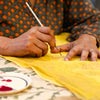
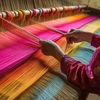
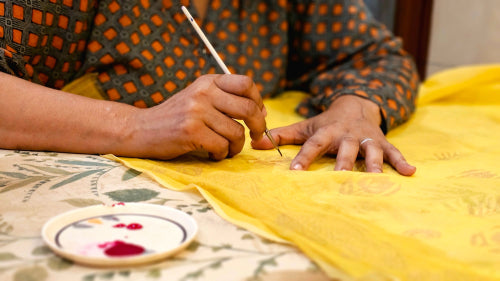
Authentic handcrafted fashion often reflects the relationship between the artisan, the material, and the method. A handwoven textile may carry unique characteristics created by the weaving process, while hand embroidery can reveal the patience and precision required to develop detailed patterns.
Research into handcrafted fashion traditions highlights how designers and artisans continue to preserve traditional techniques while adapting them for contemporary consumers. Indian artisan fashion traditions demonstrate that craftsmanship is connected not only to the finished garment but also to cultural knowledge, responsible production approaches, and the expertise of makers.
For shoppers, recognising these elements creates a deeper appreciation of clothing. Instead of viewing fashion only as a seasonal purchase, they can see each handcrafted item as an expression of skill, heritage, and creative identity.
Examine Materials, Techniques, and Construction Details
One of the most effective ways to identify genuine artisan-made fashion is to examine how a piece has been created. Materials and construction choices often reveal the level of attention involved in production.
Pay Attention to Fabric Quality
The choice of fabric can provide important clues about craftsmanship. Natural fibres, carefully selected textiles, and traditional fabric treatments may indicate that greater attention has been given to the making process. The feel, weight, and texture of a garment can help shoppers understand whether it has been thoughtfully produced.
Observe Finishing Details
Small details often separate handcrafted pieces from mass-produced alternatives. Look at stitching, borders, embroidery placement, surface patterns, and finishing techniques. Handmade products may show subtle differences because they are created through individual processes rather than automated repetition.
Learn About Traditional Methods
Understanding common artisan techniques makes it easier to recognise authentic work. A shopper does not need to become a textile expert, but knowing the basics of weaving, dyeing, embroidery, and decorative methods can make the buying process more informed.
A thoughtful purchase begins with curiosity. Asking questions about the process behind a garment helps consumers identify products that represent genuine craftsmanship.
Consider the Story Behind the Supply Chain
Authentic handcrafted fashion is also connected to transparency. A garment's journey from material selection to final creation can reveal whether it reflects meaningful artisan collaboration or simply uses handmade-inspired styling.
Consumers interested in sustainable handcrafted fashion can look for brands that provide clear information about their production approach, artisan relationships, and sourcing practices. Details about makers and techniques help shoppers understand the human contribution behind each piece.
Fashion businesses are increasingly exploring production models that recognise the role of local craft communities and traditional makers. Ethical artisan supply chains show how transparency and collaboration can help preserve specialised skills while creating stronger connections between creators and consumers.
A clear maker story does not need to be complicated. Even simple information about who created a piece, how it was produced, and what techniques were used can help customers make more meaningful decisions.
Recognise the Difference Between Craft and Imitation
As interest in handmade aesthetics increases, some products may adopt visual elements associated with craftsmanship without using traditional artisan processes. This makes it important for shoppers to look deeper than appearance alone.
An item may feature embroidery-inspired patterns, traditional motifs, or handcrafted-style finishes while still being produced through standard manufacturing methods. The key difference is the process behind the design.
- Does the brand explain how the product was made?
- Are the techniques and materials clearly described?
- Is there information about the artisans or craft communities involved?
- Does the product show evidence of careful workmanship?
These questions help shift the focus from simply buying a style to understanding the value of craftsmanship.
Choose Pieces That Reflect Long-term Value
Handcrafted fashion encourages a different approach to consumption. Instead of focusing only on frequent changes in trends, shoppers can consider the durability, emotional connection, and cultural significance of each piece.
A well-crafted garment can become part of a personal collection because it carries a story that extends beyond its appearance. The uniqueness of handmade work often comes from the combination of traditional knowledge, skilled labour, and creative expression.
Choosing authentic handcrafted pieces also supports the continuation of specialised techniques. When consumers value craftsmanship, they contribute to maintaining traditions that depend on skilled makers and community knowledge.
For anyone exploring an artisan fashion buying guide, the most important factor is awareness. Understanding how a product was created allows shoppers to recognise quality and choose items that align with their values.
Making More Informed Handcrafted Fashion Choices
Authentic handcrafted fashion is not defined by a single feature. It is the combination of thoughtful materials, skilled techniques, transparent production, and respect for the people behind the product. Learning how to tell if clothing is handmade helps shoppers move beyond labels and appreciate the expertise involved in every creation.
For conscious consumers, the search for meaningful fashion begins with understanding. By looking closely at craftsmanship, asking questions about origins, and recognising traditional methods, buyers can discover clothing that represents creativity, heritage, and responsible choices.
For a curated marketplace focused on authentic Indian handcrafted apparel, accessories, and artisan-made products, this understanding forms the foundation of helping customers connect with products that reflect the skill and stories of their makers.
Frequently Asked Questions
How can you identify authentic handcrafted fashion?
Authentic handcrafted fashion can be identified by looking at the materials, techniques, finishing details, and information about the makers behind the product. Signs such as handwoven textures, unique stitching, traditional methods, and transparent craftsmanship details can help distinguish genuine artisan work from mass-produced imitations.
What should I look for when buying handmade clothing?
When buying handmade clothing, consider the fabric quality, construction details, artisan techniques, and the story behind the garment. A clear explanation of sourcing, production methods, and craftsmanship can help you choose pieces with genuine value and cultural significance.
What makes traditional Indian textile craftsmanship unique?
Traditional Indian textile craftsmanship reflects generations of knowledge passed through artisan communities using techniques such as weaving, embroidery, and dyeing. These methods create garments with distinctive textures, cultural connections, and the human touch that sets handcrafted fashion apart.
Disclaimer: The above helpful resources content contains personal opinions and experiences. The information provided is for general knowledge and does not constitute professional advice.
You may also be interested in: Trusting the Thread: Artisan Sourcing Processes Explained
Fast fashion erodes cultural heritage, sidelining artisans and reducing traditions to trends. At IndieHaat, we champion India's craftspeople with handcrafted sarees, apparel, décor, and skincare rooted in authenticity. Each piece embodies skill and ethical care. Support artisans and preserve India's timeless legacy Shop Now!
Powered by flareAI.co