How to Choose the Right Saree Fabric for Every Occasion
Quick Listen:
Choosing the right saree fabric is about more than selecting a beautiful colour or design. The material influences how a saree feels, drapes, moves, and performs throughout an occasion. From wedding celebrations and festive gatherings to professional events and everyday wear, each setting calls for different qualities in a fabric. Understanding the differences between silk, cotton, linen, chiffon, and other materials helps shoppers make thoughtful choices that balance tradition, comfort, and personal style. This guide, , explores the key factors that make each fabric suitable for different moments.
Fast fashion erodes cultural heritage, sidelining artisans and reducing traditions to trends. At IndieHaat, we champion India's craftspeople with handcrafted sarees, apparel, décor, and skincare rooted in authenticity. Each piece embodies skill and ethical care. Support artisans and preserve India's timeless legacy Shop Now!
Why Saree Fabric Choice Matters
A saree's fabric shapes the overall wearing experience. The same design can create a completely different impression depending on whether it is woven in a rich silk, a breathable cotton, or a lightweight flowing material. Fabric affects the fall of the saree, the ease of movement, the level of structure, and how comfortable it feels during extended wear.
For many saree buyers, the decision is not only about appearance. Factors such as climate, event duration, maintenance preferences, and the desired style all influence the right choice. A fabric that works beautifully for a formal evening celebration may not provide the same comfort for a daytime gathering or regular wear.
Understanding textile qualities also allows shoppers to appreciate the craftsmanship behind each saree. The value of a saree is often connected to elements such as fibre selection, weaving methods, finishing details, and the skill involved in creating the final piece. These considerations help buyers move beyond surface-level choices and select fabrics that match their lifestyle and occasion.
Understanding the Different Types of Saree Fabrics
Learning about types of saree fabrics makes it easier to compare options and identify what works best for a particular need. Every fabric has its own character, from luxurious textures to lightweight comfort.
Silk Sarees for Traditional and Grand Occasions
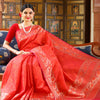
Silk remains one of the most recognised traditional saree fabrics because of its rich appearance, elegant drape, and connection with celebrations. Its natural sheen gives sarees a formal look that often suits weddings, festive events, and important family occasions.
Many buyers choose silk when they want a saree that feels special and can become a treasured wardrobe piece. The structure of silk allows detailed weaving, decorative borders, and traditional motifs to stand out. When selecting a silk saree, consider the weight of the fabric, the type of weave, and whether the material matches the length of time you expect to wear it.
Cotton Sarees for Everyday Comfort
Cotton is valued for its breathability and comfort, making it a practical choice for daily wear, daytime functions, and warmer weather. A cotton saree offers a relaxed elegance with a softer feel and an easy drape.
For shoppers comparing comfortable saree fabrics for daily wear, cotton often provides a balance between traditional style and practicality. It can be easier to manage during long days while still offering opportunities to explore different regional weaves, patterns, and textures.
Lighter Fabrics for Effortless Draping
Fabrics such as chiffon and other lightweight materials are popular among those who prefer a fluid silhouette and a lighter feel. These options can create an elegant appearance with minimal bulk, making them suitable for social gatherings, contemporary styling, and occasions where ease of movement is important.
When choosing lighter fabrics, buyers should consider the level of support, the type of embellishment, and how the saree will be styled. A fabric's ability to maintain its shape and comfort throughout an event can make a significant difference.
Choosing the Best Saree Fabric for Different Occasions
The best saree fabric for different occasions depends on the mood of the event, the expected level of formality, and personal comfort preferences. Instead of choosing only based on appearance, consider how the saree will be worn and experienced.
- Weddings and formal celebrations: Richer fabrics such as silk are often preferred for their elegance, traditional appeal, and ability to create a statement look.
- Festivals and cultural events: Handcrafted textiles and traditional materials can add depth and meaning to festive dressing while highlighting heritage techniques.
- Professional settings: Lightweight cotton, linen, and softly structured fabrics can offer a polished appearance while remaining comfortable throughout the day.
- Casual gatherings: Easy-to-wear fabrics with relaxed drapes can provide a balance of style and convenience.
Occasion-based selection is also about personal expression. Some shoppers may prefer the grandeur of silk for celebrations, while others may choose breathable fabrics because they prioritise movement and comfort. The right fabric is the one that supports both the event and the wearer's confidence.
How to Select Saree Material Based on Lifestyle and Climate
A practical saree fabric guide for beginners should consider how a saree fits into everyday life. A fabric that looks attractive in a photograph may feel different when worn for several hours. Thinking about climate, travel, maintenance, and frequency of use can help shoppers make more satisfying decisions.
For warmer conditions, breathable materials can provide comfort during extended wear. For formal occasions where a structured appearance is desired, heavier fabrics may create a more traditional silhouette. Those who prefer easy maintenance may look for fabrics that align with their routine and storage preferences.
Climate is only one part of the decision. The occasion, styling choices, and personal familiarity with different materials are equally important. Someone purchasing their first saree may benefit from starting with a versatile fabric that is comfortable to wear and easy to style before exploring more specialised textiles.
What to Look for When Buying a Saree Fabric
Making an informed purchase involves paying attention to details beyond colour and pattern. The relationship between craftsmanship and material quality plays an important role in how a saree looks and feels.
- Fibre composition: Understanding whether a saree is made from natural fibres, blends, or other materials helps set expectations for texture and maintenance.
- Weave and craftsmanship: The weaving process influences the appearance, durability, and uniqueness of the textile.
- Drape and weight: A fabric should complement the wearer's comfort preferences and the type of occasion.
- Finishing details: Borders, embroidery, zari work, and surface details contribute to the overall character of the saree.
The broader textile ecosystem continues to shape how people discover and appreciate sarees. India's evolving textile industry reflects ongoing attention toward textile production, quality improvement, and wider opportunities for traditional and contemporary fabrics. For shoppers, this makes fabric knowledge increasingly useful when comparing materials, production approaches, and craftsmanship.
Balancing Tradition, Craftsmanship, and Modern Preferences
Sarees represent a connection between heritage and modern personal style. While traditional fabrics continue to hold cultural importance, many buyers today also consider versatility, comfort, and how a saree fits into different parts of their lives.
The choice between handwoven materials, classic silk, breathable cotton, or lighter fabrics is not simply a matter of selecting a trend. It is a way of understanding the relationship between textile traditions and individual preferences. Recognising the effort behind weaving techniques, fibre choices, and finishing details allows shoppers to appreciate each saree as more than just clothing.
Quality, authenticity, and craftsmanship remain important considerations for those looking for meaningful additions to their wardrobes. The distinction between different textiles, including factors such as weaving method and material quality, can help buyers identify sarees that offer both beauty and long-term value. Saree quality factors such as fabric, craftsmanship, and finishing details provide useful guidance when making these choices.
Finding the Right Saree Fabric for Your Occasion
Selecting a saree fabric becomes easier when the decision begins with the occasion, comfort needs, and personal style rather than only appearance. A wedding celebration may call for the richness of silk, while a regular day may be better suited to the softness of cotton or the ease of lighter materials.
For shoppers exploring authentic Indian textiles and artisan-made fashion, understanding fabric characteristics creates a stronger connection with the craftsmanship behind each piece. Knowledge of materials helps buyers appreciate the skill involved in creating sarees while choosing options that suit their own traditions, preferences, and lifestyle.
Frequently Asked Questions
How do I choose the right saree fabric for different occasions?
Choosing the right saree fabric depends on the event, comfort needs, climate, and the look you want to create. Silk sarees often suit weddings and formal celebrations, while cotton, linen, and lighter fabrics can work well for everyday wear, professional settings, and casual gatherings.
What are the best saree fabrics for weddings and traditional events?
The best saree material for weddings often includes rich fabrics such as silk because of their elegant drape, traditional appeal, and luxurious appearance. When selecting a wedding saree fabric, consider factors like fabric weight, weave quality, craftsmanship, and how long you plan to wear it.
Which saree fabrics are comfortable for daily wear?
Comfortable saree fabrics for daily wear usually include breathable materials such as cotton and lightweight textiles that allow easy movement. These fabrics are practical for regular use while still offering a graceful look through different weaves, textures, and designs.
Disclaimer: The above helpful resources content contains personal opinions and experiences. The information provided is for general knowledge and does not constitute professional advice.
You may also be interested in: The Ultimate Guide to Women's Clothing Fabrics - Indiehaat.com
Fast fashion erodes cultural heritage, sidelining artisans and reducing traditions to trends. At IndieHaat, we champion India's craftspeople with handcrafted sarees, apparel, décor, and skincare rooted in authenticity. Each piece embodies skill and ethical care. Support artisans and preserve India's timeless legacy Shop Now!
Powered by flareAI.co