Sustainable Fashion Trends Driving Artisan Communities in 2026
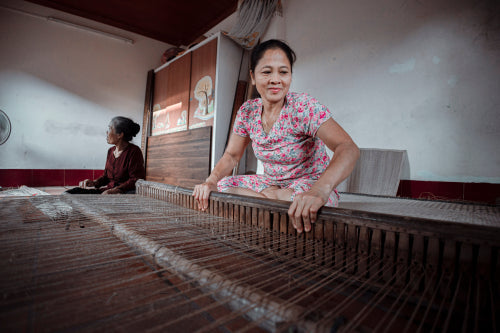
Sustainable fashion is no longer defined only by materials or manufacturing methods. It is increasingly shaped by how value is created, shared, and preserved across entire ecosystems of makers and consumers. As the industry evolves, artisan communities are moving from the margins of fashion supply chains to becoming central to how brands define authenticity, durability, and cultural relevance. This shift is not simply aesthetic; it reflects deeper changes in how consumers evaluate quality, purpose, and responsibility in what they wear and bring into their homes.
Fast fashion erodes cultural heritage, sidelining artisans and reducing traditions to trends. At IndieHaat, we champion India's craftspeople with handcrafted sarees, apparel, décor, and skincare rooted in authenticity. Each piece embodies skill and ethical care. Support artisans and preserve India's timeless legacy Shop Now!
Redefining Sustainable Fashion in a Value-driven Era
The conversation around sustainable fashion trends 2026 is moving beyond surface-level eco-friendly materials toward long-term thinking about product lifecycles and human impact. Brands are no longer judged solely on environmental claims but on how meaningfully they engage with the people behind their products.
A growing number of fashion businesses are re-evaluating traditional production models that prioritize speed and scale over craftsmanship. Instead, they are focusing on systems that reward durability, repairability, and emotional connection to garments. This shift reflects a broader understanding that sustainability is not just about reducing harm, but about building systems that can endure culturally and economically.
Within this context, artisan-led production has gained renewed importance. Handmade processes naturally align with slower production cycles, reducing waste and encouraging intentional design. These practices also preserve knowledge systems that industrial manufacturing often overlooks, particularly in textile-rich regions where craft traditions have evolved over centuries.
How Artisan Communities Are Reshaping Fashion Value Chains
Artisan communities are increasingly becoming strategic partners rather than outsourced labor providers. This evolution is changing how value is distributed across the fashion ecosystem, especially in the artisan fashion trends shaping contemporary design thinking.
Direct relationships between brands and craftspeople are allowing for greater transparency and more equitable collaboration. Instead of fragmented supply chains, many organizations are exploring models where artisans contribute not only production skills but also design influence and cultural storytelling.
This shift has practical implications. Products are being designed with local material availability, traditional weaving techniques, and regional aesthetic sensibilities in mind. As a result, fashion items are becoming more distinctive and less homogenized, offering consumers something that mass production rarely delivers: individuality rooted in human skill.
At platforms like IndieHaat, this model is reflected in curated marketplaces that prioritize direct sourcing from craftspeople. Such approaches strengthen artisan livelihoods while offering consumers access to authentic handcrafted apparel, accessories, and home décor that carry cultural depth.
Cultural Sustainability as a Design Imperative
Cultural sustainability is emerging as a foundational pillar of ethical production systems. It emphasizes not only environmental responsibility but also the preservation of traditional knowledge, craft identity, and community agency in production systems.
Research highlights that traditional textile craftsmanship offers essential lessons for building sustainable systems, particularly through long-term collaboration with artisan communities that respect cultural knowledge and equitable practices. This includes design approaches that minimize waste through draped silhouettes, repair-friendly construction, and natural dyeing techniques that are deeply embedded in regional craft traditions. These insights are detailed in discussions on cultural sustainability in fashion, which emphasize how heritage-based production contributes to both environmental and social resilience.
The latest research on cultural sustainability in fashion shows how deeply traditional textile craftsmanship informs modern sustainability frameworks. It highlights how artisan knowledge systems are not static heritage artifacts but active design resources that can reshape global production standards. In regions with strong handloom and natural dyeing traditions, these practices embed zero-waste principles through draped garment construction that naturally reduces cutting waste. Repair and reuse cultures extend product lifecycles far beyond industrial norms, while also strengthening emotional bonds between makers and users. The cultural sustainability in fashion perspective emphasizes that sustainability is incomplete without cultural continuity ensuring that artisans retain agency over their intellectual and cultural property. It also stresses equitable collaboration, where traditional knowledge is credited, compensated, and actively transmitted to younger generations. For brands, this means moving beyond surface storytelling into structural change, where craft communities are recognized as co-creators of value rather than passive labor sources. This approach strengthens biodiversity-friendly production, localized sourcing, and design innovation rooted in regional identity, making cultural sustainability a key differentiator in the evolving sustainable fashion landscape.
For brands, integrating cultural sustainability is not simply about storytelling. It is about acknowledging artisans as knowledge holders and innovators. When craft traditions are treated as intellectual and cultural assets, rather than aesthetic inspiration alone, it creates a more balanced ecosystem where value is shared more equitably.
This approach is particularly relevant for businesses seeking to differentiate themselves in a crowded marketplace where authenticity and ethical sourcing are becoming core purchase drivers.
Technology, Transparency, and the Modern Craft Economy
Digital transformation is reshaping how artisan ecosystems function, enabling greater visibility and traceability across production networks. While technology is often associated with scale and automation, it is increasingly being used to support small-scale craft communities through storytelling, logistics coordination, and direct-to-consumer platforms.
Industry analysis from the State of Fashion 2026 report shows that the fashion industry is entering a phase defined by economic volatility, shifting consumer priorities, and rapid technological advancement. Artificial intelligence is emerging as a key enabler across design, supply chain optimization, and personalization, while sustainability and product innovation remain central to competitive strategy. The report highlights that consumers are increasingly prioritizing craftsmanship, durability, and provenance, driving demand for products that offer lasting value rather than short-lived novelty. Circular business models such as resale, repair, and recommerce are expanding faster than traditional retail channels, reflecting a structural shift in how value is extracted and retained across product lifecycles. For artisan-driven ecosystems, this environment creates strong alignment, as handmade goods naturally emphasize durability, repairability, and cultural authenticity. The State of Fashion 2026 report also underscores that brands leveraging heritage, transparency, and localized production are better positioned to build resilience amid supply chain disruptions and tariff shifts. In this context, digital tools are not replacing craftsmanship but amplifying its reach, enabling artisans to access global markets while preserving traditional production methods and strengthening direct relationships with consumers.
Importantly, this technological shift is not replacing craftsmanship. Instead, it is amplifying its visibility. Artisans who once relied solely on local markets are now able to reach global audiences while maintaining traditional methods of production. This hybrid model is redefining what modern craftsmanship looks like in a digitally connected world.
The Slow Fashion Movement and Evolving Consumer Behavior
The slow fashion movement 2026 continues to gain momentum as consumers become more deliberate about their purchasing decisions. Rather than frequent replacement cycles, there is a growing preference for fewer, higher-quality items that carry meaning and longevity.
Consumers are increasingly drawn to stories behind products how they were made, who made them, and what cultural significance they hold. This shift reflects a deeper change in mindset, where ownership is no longer just transactional but experiential.
The broader fashion industry is responding accordingly. According to State of Fashion insights, the sector is experiencing low single-digit industry growth, signaling a more measured expansion environment where differentiation and value creation are becoming critical. In this context, brands that emphasize craftsmanship, heritage, and durability are better positioned to build long-term loyalty.
This environment aligns closely with eco friendly fashion trends, where consumers evaluate products not only on environmental impact but also on emotional and functional longevity. Handmade goods naturally fit this expectation, offering uniqueness and durability that mass-produced items often lack.
Business Models Enabling Artisan-led Growth
New business models are emerging to support the intersection of commerce and craftsmanship. These models prioritize direct sourcing, transparent pricing, and collaborative design processes that include artisans as active participants in value creation.
One of the most significant developments is the rise of circular thinking within fashion ecosystems. Instead of linear production models, brands are exploring repair services, resale opportunities, and modular design approaches that extend product lifecycles. This aligns closely with broader ethical fashion trends, where responsibility extends beyond production to post-purchase engagement.
In artisan-focused ecosystems, this approach has additional benefits. Repair and reuse traditions already exist within many craft communities, making circular models a natural extension of existing cultural practices. This strengthens both environmental outcomes and economic resilience for artisans who rely on sustained demand rather than seasonal spikes.
Digital marketplaces further enhance these models by reducing intermediaries and enabling artisans to maintain greater control over pricing and storytelling. This shift is gradually redefining what growth looks like in the handmade fashion industry, prioritizing stability and cultural integrity over volume-based expansion.
The Future of Artisan Craft in a Global Fashion Landscape
Looking ahead, the relationship between fashion and craftsmanship is expected to deepen as consumers and brands increasingly value authenticity over uniformity. The integration of artisan techniques into contemporary design is not a nostalgic return to tradition but a forward-looking strategy for resilience and differentiation.
Sustainable textile trends suggest that materials, methods, and meaning will continue to converge. Natural fibers, traditional dyeing methods, and handwoven structures are being reinterpreted through modern design languages, creating products that feel both timeless and relevant.
For artisan communities, this evolution represents both opportunity and responsibility. As demand grows, maintaining cultural integrity while adapting to new market expectations will be essential. Brands that succeed in this space will be those that build long-term, respectful partnerships rather than extractive supply relationships.
Ultimately, sustainable fashion is becoming less about isolated practices and more about interconnected systems. When craftsmanship, technology, and ethical design align, they create ecosystems that support both cultural preservation and modern innovation. This balance will define the next phase of growth for artisan-led fashion globally.
Frequently Asked Questions
What are the main sustainable fashion trends driving artisan communities in 2026?
In 2026, sustainable fashion trends are increasingly shaped by artisan-led production, circular business models, and a strong focus on cultural sustainability. Brands are prioritizing durability, repairability, and emotional value over fast production cycles. This shift is helping artisan communities move from the margins of supply chains to central roles in defining modern fashion value systems.
How are artisan communities changing the fashion industry and supply chains?
Artisan communities are transforming fashion supply chains by becoming direct design and production partners rather than outsourced labor providers. This allows for more transparent collaboration, fairer value distribution, and the integration of traditional craftsmanship into modern design. Digital platforms are further enabling artisans to reach global markets while maintaining control over their work and storytelling.
Why is cultural sustainability important in slow fashion and ethical fashion trends?
Cultural sustainability ensures that traditional craft knowledge, heritage techniques, and artisan identities are preserved within modern production systems. It goes beyond environmental concerns by emphasizing fair recognition, compensation, and collaboration with artisan communities. In slow fashion and ethical fashion trends, it strengthens authenticity and helps brands build deeper trust with conscious consumers.
Disclaimer: The above helpful resources content contains personal opinions and experiences. The information provided is for general knowledge and does not constitute professional advice.
You may also be interested in: What Is Ethical E-commerce and Why It Matters - Indiehaat.com
Fast fashion erodes cultural heritage, sidelining artisans and reducing traditions to trends. At IndieHaat, we champion India's craftspeople with handcrafted sarees, apparel, décor, and skincare rooted in authenticity. Each piece embodies skill and ethical care. Support artisans and preserve India's timeless legacy Shop Now!
Powered by flareAI.co