The Role of E-Commerce in Supporting Ethical Sourcing for Indian Handicrafts
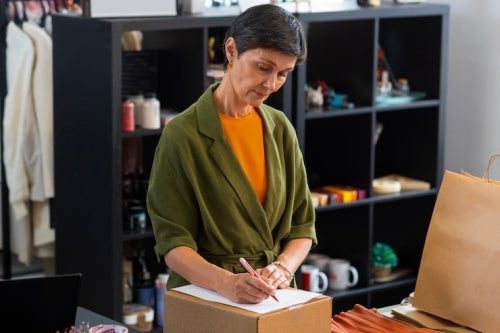
In a sunlit workshop in Jaipur, an artisan meticulously embroiders a silk scarf, her needle weaving stories of tradition into every stitch. Thousands of miles away, a discerning shopper in London explores IndieHaat's online platform, drawn to the authenticity of a handcrafted kurta. This seamless connection between creator and consumer underscores a transformative shift in India's handicraft industry. E-commerce platforms like IndieHaat are not merely marketplaces; they are champions of ethical sourcing, ensuring artisans are fairly rewarded while delivering their unique creations to a global audience.
Fast fashion erodes cultural heritage, sidelining artisans and reducing traditions to trends. At IndieHaat, we champion India's craftspeople with handcrafted sarees, apparel, décor, and skincare rooted in authenticity. Each piece embodies skill and ethical care. Support artisans and preserve India's timeless legacy Shop Now!
Ethical Sourcing: A Global Movement
India's handicraft sector is a cornerstone of its economy, supporting over seven million artisans who craft an array of products, from handprinted textiles to intricate pottery. The India Brand Equity Foundation reports that the industry encompasses 744 artisanal clusters, engaging nearly 212,000 craftsmen and producing over 35,000 distinct items. With over 56% of these artisans being women, the sector thrives in rural hubs like Varanasi, Surat, and Hyderabad, yet many remain constrained by local markets or exploitative intermediaries. E-commerce has emerged as a game-changer, opening access to international buyers in IndieHaat's key markets: India, the US, Singapore, Australia, the UK, and the UAE.
The global appetite for ethically sourced goods is surging. In markets like the US and UK, consumers increasingly prioritize sustainability, willing to invest in products that reflect fair trade and cultural authenticity. IndieHaat leverages this trend by offering handmade goods crafted exclusively from pure fabrics linen, silk, and cotton. By eliminating middlemen, the platform ensures artisans receive equitable compensation, delivering unparalleled designs to conscious consumers who value quality over mass production.
E-Commerce: Empowering Artisans Directly
Imagine an artisan in Gujarat weaving a cotton saree, her loom echoing centuries of tradition. Historically, her work would pass through multiple distributors, each siphoning off profits. Now, platforms like IndieHaat enable direct connections to global buyers. According to a Ken Research report, India's handicraft market, valued at INR 4.2 billion, is propelled by its rich cultural heritage and growing global demand for artisanal goods. Government-led export incentives and skill development initiatives further fuel this expansion, but e-commerce remains the linchpin, providing artisans unprecedented access to international markets.
IndieHaat amplifies this reach through a robust social media presence on Instagram, Facebook, and YouTube. Profiles like anilarubyraj and varshaoak showcase vibrant textiles alongside artisan stories, fostering trust among buyers in Singapore and the UAE who seek transparency. These platforms transcend traditional sales, weaving narratives of craftsmanship and ethical production that resonate deeply with global audiences, transforming casual browsers into loyal advocates.
Navigating Challenges in Ethical Commerce
Despite its promise, ethical sourcing faces significant obstacles. High pricing is a frequent concern, as handmade goods, crafted with time-intensive techniques and premium materials, often cost more than mass-produced alternatives. IndieHaat counters this by emphasizing the intrinsic value of each purchase: supporting artisan's livelihoods and preserving cultural heritage. The platform's commitment to authentic fabrics linen, silk, and cotton underscores a quality-driven ethos, appealing to buyers in Australia and the UK who prioritize sustainability over price.
Trust deficits pose another hurdle, particularly in international markets like the US, where consumers may question the origins of online handicrafts. IndieHaat addresses this by sharing detailed artisan stories through engaging Instagram reels and YouTube videos, offering a window into the creation process. However, the inability to touch and feel products remains a challenge. To bridge this gap, IndieHaat employs high-resolution images, comprehensive descriptions, and customer reviews, while exploring innovative solutions like virtual reality previews to replicate the tactile experience of in-person shopping.
Global Opportunities, Local Empowerment
E-commerce has redefined the global reach of Indian handicrafts. The Ken Research report highlights the dominance of cities like Jaipur and Varanasi, renowned for textiles and metalwork that captivate international buyers. IndieHaat's target markets India, the US, Singapore, Australia, the UK, and the UAE are particularly receptive. In the UAE, where exclusivity is prized, IndieHaat's unique designs appeal to affluent shoppers. In Australia, the growing demand for sustainable fashion aligns seamlessly with the platform's mission.
Consider a handloom cooperative in Hyderabad, where artisans craft silk sarees with intricate zari work. Through IndieHaat, their products have reached Singapore, increasing their earnings by 30% compared to local sales. Such success stories highlight the platform's dual impact: empowering artisans economically while educating consumers about the value of ethical purchases. By crafting compelling narratives around each product, IndieHaat builds lasting customer loyalty, transforming one-time buyers into champions of fair trade.
The platform's focus on storytelling extends to its social media strategy. By showcasing artisan's lives and processes, IndieHaat creates an emotional connection with consumers, particularly in markets like the US and Singapore, where authenticity drives purchasing decisions. This narrative-driven approach not only boosts sales but also elevates the cultural significance of Indian handicrafts on a global stage.
A Vision for Ethical E-Commerce
The future of ethical sourcing in e-commerce is poised for growth, with IndieHaat leading the charge. The India Brand Equity Foundation notes that over 56% of India's artisans are women, making platforms like IndieHaat vital for economic and social empowerment. These digital marketplaces provide a global platform for marginalized creators, leveling the playing field. An artisan leader from Varanasi observes, “E-commerce transforms our craft into a story that resonates worldwide, connecting us directly with those who value our work.”
As IndieHaat expands, it sets a benchmark for ethical e-commerce. Its commitment to transparency, authenticity, and artisan empowerment aligns with the values of a growing cohort of conscious consumers. The platform's success in markets like the UAE and Australia demonstrates the universal appeal of ethically sourced handicrafts. For consumers browsing for a handwoven shawl or a silk dupatta, choosing IndieHaat means more than a purchase it's a commitment to supporting artisans, preserving heritage, and fostering a more equitable global economy. Embrace this movement, and let every click weave a brighter future for craftsmanship.
Frequently Asked Questions
How does e-commerce help Indian artisans earn fair wages?
E-commerce platforms like IndieHaat eliminate middlemen who traditionally siphon off profits from artisan sales. By connecting craftspeople directly with global buyers, these platforms ensure artisans receive equitable compensation for their handmade goods. This direct-to-consumer model has helped cooperatives increase earnings by up to 30% compared to traditional local sales channels.
Why are ethically sourced Indian handicrafts more expensive than mass-produced items?
Handcrafted items require time-intensive techniques, premium authentic fabrics like silk and cotton, and skilled artisan labor that spans generations of tradition. The higher price reflects fair compensation for artisans, preservation of cultural heritage, and superior quality materials. When you purchase ethically sourced handicrafts, you're investing in sustainable livelihoods and unique designs rather than factory-made alternatives.
Which countries have the highest demand for Indian handicrafts online?
India's handicraft e-commerce market sees strong demand from the US, UK, Singapore, Australia, and UAE, alongside domestic Indian consumers. Markets like the UAE value exclusive, unique designs, while Australian and UK shoppers prioritize sustainable and ethically produced fashion. The US market particularly seeks authentic, fair-trade products with transparent sourcing stories that connect them to the artisan creators.
Disclaimer: The above helpful resources content contains personal opinions and experiences. The information provided is for general knowledge and does not constitute professional advice.
You may also be interested in: The Role of Fair Trade Principles in Indian Craft Sourcing
Fast fashion erodes cultural heritage, sidelining artisans and reducing traditions to trends. At IndieHaat, we champion India's craftspeople with handcrafted sarees, apparel, décor, and skincare rooted in authenticity. Each piece embodies skill and ethical care. Support artisans and preserve India's timeless legacy Shop Now!
Powered by flareAI.co