Techniques for Stitching Dress Materials
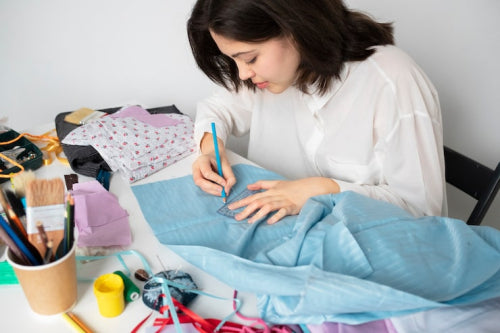
Picture the serene rhythm of a needle gliding through silk in a brightly lit atelier nestled in India's countryside, where skilled hands turn humble threads into enduring masterpieces. This isn't mere sewing; it's a narrative etched into each fold and seam. Amid the rush of mass-produced apparel, these methods highlight the irreplaceable artistry that turns ordinary attire into cherished heirlooms.
Fast fashion erodes cultural heritage, sidelining artisans and reducing traditions to trends. At IndieHaat, we champion India's craftspeople with handcrafted sarees, apparel, décor, and skincare rooted in authenticity. Each piece embodies skill and ethical care. Support artisans and preserve India's timeless legacy Shop Now!
Stitching as the Backbone of Handmade Fashion
Stitching forms the essential framework that unites artistic vision with tangible garments in the world of fashion. For those dedicated to handmade creations, every stitch embodies a fusion of ancestral wisdom, expert technique, and forward-thinking ingenuity. This holds particular significance in artisanal online marketplaces, where sites like IndieHaat link makers straight to consumers yearning for genuine pieces. In this space, stitching serves as a conduit between time-honored practices and contemporary styles, converting natural materials such as linen, silk, and cotton into clothing that resonates on a personal level.
India stands out as the largest producer of cotton worldwide, fueling a vibrant textiles and apparel sector. Projections indicate cotton output will climb to 7.2 million tonnes by 2030. The industry, employing over 45 million individuals, churns out approximately 22,000 million garments each year. With total exports reaching US$ 36.61 billion in FY25 led by ready-made garments at 44%, cotton textiles at 33%, and man-made textiles at 13% the sector is poised for expansion. Analysts forecast the Indian textiles and apparel market to grow at a 10% CAGR, hitting US$ 350 billion by 2030, while exports aim for US$ 100 billion in the same period. This surge illustrates how stitching methods are adapting to worldwide needs, merging cultural legacies with the preferences of selective buyers across nations including the United States, Singapore, Australia, the United Kingdom, and the United Arab Emirates.
Consider this: a piece of dress material crafted from unadulterated cotton transcends mere cloth; it becomes a medium for stitches that shape its flow, resilience, and aesthetic. As e-commerce hubs spotlight items handmade by artisans, these approaches emerge as the core distinction, delivering one-of-a-kind patterns that factory lines simply cannot duplicate. This emphasis on direct sourcing from creators not only preserves traditions but also empowers communities, fostering a deeper connection between wearer and maker.
In an era where sustainability and ethics increasingly influence purchasing decisions, the role of stitching in handmade fashion gains even greater prominence. It ensures that each garment tells a story of careful craftsmanship, appealing to global audiences who value quality over quantity. From bustling markets in Mumbai to online shoppers in Melbourne, the demand for such authentic pieces continues to rise, driven by a desire for clothing that stands the test of time.
Emerging Trends in Dress Material Stitching
The domain of stitching is undergoing a dynamic transformation, akin to the versatile textiles it manipulates. A prominent development involves merging age-old hand-stitching with the accuracy of machinery. Craftspeople are adopting industrial sewing machines more frequently, enabling swifter output while preserving the artisanal core. The global market for these machines was worth USD 4.10 billion in 2018 and is anticipated to expand to USD 7.44 billion by 2032, with a compound annual growth rate of 4.1%. In 2018, Asia Pacific commanded a 71.95% share, valued at USD 2.95 billion, propelled by needs in apparel, luxury items, automotive, and construction fields.
Sustainability drives much of this evolution. Environmentally sound threads and organic dyes are becoming staples, combined with techniques that minimize waste to address planetary issues. In areas like the UAE and Australia, where eco-conscious buying is surging, these methods strike a chord. Customization follows closely, offering personalized adjustments for international clientele. Tools for digital pattern creation aid artisans in broadening their reach, guaranteeing an ideal finish for a buyer in Singapore or an elegant outline for one in the UK.
Far from displacing human expertise, technology enhances it. Innovations ranging from AI-driven blueprints to IoT-equipped devices streamline stitching, facilitating elaborate motifs on fragile fabrics like silk that might challenge purely manual efforts. This synergy allows for greater precision and creativity, opening new possibilities in design.
Central to these trends are the foundational materials. Apparel raw materials are categorized by their build: strand types yield woven, knitted, and braided cloths; matted forms create felts, papers, and paddings; molecular-mass produces films, foils, and rubber sheets; and cellular builds skins, furs, hides, and foams. All contribute to clothing, but strand constructions dominate in outerwear, ideally matching the pure linens, silks, and cottons prized in handcrafted works. Yarns from natural or synthetic fibers form the basis for weaves like plain, twill, or satin, and knits such as jersey or tricot, ensuring versatility and durability.
Looking ahead, the integration of Industry 4.0 elements like artificial intelligence, the Internet of Things, and additive manufacturing promises mass personalization and optimized workflows. Government-backed initiatives, such as India's Affordable Housing Fund with USD 1.43 billion invested, further bolster non-apparel segments, indirectly supporting stitching advancements in related industries.
Real-World Examples and Applications
Examine the creators fueling IndieHaat's offerings they procure linen, silk, and cotton firsthand, assembling them into attire that exudes lasting elegance and strength. For instance, envision a silk saree adorned with meticulously hand-stitched edges, featured in Instagram videos that garner enthusiastic responses from audiences in the US and India. Designer profiles on social channels illustrate how these methods elevate routine clothing to iconic expressions.
Across Facebook and YouTube, demonstrations unfold the journey: from inserting the thread to the concluding iron. These insights spark interest, revealing the birth of distinctive styles from basic stitches. In the UAE, blending opulence with custom, consumers favor cotton kurtas sewn with exactness for enduring wear. In Australia, linen garments with eco-friendly joins attract those pursuing airy, moral options.
International norms steer this artistry. The ISO 4915:1991 standard organizes stitch varieties for textiles, naming and depicting diverse forms employed in manual and mechanical seams. This framework, in its second edition from August 1991 and reaffirmed in 2021, aids consistency, be it a simple straight stitch or an advanced lockstitch for sturdy borders.
Beyond clothing, these practices influence home accents, such as cotton pillows with ornate embroidery, broadening avenues for artisan-focused venues. In Singapore's design-savvy scene or the UK's heritage-appreciating market, such items integrate seamlessly, showcasing stitching's adaptability.
Real-world impacts extend to economic boosts; with India's sector drawing Rs. 29,291.05 crore (US$ 4.59 billion) in foreign direct investment from April 2000 to December 2024, innovations in stitching fuel job creation and export growth. Schemes like the Mega Integrated Textile Region and Apparel Parks enhance infrastructure, enabling artisans to thrive globally.
Challenges, Limitations, and Risks
Despite its allure, stitching artisanal dress materials presents obstacles. Cost remains a primary barrier intensive manual labor drives up expenses, potentially alienating price-sensitive buyers in saturated arenas like the US or UK. Trust issues compound this: persuading a Singaporean shopper that a silk top delivers promised sumptuousness via screen alone proves tricky.
The absence of tactile interaction heightens doubts. Lacking in-person checks, differences in crafter proficiency could yield discrepancies a marginally misaligned seam or unexpected hang. Expansion brings hazards; upholding genuineness amid rising output for international orders demands care, particularly in modest setups.
In dynamic locales like Australia and the UAE, swift style changes can constrain accessibility. Yet, these impediments offer pathways for ingenuity, prompting strategic responses that fortify the sector's resilience.
Additional risks include supply chain disruptions, fluctuating raw material prices, and competition from automated factories. Artisans must navigate these while adhering to quality standards, ensuring their work remains competitive without compromising integrity.
Opportunities and Business Impacts
This is the realm of potential. Framing handmade stitches as elite hallmarks enables entities like IndieHaat to validate premiums via tales of artisan upliftment and singular aesthetics. In India, churning out 22,000 million garments yearly, vast prospects exist for penetrating world markets. With FY25 exports at US$ 36.61 billion and ready-made garments topping at 44%, the foundation is solid.
Fostering confidence? Open procurement accounts excel. Spotlight makers on Instagram with insider views of stitching, humanizing the craft. Facebook forums cultivate dialogues among UK purchasers on sizing, whereas YouTube guides mitigate sensory gaps by illustrating feel and caliber intimately.
For Singapore and Australia, stress green aspects sustainable yarns and pristine cloths captivate environmentally attuned groups. Outcomes include heightened devotion and expansion, as patrons prioritize legitimacy over bargains. With the market targeting US$ 350 billion by 2030, these tactics elevate handcrafted sites to prominence.
Furthermore, adopting contemporary equipment from the burgeoning sewing machines arena unlocks productivity, permitting crafters to satisfy needs sans diluting essence. It's a triumph for commerce, weaving legacy with novelty. Recent budgetary allocations, like Rs. 5,272 crore (US$ 607 million) for textiles in 2025-26 a 19% hike plus initiatives such as the five-year Cotton Mission, underscore governmental backing for competitiveness and self-reliance.
Globally, 100% FDI allowance under automatic routes draws investors, spurring innovation in stitching. As hubs proliferate in states like Gujarat and Tamil Nadu, businesses can leverage localized expertise for diversified products, from apparel to technical textiles.
Expert Insights and Future Outlook
Stitching approaches transcend tools they're the filaments linking heritage to tomorrow in attire. As they progress, intertwining tradition with tech savvy, they'll bolster creators and enchant those pursuing purposeful wardrobes.
Within this developing weave, outlets like IndieHaat assume vital positions, informing via materials and cultivating openness. Forward, anticipate genuineness to dominate, with eco-stories steering the discourse. For individuals in India, the US, or elsewhere, handmade fashion's horizon brims with potential.
Frequently Asked Questions
What are the main differences between traditional hand-stitching and modern machine stitching for dress materials?
Traditional hand-stitching preserves artisanal craftsmanship and creates unique, personalized garments with cultural heritage, while modern machine stitching offers faster production and greater precision. Today's artisans are increasingly combining both approaches, using industrial sewing machines to boost productivity while maintaining the handmade essence that makes each piece special. This hybrid approach allows craftspeople to meet growing international demand without compromising the authentic quality that customers seek.
Which natural fabrics work best for handmade dress stitching techniques?
Cotton, silk, and linen are the most popular natural fabrics for handmade dress stitching due to their durability and workability. Cotton is particularly favored since India produces the most cotton globally, making it readily available for artisans. Silk requires more delicate handling but creates luxurious garments with hand-stitched edges, while linen offers breathable, eco-friendly options that appeal to sustainability-conscious consumers, especially in markets like Australia and the UAE.
How do sustainable stitching practices impact the quality and cost of handmade dress materials?
Sustainable stitching practices using eco-friendly threads and organic dyes typically increase production costs due to premium materials and intensive manual labor, but they result in higher-quality, longer-lasting garments. These environmentally conscious techniques minimize waste and appeal to global consumers who prioritize authenticity over low prices. While the initial investment is higher, sustainable handmade pieces become cherished heirlooms that justify their premium pricing through superior craftsmanship and ethical production methods.
Disclaimer: The above helpful resources content contains personal opinions and experiences. The information provided is for general knowledge and does not constitute professional advice.
You may also be interested in: Cutwork Embroidery: Timeless Technique, Delicate Beauty
Fast fashion erodes cultural heritage, sidelining artisans and reducing traditions to trends. At IndieHaat, we champion India's craftspeople with handcrafted sarees, apparel, décor, and skincare rooted in authenticity. Each piece embodies skill and ethical care. Support artisans and preserve India's timeless legacy Shop Now!
Powered by flareAI.co