Ideas for Handcrafted Home Decor
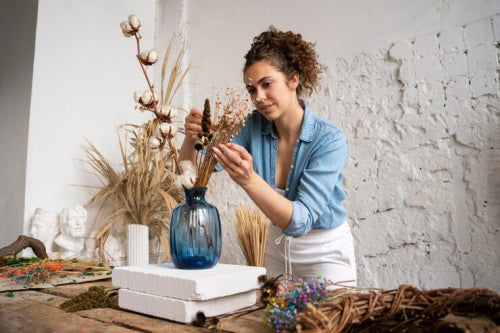
Homes are no longer just spaces to live they're becoming galleries of stories, woven into handcrafted rugs, etched onto ceramic plates, and carved into wooden tables. The global handicrafts market, valued at a staggering USD 906.8 billion in 2024, is riding this wave, with projections soaring to USD 1.94 trillion by 2033, fueled by a growing appetite for sustainable, authentic, and unique designs. At the heart of this movement is IndieHaat, an Indian platform curating artisanal apparel, accessories, and home décor that blend heritage with modern flair. But what makes handcrafted décor so irresistible, and how can it transform your living space? Let's explore.
Fast fashion erodes cultural heritage, sidelining artisans and reducing traditions to trends. At IndieHaat, we champion India's craftspeople with handcrafted sarees, apparel, décor, and skincare rooted in authenticity. Each piece embodies skill and ethical care. Support artisans and preserve India's timeless legacy Shop Now!
The Allure of Artisanal Home Décor
The charm of handcrafted décor lies in its imperfections those subtle irregularities that whisper of human hands at work. Unlike factory-made items, each piece carries a story: a weaver's deft fingers shaping a rug, a potter's careful molding of clay. This authenticity resonates with today's consumers, who are increasingly turning away from soulless mass production. IndieHaat taps into this shift, offering a curated collection of Indian crafts that celebrate tradition while fitting seamlessly into modern homes. From vibrant block-printed linens to intricately carved wooden trays, these pieces aren't just décor they're conversation starters.
The numbers back this up. The global handicrafts market, already worth USD 739.95 billion in 2024, is expected to hit USD 983.12 billion by 2030, growing at a steady 4.9% annually. Driving this surge is a hunger for eco-friendly, culturally significant products, particularly in regions like Asia Pacific, which commands a 34.81% revenue share. In India, where craftsmanship is a way of life, platforms like IndieHaat are bridging artisans with global buyers, making handcrafted décor not just a trend but a lifestyle.
Trends Shaping the Handcrafted Home
Sustainability is no longer a buzzword it's a priority. Handcrafted décor often uses natural materials like wood, clay, and fibers, aligning with the zero-waste ethos that modern consumers crave. IndieHaat's offerings, from upcycled textile wall hangings to bamboo furniture, reflect this eco-conscious ethos. These pieces aren't just beautiful; they're a nod to a planet-friendly future.
Then there's the revival of regional crafts. Think Madhubani paintings with their intricate storytelling or Warli art with its minimalist charm. These traditional techniques are finding new life in urban homes, adorning everything from cushion covers to accent walls. The fusion of old and new is another draw handwoven throws draped over sleek sofas or ceramic vases perched on minimalist shelves. And for those who want something truly unique, personalization is key. Artisans on platforms like IndieHaat are increasingly offering custom-made pieces, letting homeowners weave their own stories into their décor.
Bringing Craftsmanship into Your Home
Picture this: a living room warmed by a handwoven dhurrie rug, its earthy tones grounding the space. Or a dining table set with ceramic plates, each one hand-painted with delicate motifs. Handcrafted décor can transform every corner of your home. In living rooms, consider artisanal wall hangings or bamboo furniture for a touch of rustic elegance. For dining spaces, hand-carved wooden serveware or block-printed table runners add warmth and character. Bedrooms come alive with natural fiber bedding or embroidered cushions, while work-from-home setups benefit from hand-painted pottery planters or artisanal desk organizers.
Urban Indian households are leading the charge. In cities like Mumbai and Bangalore, families are blending regional crafts into modern interiors. A Delhi-based interior designer recently shared how a single Warli-painted accent wall turned a sterile apartment into a vibrant home. These real-world applications show that handcrafted décor isn't just for the elite it's for anyone who values individuality.
The Challenges of Going Handcrafted
But it's not all smooth sailing. Handcrafted décor often comes with a higher price tag than mass-market alternatives, which can deter budget-conscious buyers. The global handicrafts market's 8.83% CAGR reflects growing demand, but price sensitivity remains a hurdle. Awareness is another issue many consumers don't realize the skill and time behind each piece, mistaking artisanal work for overpriced trinkets. Supply chain challenges also loom large. Handcrafted items, often produced in small batches, face seasonal availability and limited scalability, making it hard to meet surging demand.
Then there's the delicate balance of tradition and modernity. Artisans must preserve age-old techniques while adapting to contemporary tastes a tall order. Yet, platforms like IndieHaat are tackling these challenges head-on, connecting artisans with e-commerce infrastructure to streamline production and reach wider audiences.
Opportunities for Growth and Impact
The rise of e-commerce has been a game-changer. Platforms like IndieHaat are empowering artisans by giving them a global stage, with mass retailers holding a commanding 39.04% revenue share in the handicrafts market. This digital bridge is especially vital in India, where rural artisans often lack access to urban markets. Beyond economics, handcrafted décor is a vehicle for cultural preservation, sustaining traditions that might otherwise fade. It also fuels rural employment, with artisans many of them women gaining financial independence through their craft.
Gifting trends are another boon. Handmade products, imbued with meaning, are increasingly popular as thoughtful gifts, from intricately designed jewelry to hand-painted pottery. And there's untapped potential in collaborations between artisans and interior designers, who can merge traditional craftsmanship with cutting-edge aesthetics to create truly unique spaces.
A Memorable Crafting a Legacy
Handcrafted home décor is more than a trend it's a movement. It's about choosing pieces that tell a story, support artisans, and tread lightly on the planet. As the handicrafts market surges toward a trillion-dollar future, platforms like IndieHaat are at the forefront, proving that beauty and purpose can coexist. Whether it's a handwoven rug that grounds your living room or a ceramic vase that sparks joy on your desk, these pieces invite you to slow down, appreciate the craft, and make your home a canvas of culture. So, the next time you're tempted by a mass-produced throwaway, consider investing in something handmade. It's not just décor it's a legacy.
Frequently Asked Questions
What makes handcrafted home decor better than mass-produced furniture?
Handcrafted home decor offers unique authenticity with subtle imperfections that tell a story of human craftsmanship. Unlike factory-made items, each handcrafted piece carries the artisan's touch and cultural heritage, making your home a gallery of meaningful stories rather than cookie-cutter decor. These pieces also align with sustainability goals, often using natural materials like wood, clay, and fibers.
How can I incorporate handcrafted decor into modern home interiors?
You can seamlessly blend handcrafted elements into modern spaces by mixing traditional and contemporary styles. Try adding handwoven dhurrie rugs to ground living rooms, ceramic hand-painted plates for dining areas, or artisanal wall hangings for rustic elegance. The key is balancing handcrafted pieces like embroidered cushions or bamboo furniture with sleek, minimalist elements for a perfect fusion look.
Why is handcrafted home decor more expensive than regular decor items?
Handcrafted decor typically costs more because each piece requires skilled artisan labor, premium natural materials, and time-intensive traditional techniques. Unlike mass-produced items, handcrafted pieces are often made in small batches with attention to detail and cultural authenticity. While the upfront cost is higher, you're investing in unique, durable pieces that support artisan communities and preserve traditional craftsmanship.
Disclaimer: The above helpful resources content contains personal opinions and experiences. The information provided is for general knowledge and does not constitute professional advice.
You may also be interested in: Indiehaat | Traditional Artisanal Technologies in Handmade
Fast fashion erodes cultural heritage, sidelining artisans and reducing traditions to trends. At IndieHaat, we champion India's craftspeople with handcrafted sarees, apparel, décor, and skincare rooted in authenticity. Each piece embodies skill and ethical care. Support artisans and preserve India's timeless legacy Shop Now!
Powered by flareAI.co