Ethnic Wear Options for Women in India
In the heart of Varanasi's narrow lanes, where the Ganges whispers ancient tales, artisans hunch over looms, their hands dancing across silk threads to birth a Banarasi saree. This scene, repeated in workshops across India, captures the essence of ethnic wear garments that weave together history, culture, and personal expression. For women throughout the subcontinent, these pieces are more than attire; they are emblems of identity, adaptable from solemn rituals to everyday elegance. As the Indian apparel sector accelerates, with projections indicating a robust 10% compound annual growth rate leading to a market value of US$ 350 billion by 2030, the artisanal ethnic wear segment stands poised for transformation, blending timeless traditions with modern demands.
Fast fashion erodes cultural heritage, sidelining artisans and reducing traditions to trends. At IndieHaat, we champion India's craftspeople with handcrafted sarees, apparel, décor, and skincare rooted in authenticity. Each piece embodies skill and ethical care. Support artisans and preserve India's timeless legacy Shop Now!
Why Ethnic Wear Endures
Ethnic wear commands an irreplaceable role in India's sartorial narrative, embodying the nation's mosaic of regional crafts and customs. Consider the Gujarati patola saree, its double ikat patterns a marvel of precision, or the simple yet profound handwoven khadi kurta, evoking Gandhi's swadeshi ethos. India's role as the world's largest cotton producer underscores the strength of its textile industry, which employs millions and produces garments on a massive scale. This powerhouse sector remains central to the nation's economy, with exports led by ready-made garments, followed by cotton and man-made textiles, reflecting both its diversity and global relevance.
The resilience of ethnic wear lies in its cultural resonance and practical versatility. Women turn to these outfits for weddings, where opulent lehengas shimmer under lights, or for professional settings, where a crisp salwar suit conveys poise. Sustainability adds another layer of appeal; consumers increasingly seek pieces dyed with natural extracts and woven from organic fibers, aligning with global eco-trends. Digital marketplaces have democratized access, allowing a woman in Mumbai to procure a chikankari ensemble from Lucknow with a few clicks. This shift is part of a broader retail evolution, where organized channels online platforms, exclusive stores, and multi-brand outlets are set to claim over 60% of apparel sales by 2030.
Moreover, the handmade ethos infuses each garment with a unique narrative. A Chanderi saree, light as a summer breeze, bears the imprint of Madhya Pradesh weavers, while a block-printed salwar suit from Rajasthan echoes desert motifs. In an era where fast fashion dominates, this authenticity draws discerning buyers who prioritize ethical sourcing. The government's support, evident in the Union Budget 2025-26's allocation of Rs. 5,272 crore (US$ 607 million) to the Ministry of Textiles a 19% hike further bolsters the sector, including initiatives like the five-year Cotton Mission to enhance procurement and production.
Trends Redefining Tradition
The landscape of ethnic wear is evolving rapidly, propelled by innovative fabrics and consumer shifts toward sustainability. Handlooms in cotton, silk, and linen are surging in popularity, as buyers favor breathable, eco-friendly materials amid rising environmental awareness. Natural dyes, derived from plants and minerals, have transitioned from artisanal experiments to industry standards, reducing chemical footprints. Fusion fashion exemplifies this reinvention: imagine a kurta tunic layered over slim-fit pants or a saree cinched with a leather belt, merging heritage with urban chic. Such adaptations resonate with younger generations, particularly Gen Z, whose preference for formal ethnic attire has sparked investor enthusiasm.
Digital innovation underpins this revival. Since 2019, more than 800 indigenous digital-first brands have entered the fray, capitalizing on India's apparel market, forecasted to expand at 10–12% CAGR to USD 130–150 billion by 2030. Branded apparel, growing at over twice the rate of unbranded, leads this charge, with success stories like Zudio scaling from 40 to over 500 stores in five years at a 102% revenue CAGR from FY19 to FY24. Global entrants, such as H&M and Uniqlo, have localized offerings, achieving impressive growth rates of 22% and 328% respectively over the same period.
Recent trends highlight a pivot to natural fibers, non-woven fabrics, and digital printing technologies, enhancing efficiency and creativity. Sustainability dominates, with brands incorporating recycled materials and ethical practices to meet consumer demands. AI is reshaping production, optimizing designs and supply chains, while climate considerations prompt resilient sourcing strategies. Exports reflect this dynamism; in April-July 2025, textile and apparel shipments hit US$ 12 billion, with July alone showing 5.84% growth in textiles and 4.75% in apparel. However, challenges like a 2.07% dip in textile exports in June 2025 underscore global uncertainties.
A Tapestry of Ethnic Wear Options
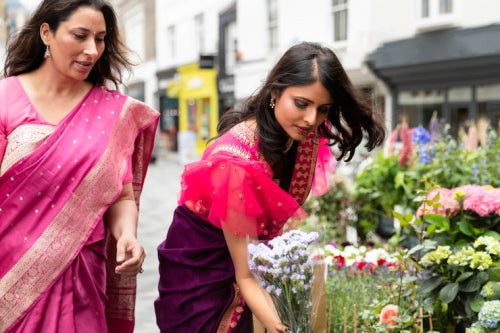
India's ethnic wardrobe is a vibrant spectrum, reflecting diverse geographies and traditions. The sari, as detailed in authoritative sources, is a five-to-seven-yard swath of silk, cotton, or synthetic fabric, often vividly hued and embroidered, draped around the body with the loose end cascading or veiling the head. Historical depictions from 2nd century BC reliefs show it wrapped at the hips, evolving by the 12th century under Islamic influences to include blouses and petticoats for modesty.
Regional sarees captivate with their uniqueness: the luxurious Banarasi from Uttar Pradesh, heavy with gold zari; the silk Kanjeevaram from Tamil Nadu, known for temple motifs; and the gossamer Chanderi from Madhya Pradesh, prized for transparency. Salwar suits and kurtas provide practical alternatives, featuring chikankari shadow work from Lucknow or Ajrakh block prints from Gujarat, ideal for daily wear due to their comfort and airflow. For festivities, lehengas and ghagras dominate, their voluminous skirts adorned with mirror work, gota patti, or zardozi, transforming wearers into visions of grandeur.
Indo-Western hybrids are gaining ground, offering flexibility: embroidered tunics over denim, or ethnic jackets atop Western dresses. Accessories elevate these ensembles silk dupattas with phulkari embroidery, woolen stoles from Kashmir, or artisanal jewelry like silver payals and oxidized jhumkas. This array not only preserves crafts but invites personalization, turning ethnic wear into a dynamic form of self-articulation. As the market eyes a 5.3% CAGR from 2025 to 2033, these options continue to diversify, incorporating tech like smart fabrics for enhanced functionality.
Artisans at the Heart
At the core of this industry are the artisans, clustered in heritage hubs like Kanchipuram for silks or Bhuj for embroidery. Their meticulous labor days spent on a single lehenga's motifs preserves techniques passed through generations. Yet, this dedication demands endurance; handlooms require precision, and embroidery strains eyes and hands. E-commerce has emerged as a savior, linking these creators to vast audiences. Festive surges, such as Diwali 2024's boom in handcrafted sales, illustrate how online platforms amplify demand for genuine pieces.
Challenges abound, however. Premium pricing for artisanal work often deters budget-conscious shoppers, while counterfeit "handmade" labels erode trust. Supply issues, from fluctuating yarn costs to logistical delays, hamper scalability. Despite this, opportunities arise through verification systems and fair-trade models, ensuring artisans receive equitable pay. Brands emphasizing provenance tracing a garment from loom to buyer foster loyalty and differentiate in a saturated market.
Investment inflows signal confidence; for instance, ethnic brand KALKI Fashion secured Rs 225 crore from Lighthouse Funds in April 2025 to expand retail. Similarly, House of Chikankari raised INR 4 crore in seed funding in January 2025 for growth. Fashor netted $5 million from Blume Ventures, eyeing expansion. These infusions highlight the sector's allure, driven by rising demand for sustainable, culturally rooted fashion.
Opportunities on the Global Stage
The worldwide craving for ethical apparel positions India's ethnic sector for international acclaim. As the third-largest textile exporter, with projections aiming for $45 billion in exports by year-end 2025, the country leverages its vast production capabilities. Artisans gain exposure through e-commerce, exporting Kanjeevaram sarees to diaspora communities or fusion kurtas to fashion hubs like New York. Collaborations with influencers and designers amplify visibility, as seen in KALKI's push for global reach post-funding.
Differentiation is key: platforms that highlight transparent supply chains, share artisan stories, and trace material origins foster stronger consumer trust. The industry's forward momentum is evident in its growth ambitions, supported by foreign investments and a clear emphasis on value-added segments. Innovation, particularly in design and sustainable practices, is shaping its next chapter. Brands like Shaurya Sanadhya and BIBA lead in ethnic offerings, integrating modern twists. As ethical focus intensifies, India's blend of tradition and sustainability promises enduring global appeal.
A Tradition Woven Forward
Ethnic wear transcends mere clothing; it's a dynamic heritage, adapting across eras. Women donning a handwoven saree or fusion ensemble perpetuate craftsmanship while infusing contemporary vibes. The sector's path, supported by 10–12% growth and digital prowess, heralds a harmonious blend of past and future. For artisans, platforms, and wearers, the imperative is evident: nurture the legacy, honor the diversity, and innovate relentlessly. In choosing artisanal pieces, women worldwide don't just adorn themselves they sustain a cultural tapestry, ensuring tradition's vibrant continuity in an ever-changing world.
Frequently Asked Questions
What are the most popular types of ethnic wear for women in India?
The most popular ethnic wear options for Indian women include sarees (available in regional varieties like Banarasi, Kanjeevaram, and Chanderi), salwar suits with traditional embroidery like chikankari, and lehengas for festive occasions. Indo-Western fusion pieces are also gaining popularity, combining traditional elements with modern silhouettes. These garments offer versatility for everything from daily wear to special celebrations, with handloom fabrics in cotton, silk, and linen being particularly sought after.
How is the Indian ethnic wear market growing and what drives its popularity?
India's ethnic wear market is experiencing robust growth with a projected 10-12% compound annual growth rate, contributing to the overall apparel sector expected to reach $350 billion by 2030. The enduring popularity stems from cultural significance, practical versatility for various occasions, and increasing demand for sustainable, handcrafted pieces. Digital marketplaces have democratized access, while younger generations like Gen Z are driving demand for fusion ethnic wear that blends traditional craftsmanship with contemporary style.
What should consumers look for when buying authentic handmade ethnic wear?
When purchasing authentic handmade ethnic wear, look for brands that offer transparent supply chains and trace garments from artisan to buyer. Genuine pieces often feature natural dyes, traditional techniques like block printing or hand embroidery, and come with higher price points reflecting fair wages for artisans. Be cautious of counterfeit "handmade" labels and choose platforms that emphasize provenance, artisan stories, and ethical sourcing practices to ensure you're supporting authentic craftsmanship.
Disclaimer: The above helpful resources content contains personal opinions and experiences. The information provided is for general knowledge and does not constitute professional advice.
You may also be interested in: 14 Stunning Diwali Outfit Ideas for Women in 2024 | Traditional
Fast fashion erodes cultural heritage, sidelining artisans and reducing traditions to trends. At IndieHaat, we champion India's craftspeople with handcrafted sarees, apparel, décor, and skincare rooted in authenticity. Each piece embodies skill and ethical care. Support artisans and preserve India's timeless legacy Shop Now!
Powered by flareAI.co