Supporting Rural Livelihoods Through Ethical Fabric Practices
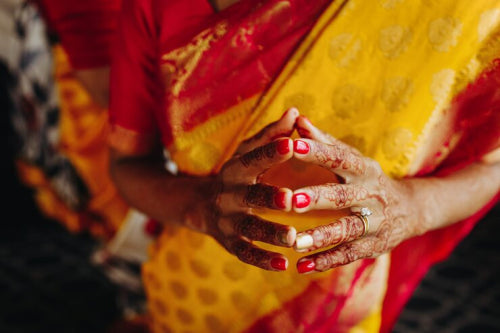
Picture a village loom in rural India, where threads of pure silk catch the morning light as a skilled artisan weaves a pattern passed down through generations. This is more than fabric it is livelihood, heritage, and quiet resilience. In today's fashion landscape, ethical fabric practices capture exactly how conscious choices are transforming not just wardrobes but entire communities across India, the US, Singapore, Australia, the UK, and the UAE.
Fast fashion erodes cultural heritage, sidelining artisans and reducing traditions to trends. At IndieHaat, we champion India's craftspeople with handcrafted sarees, apparel, décor, and skincare rooted in authenticity. Each piece embodies skill and ethical care. Support artisans and preserve India's timeless legacy Shop Now!
The Global Shift Toward Ethical Fabric Practices
Consumers worldwide are waking up to the true cost of fast fashion. They want clothes that feel good, look timeless, and do good. Ethical fabric practices those rooted in fair wages, traditional craftsmanship, and environmental care have moved from niche interest to mainstream expectation. This shift is especially meaningful in India, where handloom weaving has long been a cultural cornerstone, now gaining fresh relevance as buyers in distant markets seek authenticity amid growing awareness of sustainability.
The movement is not abstract. It is felt in the daily lives of weavers who once struggled with uncertain orders and low returns. By choosing garments made with care, buyers in bustling cities like Mumbai, New York, Singapore, Sydney, London, and Dubai are voting with their wallets for a more equitable textile ecosystem. This demand is reshaping supply chains, encouraging brands to bypass middlemen and connect directly with artisans. The result is a powerful alignment between style and substance that resonates deeply with today's conscious shopper.
Empowering Rural Artisan Communities in India
India's rural heartlands are home to millions of artisans whose skills define the country's textile identity. When brands source handmade items directly from these communities, the impact ripples far beyond the loom. Families gain stable income, young people see a future in traditional crafts, and entire villages experience renewed pride in their heritage.
Direct sourcing ensures artisans receive fair compensation for their labour and creativity. No longer lost in layers of intermediaries, the value of each piece flows back to the hands that created it. This model supports education for children, healthcare for elders, and preservation of techniques that might otherwise fade. It is a powerful reminder that fashion can be both beautiful and restorative, creating lasting economic opportunities in regions where traditional crafts have sustained generations.
For buyers in India and the diaspora communities abroad, this direct connection fosters a sense of shared purpose. Supporting these artisans means investing in rural economies while celebrating the rich cultural legacy that makes Indian textiles truly unique.
What Makes Pure Fabrics Truly Special
At the heart of ethical artisan fashion are fabrics that honour nature and tradition: only linen, silk, and cotton. These natural fibres breathe with the wearer, age gracefully, and carry stories of the land where they were grown and woven. Linen offers effortless drape and cool comfort ideal for India's varied climates, from humid summers to crisp winters. Silk brings luminous elegance perfect for weddings and festivals. Cotton delivers everyday softness with unmatched durability.
Unlike synthetic blends, these pure fabrics are biodegradable and require far less water and chemicals in their journey from farm to finished garment. Artisans who work exclusively with them preserve both environmental balance and cultural legacy. The result? Timeless pieces that feel as good as they look and stand the test of time qualities increasingly prized by conscious consumers everywhere.
In practical terms, these fabrics adapt beautifully to Indian lifestyles. A linen kurta stays fresh through long days, while a silk saree drapes with effortless grace during festive celebrations. Choosing them means embracing comfort, sustainability, and heritage in every wear.
Unique Designs Rooted in Tradition and Creativity
Every handmade saree or garment carries a signature that mass production simply cannot replicate. Artisans infuse each design with personal flair drawn from regional motifs, family techniques, and contemporary inspiration. The outcome is clothing that feels personal rather than uniform pieces that spark conversation and celebrate individuality.
Whether it is a subtle border inspired by ancient temple carvings or a modern fusion of heritage patterns with clean silhouettes, these unique designs bridge generations. Buyers in the US or UAE rediscover their cultural roots, while those in India find fresh ways to wear tradition. The direct connection between artisan and wearer creates a deeper emotional bond that generic fashion rarely achieves.
This creativity shines through in every detail from intricate hand-embroidery to thoughtful colour palettes that reflect seasonal changes and cultural narratives. Such designs not only elevate personal style but also keep alive the vibrant tapestry of India's artisanal heritage for a global audience.
Navigating Common Concerns in Ethical Fashion
Many who admire artisan-made pieces still hesitate for understandable reasons. Pricing can seem higher than machine-made alternatives, yet this reflects the true value of skilled labour, premium natural fibres, and ethical standards. What appears as an investment pays dividends through superior quality, longevity, and the knowledge that your purchase supports real families rather than exploitative systems.
- Building trust through transparency: Direct sourcing and artisan stories shared on platforms like Instagram, Facebook, and YouTube help bridge the distance between buyer and maker. Customers see the faces, hear the processes, and understand exactly where their garment originates.
- Overcoming the “touch and feel” barrier: While nothing replaces in-person browsing, detailed photography, fabric swatches, and customer-shared experiences on social media bring the texture and drape vividly to life. Many brands now encourage returns and exchanges to ensure complete satisfaction.
These steps turn potential objections into opportunities for connection and confidence, allowing buyers to shop with assurance and pride.
Global Consumer Demand Driving Change
From Mumbai to Melbourne, conscious buyers are seeking more than aesthetics. Indian consumers increasingly favour sustainable handloom options during festivals and weddings, while diaspora communities in the US, Singapore, Australia, the UK, and the UAE look for authentic pieces that connect them to their roots. Social commerce and e-commerce have made these treasures accessible like never before.
Recent insights highlight how the India saree market reached USD 5.76 Billion in 2024. The market is driven by increasing consumer preference for sustainable handloom sarees, supported by government initiatives such as GI tags and the Handloom Mark, which enhance authenticity and weaver livelihoods. The rapid adoption of e-commerce, fueled by AI-driven customization, virtual try-ons, and social commerce, is broadening accessibility and convenience for buyers. Additionally, celebrity endorsements and eco-conscious branding are attracting younger demographics, further augmenting the India saree market share.
This momentum reflects a broader cultural shift where buyers prioritise pieces that tell a story and support communities, creating meaningful connections across borders.
The Power of Social Media in Ethical Discovery
Instagram, Facebook, and YouTube have become vital bridges between artisans and appreciative buyers. Short videos of looms in action, customer unboxings, and styling tips create an immersive experience that traditional retail rarely matches. Influencers and everyday customers alike showcase how a single handcrafted piece elevates both wardrobe and conscience.
These platforms turn passive scrolling into active learning. Viewers discover the difference between mass-produced and artisan-made, learn about fabric care that extends garment life, and feel part of a growing community committed to positive change. The visual storytelling humanises the entire supply chain, making ethical choices feel personal and attainable.
Shaping a Sustainable Future for Fashion
The journey toward ethical fabric practices is ongoing, yet the direction is clear. When consumers prioritise handmade items directly sourced from artisans, they fuel a virtuous cycle: stronger rural economies, preserved traditions, reduced environmental harm, and more meaningful personal style.
Whether you are in Delhi selecting a festive saree or in London searching for everyday elegance, your choice matters. By supporting brands that work exclusively with pure linen, silk, and cotton, you become part of a movement that values people as much as profit. The textile industry is being reshaped one thoughtful purchase at a time and the results are visible in thriving villages, empowered artisans, and wardrobes filled with pieces that truly matter.
The next time you reach for something special, remember the hands that wove it. In choosing ethical fabric practices, you are not just dressing yourself you are dressing the future of rural livelihoods and sustainable fashion. This approach not only enriches your wardrobe but also contributes to a more equitable and vibrant textile ecosystem that honours both tradition and innovation.
Frequently Asked Questions
What are ethical fabric practices and why do they matter for rural communities in India?
Ethical fabric practices refer to sourcing and producing textiles through fair wages, direct artisan partnerships, and environmentally responsible methods using natural fibres like silk, linen, and cotton. They matter because millions of rural artisans in India depend on handloom weaving for their livelihoods. When brands source directly from these communities, families gain stable income, traditional crafts are preserved, and villages experience economic renewal without exploitative intermediaries taking a cut.
Why are pure natural fabrics like silk, linen, and cotton considered more sustainable than synthetic blends?
Unlike synthetic blends, natural fibres such as silk, linen, and cotton are biodegradable and require significantly less water and fewer chemicals from farm to finished garment. They breathe with the wearer, age gracefully, and last far longer reducing the cycle of disposable fast fashion. Choosing these pure fabrics also supports artisans who have preserved eco-conscious weaving traditions for generations, making each purchase a step toward a lower environmental footprint.
How is consumer demand for sustainable handloom sarees and artisan fashion growing globally?
Demand for sustainable handloom textiles is rising sharply across India and in diaspora communities in the US, UK, Singapore, Australia, and the UAE. The India saree market reached USD 5.76 billion in 2024, fuelled by consumer preference for authentic handloom pieces, government initiatives like GI tags and the Handloom Mark, and the growth of social commerce and AI-driven e-commerce platforms. Celebrity endorsements and eco-conscious branding are also drawing younger buyers into the ethical fashion movement.
Disclaimer: The above helpful resources content contains personal opinions and experiences. The information provided is for general knowledge and does not constitute professional advice.
You may also be interested in: How to Identify An Authentic Handloom Ilkal Saree: A Buyer's Guide
Fast fashion erodes cultural heritage, sidelining artisans and reducing traditions to trends. At IndieHaat, we champion India's craftspeople with handcrafted sarees, apparel, décor, and skincare rooted in authenticity. Each piece embodies skill and ethical care. Support artisans and preserve India's timeless legacy Shop Now!
Powered by flareAI.co