Saree Trends 2026: Styles, Fabrics Colours That Will Rule Indian Fashion
Quick Listen:
As fashion continues its relentless evolution, the saree stands apart as one of the few garments that effortlessly bridge centuries of tradition and today's bold creativity. In the vibrant world of Indian style, where heritage and innovation constantly converse, the saree refuses to remain static. Heading into 2026, designers, retailers, and consumers alike are reimagining this iconic drape with fresh energy blending timeless grace with contemporary relevance. Economic momentum, shifting tastes, and digital accessibility are quietly reshaping how and where sarees are worn and loved.
The saree is far more than fabric and folds; it is a powerful medium of personal and cultural expression. Rising disposable incomes and rapid urbanisation across India, together with the explosive growth of e-commerce platforms such as Myntra, Amazon, and Flipkart, have placed an extraordinary range of sarees within reach of millions. This democratisation of access has turned what was once largely occasion-driven attire into an everyday wardrobe essential for many.
Fast fashion erodes cultural heritage, sidelining artisans and reducing traditions to trends. At IndieHaat, we champion India's craftspeople with handcrafted sarees, apparel, décor, and skincare rooted in authenticity. Each piece embodies skill and ethical care. Support artisans and preserve India's timeless legacy Shop Now!
Emerging Styles Shaping 2026
The most visible shift as we approach 2026 is the widespread embrace of fusion aesthetics. Traditional saree silhouettes are being reinterpreted with modern tailoring think pre-draped ease, asymmetric hems, detachable sleeves, and even sporty details that invite everyday wear. These hybrid designs preserve the elegance of classic draping while making the garment far more practical for fast-paced urban lives.
Younger generations are especially drawn to this evolution. Fusion styles that mix ethnic craftsmanship with contemporary cuts have become particularly appealing, allowing wearers to honour cultural roots without sacrificing personal style. In cosmopolitan cities from Dubai to Singapore, these adaptable looks seamlessly transition from daytime offices to evening events.
Modern Twists That Feel Effortless
Designers are now confidently pairing sarees with cropped blouses, structured corset-style tops, or even minimalist tees for a relaxed weekend aesthetic. Some collections experiment with sneakers or chunky boots beneath flowing pallus, creating a look that feels both rooted and forward-looking. The result is a garment that no longer demands a special occasion it claims space in daily wardrobes.
Fabrics Defining the Next Chapter
Sustainability has moved from niche concern to mainstream expectation. Shoppers increasingly seek materials that reflect environmental awareness without compromising beauty or comfort. Organic cotton, handwoven khadi, upcycled silk, and bamboo-based blends are gaining serious momentum as preferred choices for conscious consumers.
At the same time, demand for authentic artisanal textiles remains strong. Handloom weaves whether delicate Banarasi brocades, richly textured Kanjeevarams, or lightweight Chanderi continue to command admiration for their craftsmanship and cultural storytelling. Brands that transparently source directly from weaving communities are building lasting loyalty among buyers who value provenance as much as aesthetics.
Balancing Heritage and Responsibility
In major markets such as Australia, the UK, and the United States, retailers are increasingly highlighting fair-trade and artisan-made sarees. This focus not only supports traditional weavers but also reassures customers that their purchase contributes meaningfully to preserving endangered handloom techniques in an era of mass production.
Colour Palettes That Will Dominate
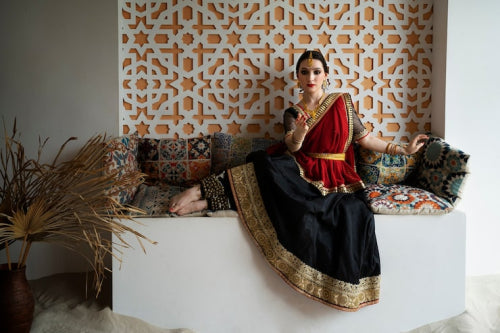
The colour story for 2026 sarees draws deeply from India's festive and seasonal traditions while making room for subtler, mood-driven choices. Rich jewel tones deep emerald, royal sapphire, burnished gold, and classic bridal red remain powerful for celebrations and weddings. At the same time, earthy neutrals, soft terracottas, muted olives, and warm taupes are rising fast, reflecting the broader appetite for sustainable and versatile wardrobes.
In diaspora communities across the US, UK, and Australia, softer pastels and nature-inspired shades often appear layered with traditional motifs, creating looks that feel fresh yet respectful of heritage. Vibrant oranges, electric blues, and sunset corals, meanwhile, maintain strong appeal in style-forward cities like Singapore and Dubai.
Real-World Impact: Brands and Moments
Leading ethnic wear houses such as Manyavar-Mohey and BIBA continue to set benchmarks. Their strong online presence, thoughtful use of personalisation technology, and festival-timed collections consistently drive impressive engagement. During peak wedding and festive seasons, these brands illustrate how cultural moments can translate into powerful commercial success.
In Dubai, high-profile fashion events regularly showcase innovative saree presentations that draw international attention. Meanwhile, boutique retailers in Melbourne and London are quietly building loyal followings by offering carefully curated selections of sustainable and handcrafted pieces that speak directly to diaspora customers seeking authenticity.
- Wedding and festive seasons remain the strongest commercial drivers for saree and lehenga sales.
- Diaspora communities play a vital role in sustaining demand for traditional silhouettes outside India.
- Omni-channel strategies combining physical stores with robust digital experiences are proving essential for reaching younger, convenience-focused buyers.
Persistent Challenges Worth Watching
Growth does not come without friction. Seasonal demand tied to weddings and major festivals still creates inventory and cash-flow pressures for many brands. Rapid urbanisation continues to threaten the survival of traditional weaving communities, putting irreplaceable handloom knowledge at risk.
Concerns around cultural authenticity also surface regularly, especially when fusion designs stray too far from their roots. Supply-chain vulnerabilities particularly for markets reliant on imports can lead to price volatility, while the rise of counterfeit products online demands constant vigilance from both brands and consumers.
Mitigating Risks in a Digital Age
Counterfeit goods remain a serious issue in online ethnic wear sales. Technologies such as augmented reality try-ons are slowly gaining adoption as tools to build shopper confidence and reduce returns. Brands that invest early in trust-building features tend to outperform competitors in crowded digital marketplaces.
Opportunities Waiting to Be Captured
The runway for growth remains wide open. E-commerce continues to lower barriers, allowing even small artisan labels to reach customers across continents. Personalisation whether through AI-assisted tailoring suggestions or custom colour and motif choices offers brands powerful ways to deepen customer relationships.
Partnerships between mainstream retailers and authentic handloom cooperatives create compelling stories that resonate with values-driven buyers. In tech-forward markets, virtual fitting rooms and immersive online experiences are already shifting how younger shoppers discover and purchase sarees.
- Festive and wedding peaks deliver outsized revenue opportunities every year.
- Transparent, sustainable sourcing builds long-term brand loyalty.
- Digital tools that enhance discovery and confidence accelerate global reach.
Looking Ahead: Grace, Relevance, and Evolution
The saree enters 2026 not as a relic, but as a living, breathing garment that continues to adapt without losing its soul. Its ability to carry profound cultural meaning while embracing modern lifestyles ensures its place at the centre of Indian fashion and increasingly, global wardrobes. For brands, designers, and retailers, the path forward lies in balancing respect for tradition with intelligent innovation: honouring artisans, embracing responsible materials, and meeting consumers wherever they are online or in person.
Ultimately, the saree's enduring power rests in its versatility. It can be regal or relaxed, ceremonial or casual, deeply traditional or strikingly contemporary. As it continues to evolve, it remains one of the most eloquent ways to wear identity, memory, and aspiration all at once.
Frequently Asked Questions
What are the biggest saree trends to look out for in 2026?
The dominant saree trend in 2026 is the rise of fusion aesthetics traditional drapes reimagined with modern tailoring elements like pre-draped styles, asymmetric hems, detachable sleeves, and contemporary pairings with cropped blouses, corset tops, or even sneakers. These hybrid designs make sarees practical for everyday urban wear without sacrificing elegance. Younger shoppers in cities across India and global diaspora hubs like Dubai, Singapore, and London are especially embracing this evolution.
Which fabrics and sustainable materials are trending in sarees for 2026?
Sustainability is now a mainstream priority in saree fashion, with organic cotton, handwoven khadi, upcycled silk, and bamboo-based blends gaining strong momentum among conscious consumers. Alongside eco-friendly options, authentic handloom weaves including Banarasi brocades, Kanjeevarams, and Chanderi remain highly coveted for their artisanal craftsmanship and cultural storytelling. Brands that source transparently from weaving communities and support fair-trade practices are building lasting customer loyalty.
What saree colours will be most popular in 2026?
For celebrations and weddings, rich jewel tones like deep emerald, royal sapphire, burnished gold, and classic bridal red continue to dominate. At the same time, earthy neutrals soft terracottas, muted olives, and warm taupes are surging in popularity, driven by the broader appetite for versatile, sustainable wardrobes. In diaspora communities across the US, UK, and Australia, pastel shades layered with traditional motifs offer a look that feels both fresh and heritage-rooted.
Disclaimer: The above helpful resources content contains personal opinions and experiences. The information provided is for general knowledge and does not constitute professional advice.
You may also be interested in: Timeless Colors: 6 Classic Shades That Always Stay in Style
Fast fashion erodes cultural heritage, sidelining artisans and reducing traditions to trends. At IndieHaat, we champion India's craftspeople with handcrafted sarees, apparel, décor, and skincare rooted in authenticity. Each piece embodies skill and ethical care. Support artisans and preserve India's timeless legacy Shop Now!
Powered by flareAI.co