Documenting the Stories Behind Artisan-Led Saree Collections
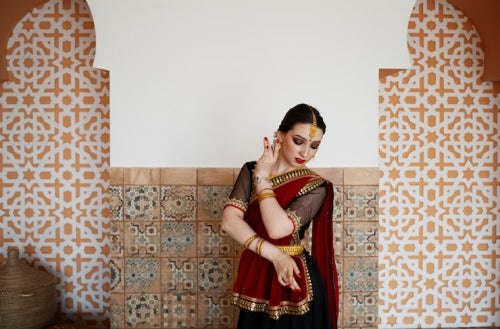
Every saree tells a story one woven not just with threads but with generations of skill, cultural heritage, and personal dedication. In the world of artisan-led saree collections, these narratives transform simple garments into living embodiments of India's rich textile traditions. At platforms like Indiehaat, connecting directly with craftspeople brings these stories to life, allowing enthusiasts to appreciate the human element behind each handwoven piece.
Fast fashion erodes cultural heritage, sidelining artisans and reducing traditions to trends. At IndieHaat, we champion India's craftspeople with handcrafted sarees, apparel, décor, and skincare rooted in authenticity. Each piece embodies skill and ethical care. Support artisans and preserve India's timeless legacy Shop Now!
The Timeless Craft of Handloom Weaving
Indian handloom artisans have sustained one of the world's oldest textile traditions, with techniques referenced in ancient texts and refined across diverse regional ecosystems. From the silk sarees of Banaras to the ikat patterns of Odisha and the grandeur of Kanjeevaram weaves, each collection carries the imprint of specific geographies, mythologies, and communal expertise passed through families.
These artisan-led saree collections highlight the dedication required to master complex processes that blend creativity with cultural symbolism. Weavers spend years perfecting their skills, often learning from elders in tight-knit communities where knowledge flows like the yarns on their looms. This Heritage creates pieces that feel deeply personal, connecting the wearer to centuries of artistry.
These crafts employ millions, particularly women in rural areas, serving as a vital economic pillar second only to agriculture. Artisan-led saree collections highlight the dedication required to master complex processes that blend creativity with cultural symbolism. Challenges persist, including competition from mechanized production and the need to attract new practitioners, yet renewed interest from designers and conscious consumers offers hope. Initiatives promoting direct connections between buyers and weavers help ensure fair compensation and continued innovation within traditional frameworks. By focusing on the human stories the years of apprenticeship, the familial transmission of knowledge, and the pride in creating pieces that transcend trends these collections foster deeper appreciation. They position sarees as investments in living heritage, where each drape connects the wearer to India's multifaceted cultural tapestry and supports the artisans who keep it vibrant.
Regional Traditions That Define Indian Sarees
Bengal's handloom sarees exemplify how artisan communities transform regional identity into exquisite wearable art. Traditions like Tant, Baluchari, Jamdani, and Kantha weaves have evolved over centuries, incorporating influences from Mughal patronage to post-independence revival movements.
Weavers dedicate weeks or months to each saree, carefully selecting threads, applying natural or vibrant dyes, and executing intricate motifs inspired by nature, mythology, and everyday life. These elements make each piece unique, reflecting not just technical mastery but the soul of the region it comes from. For those exploring stories behind handmade sarees, understanding these regional variations adds layers of appreciation.
These pieces feature in festivals such as Durga Puja and weddings, reinforcing social and cultural bonds. The craft's survival amid modern pressures underscores the importance of documenting artisan stories detailing the patience required on traditional looms, the transmission of specialized skills, and the personal narratives of families devoted to this heritage. Challenges like raw material costs and youth disinterest highlight the need for market support that values authenticity over volume. When brands curate collections around these stories, they not only preserve techniques but also empower communities by connecting them to appreciative buyers. Each Bengal handloom saree thus becomes a bridge between past mastery and contemporary relevance, celebrating the human creativity that machines cannot duplicate and reinforcing the cultural significance of artisan-led production.
The Human Stories Behind Every Drape
Beyond the beauty of the fabric lies the profound human journey of the artisans. Many come from families where weaving is a way of life, with skills honed through apprenticeships that span decades. The patience required on traditional looms, the transmission of specialized skills, and the personal narratives of families devoted to this heritage form the true foundation of artisan textile stories in India.
Documenting these stories helps preserve not only techniques but also the cultural context that gives them meaning. When buyers learn about the weaver's inspirations or the challenges overcome in creating a particular motif, the saree becomes more than clothing it becomes a connection to living heritage.
Challenges Facing Today's Artisans
Despite their cultural importance, handloom weavers face ongoing pressures. Competition from mechanized production threatens traditional methods, while attracting younger practitioners remains a key concern. Raw material costs and shifting market dynamics add complexity to sustaining these age-old crafts.
Yet, renewed interest from conscious consumers and designers offers hope. Initiatives that promote direct connections between buyers and weavers help ensure fair compensation and encourage continued innovation within traditional frameworks. This support is vital for keeping artisan-led saree collections vibrant and sustainable.
Why Documenting Artisan Narratives Matters
Sharing the stories behind handmade sarees elevates the entire experience of ethical saree fashion. It moves the conversation beyond aesthetics to the values of authenticity, sustainability, and cultural preservation. Consumers increasingly seek pieces with provenance, wanting to know who created them and under what conditions.
For saree enthusiasts and ethical fashion consumers, these narratives provide deeper engagement. Whether for special occasions like weddings or festivals such as Durga Puja, understanding the craftsmanship adds emotional resonance. Handwoven saree heritage becomes a bridge between past and present, celebrating human creativity that machines cannot replicate.
Curating Collections with Purpose
Brands focused on artisan-led saree collections play an essential role by prioritizing transparency and direct sourcing. By highlighting individual weavers and their communities, they foster appreciation and create market demand that values quality over quantity. This approach supports rural economies where these crafts remain a vital source of livelihood, particularly for women.
Practical benefits extend to buyers who gain access to authentic, high-quality pieces while contributing to the preservation of traditional skills. Exploring sustainable saree brands in India through such curated marketplaces reveals opportunities to make meaningful choices in fashion.
Connecting with Heritage in Modern Times
In today's fashion landscape, the appeal of handcrafted sarees continues to grow among diaspora communities and global enthusiasts alike. These pieces offer a way to stay connected to roots while embracing contemporary styles. The focus on stories behind handmade sarees helps modern consumers make informed, values-aligned purchases.
Whether selecting a Banarasi silk for a significant milestone or a lightweight Tant for everyday elegance, the human element enriches the experience. Platforms that facilitate direct artisan connections make this cultural exchange more accessible and impactful.
As interest in artisan textile stories India deepens, documenting and sharing these narratives ensures that the legacy of handloom weaving endures. Each saree becomes not only a garment but a testament to resilience, creativity, and cultural continuity. By supporting ethical creators through thoughtful curation, we help sustain the vibrant tapestry of Indian handcrafted traditions for generations to come.
Frequently Asked Questions
What are artisan-led saree collections and why are they important?
Artisan-led saree collections are curated garments created directly by skilled handloom weavers and traditional craftspeople, often preserving centuries-old textile techniques. They are important because they sustain cultural heritage, support rural livelihoods, and ensure fair compensation for artisans. These collections also help keep traditional weaving practices alive in the face of mechanized mass production. By emphasizing craftsmanship and storytelling, they turn each saree into a piece of living heritage.
How do handloom sarees preserve India's cultural heritage and regional traditions?
Handloom sarees preserve India's cultural heritage by showcasing region-specific weaving styles such as Banarasi, Kanjeevaram, Jamdani, and Baluchari. Each design reflects local geography, mythology, and centuries-old artistic traditions passed down through generations of weavers. These sarees are often created using techniques refined over hundreds of years, making them cultural artifacts as well as garments. They also play an important role in festivals and ceremonies, reinforcing their cultural significance.
Why is documenting the stories behind handmade sarees important for ethical fashion consumers?
Documenting the stories behind handmade sarees helps ethical fashion consumers understand the people, skills, and traditions behind each garment. It creates transparency in the fashion supply chain and highlights the value of fair trade and sustainable production. These narratives also deepen appreciation for the craftsmanship involved, turning a saree into more than just clothing. By sharing artisan stories, brands encourage more conscious purchasing decisions and help preserve traditional weaving communities.
Disclaimer: The above helpful resources content contains personal opinions and experiences. The information provided is for general knowledge and does not constitute professional advice.
You may also be interested in: How to Purchase Artisan Sarees Direct from Weavers - Indiehaat.com
Fast fashion erodes cultural heritage, sidelining artisans and reducing traditions to trends. At IndieHaat, we champion India's craftspeople with handcrafted sarees, apparel, décor, and skincare rooted in authenticity. Each piece embodies skill and ethical care. Support artisans and preserve India's timeless legacy Shop Now!
Powered by flareAI.co