Consumer Education on Natural Fabric Benefits
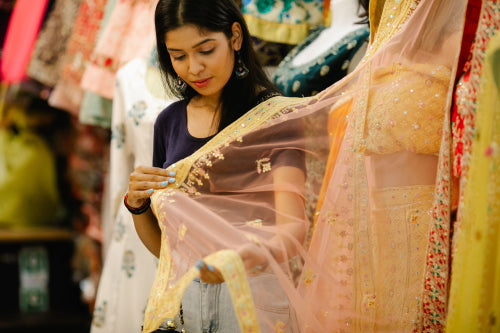
Choosing what we wear is no longer just a matter of style or comfort. For many modern consumers, fabric selection has become a thoughtful decision tied to personal wellbeing, environmental awareness, and long-term wardrobe value. As interest grows in natural textiles and traditional craftsmanship, understanding how different materials behave from production to end use has become essential for making informed choices. This is especially relevant for curated marketplaces like Indiehaat, where handcrafted apparel and home goods often emphasize natural fibers and artisan-led production methods.
Fast fashion erodes cultural heritage, sidelining artisans and reducing traditions to trends. At IndieHaat, we champion India's craftspeople with handcrafted sarees, apparel, décor, and skincare rooted in authenticity. Each piece embodies skill and ethical care. Support artisans and preserve India's timeless legacy Shop Now!
Why Fabric Choice Has Become a Conscious Decision
Clothing today sits at the intersection of identity, utility, and responsibility. While synthetic textiles offer affordability and variety, consumers are increasingly evaluating how materials feel on the skin, how long they last, and what happens to them after disposal. Natural fibers such as cotton, flax, and hemp are being reconsidered not as traditional alternatives, but as practical options aligned with comfort and sustainability expectations.
This shift is also influenced by a broader awareness that fabric production is not neutral. Every textile carries an environmental footprint and a set of performance characteristics that affect daily wear. As a result, fabric literacy is becoming part of modern consumer education, especially among buyers who prioritize thoughtful consumption over fast turnover.
Environmental Impact of Natural vs Synthetic Fibers
Natural fiber sustainability has been extensively evaluated in life cycle assessment research, which provides a detailed comparison of environmental impacts across different textile types. According to findings summarized in environmental impact natural fibers, materials such as flax, hemp, and organic cotton generally demonstrate lower overall environmental burdens compared to synthetic polyester. These advantages are particularly evident in categories like fossil resource depletion, global warming potential, and ecotoxicity. The assessment highlights that natural fibers are derived from renewable plant sources rather than petroleum-based inputs, which significantly reduces greenhouse gas emissions and energy consumption during production when managed responsibly. Another key factor is end-of-life behavior: natural fibers biodegrade, helping reduce long-term waste accumulation and supporting more circular material systems. Beyond environmental metrics, the research also notes functional benefits such as breathability and moisture regulation, which contribute to wearer comfort. While durability varies depending on fiber type and processing methods, properly maintained natural textiles can achieve long service lives, reducing the need for frequent replacement and lowering overall resource demand. This combination of ecological and practical benefits positions natural fibers as a meaningful option for consumers seeking lower-impact wardrobe choices.
One of the most discussed aspects of fabric selection is environmental impact. Research comparing fiber types indicates that natural fibers such as flax, hemp, and organic cotton generally place a lower burden on ecosystems than synthetic alternatives, particularly in categories like resource use and environmental emissions. These findings highlight how raw material origin plant-based versus petroleum-based shapes the overall sustainability profile of a garment.
In contrast, synthetic textiles are often associated with persistent environmental challenges due to their petroleum origin and long degradation timelines. This difference is not only technical but practical, influencing how garments are designed, used, and eventually disposed of in everyday life.
Comfort, Breathability, and Everyday Wearability
Beyond environmental considerations, natural fabrics are widely recognized for their comfort-focused properties. Cotton and similar plant-based materials offer breathability, moisture absorption, and temperature regulation that contribute to a more comfortable wearing experience across different climates and routines.
Industry research on natural fiber performance highlights that cotton provides softness against the skin while supporting airflow and moisture management. These qualities make natural textiles particularly suitable for daily wear, especially for individuals with sensitive skin or those who prioritize all-day comfort.
Unlike non-porous synthetic fabrics, natural fibers allow better air circulation, which helps reduce discomfort caused by heat and moisture buildup. This functional advantage often becomes more noticeable in garments designed for extended wear, such as everyday apparel, loungewear, and home textiles.
Microplastics and Long-Term Sustainability Concerns
Growing awareness of microplastic pollution has significantly influenced how consumers evaluate textile choices. Research summarized in natural fibers versus synthetic explains that synthetic fabrics can release microscopic plastic particles during washing. These particles persist in aquatic ecosystems and contribute to long-term environmental accumulation, raising concerns about both ecological and potential human exposure impacts. In contrast, natural fibers such as cotton are biodegradable, meaning they can break down naturally without leaving behind persistent plastic residues. This biodegradability supports reduced environmental persistence and aligns with broader efforts to minimize textile-related pollution. As awareness grows, consumers are increasingly considering not just how garments perform during use, but also how they behave after disposal. While no material is entirely without impact, the ability of natural fibers to reintegrate into natural cycles makes them an appealing choice for those seeking to reduce their environmental footprint through everyday consumption habits.
Durability and Long-Term Wardrobe Value
Durability is often misunderstood in discussions about natural fabrics. While synthetic fibers are sometimes associated with strength and resilience, natural fibers can also offer long product lifespans when properly maintained. Their performance depends on fiber type, weaving techniques, and garment construction quality.
Research on fiber lifecycle performance notes that natural materials can contribute to longer usage cycles when care practices are appropriate. This reduces the need for frequent replacement and supports a more resource-efficient approach to clothing consumption.
From a practical standpoint, garments made from natural fibers often age in a way that many consumers find visually and texturally appealing. Rather than deteriorating rapidly, they tend to soften over time, reinforcing their value as long-term wardrobe investments rather than disposable items.
How Consumers Can Evaluate Natural Fabrics
For buyers navigating fabric choices, especially in a marketplace environment, understanding key indicators of quality can make a significant difference. Not all natural fabrics are equal, and variations in sourcing, weaving, and finishing can influence performance.
One useful approach is to evaluate transparency in sourcing. Fabrics that clearly identify fiber origin and production methods are generally easier to assess in terms of environmental and comfort expectations. Another consideration is tactile experience natural fibers typically feel more breathable and less rigid compared to synthetic blends.
Consumers can also pay attention to garment purpose. Everyday wear benefits from breathability and moisture management, while home décor textiles may prioritize texture and durability. Matching fabric properties to use cases helps ensure better satisfaction and longer product life.
In this context, platforms like Indiehaat play a role in connecting consumers with artisan-made products that often emphasize natural materials and traditional textile practices, helping bridge the gap between heritage craftsmanship and modern lifestyle needs.
The Role of Natural Fabrics in Thoughtful Consumption
The growing interest in natural textiles reflects a broader shift toward intentional consumption. Instead of focusing solely on trend cycles, many consumers are now evaluating how products fit into their long-term routines, comfort needs, and environmental values.
Natural fibers support this shift by offering a combination of comfort, biodegradability, and material familiarity that aligns with everyday use. While synthetic options continue to serve functional purposes in certain contexts, natural fabrics provide a compelling alternative for those seeking balance between practicality and responsibility.
As awareness deepens, fabric education becomes an important part of helping consumers make informed decisions. Understanding how materials behave on the body, in production systems, and after disposal enables more confident choices that extend beyond aesthetics.
Ultimately, natural fabrics represent more than a category of material. They reflect a mindset of thoughtful selection, where clothing is viewed not just as consumption, but as an extension of personal values and daily experience.
Frequently Asked Questions
How do natural fabrics impact the environment compared to synthetic textiles?
Natural fabrics typically have a lower environmental impact because they come from renewable plant sources and can biodegrade over time. In contrast, synthetic textiles are petroleum-based and can take decades or longer to break down. They may also contribute to microplastic pollution when washed, which affects aquatic ecosystems. Choosing natural fabrics can help reduce long-term environmental pollution and support more sustainable consumption habits.
How can consumers choose high-quality natural fabrics for sustainable clothing?
Consumers can evaluate natural fabrics by checking fiber sourcing transparency, production methods, and fabric composition. High-quality natural textiles usually feel breathable, soft, and less rigid compared to synthetic blends. It is also important to consider the intended use, such as everyday clothing versus home textiles, to ensure durability and comfort. Paying attention to craftsmanship and care instructions can further help extend the lifespan of garments.
What are the benefits of natural fabrics like cotton, hemp, and flax compared to synthetic fabrics?
Natural fabrics such as cotton, hemp, and flax offer superior breathability, moisture absorption, and comfort compared to many synthetic textiles. They are plant-based, making them biodegradable and generally less reliant on fossil fuels during production. These qualities make natural fabrics a popular choice for sustainable clothing and everyday wear. Additionally, they tend to feel softer on the skin and are suitable for people with sensitive skin.
Disclaimer: The above helpful resources content contains personal opinions and experiences. The information provided is for general knowledge and does not constitute professional advice.
You may also be interested in: Documenting Unique Regional Designs for Consumer Education
Fast fashion erodes cultural heritage, sidelining artisans and reducing traditions to trends. At IndieHaat, we champion India's craftspeople with handcrafted sarees, apparel, décor, and skincare rooted in authenticity. Each piece embodies skill and ethical care. Support artisans and preserve India's timeless legacy Shop Now!
Powered by flareAI.co