Indias Handloom Industry Empowers Women Artisans Nationwide
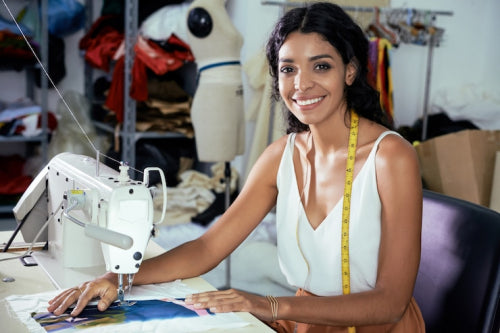
In the serene villages of Assam, where the Brahmaputra River flows gently, women artisans sit at wooden looms, their skilled hands weaving vibrant threads of silk and cotton. The rhythmic clack of the shuttle echoes through the air a sound that signifies more than craftsmanship. It's the heartbeat of communities, a testament to resilience, and a pathway to empowerment. India's handloom industry, with roots tracing back to the Indus Valley Civilization, is not a relic of the past but a dynamic force shaping the future, led predominantly by women.
This is a story of revival and transformation. The global handloom market, valued at USD 8.32 billion in 2024, is projected to grow to USD 16.62 billion by 2032, achieving a compound annual growth rate (CAGR) of 9.24%, according to Fortune Business Insights. In India, the saree market alone reached USD 5.76 billion in 2024 and is expected to expand to USD 10.33 billion by 2033, with a CAGR of 6.70% IMARC Group. Women, who constitute 72% of the sector's 3.6 million weavers and allied workers, are the driving force behind these figures, crafting not only textiles but also economic independence and cultural legacy Save Handloom.
Reviving Tradition for a Modern World
Step into an urban boutique or browse an e-commerce platform like IndieHaat, and handwoven textiles command attention. From Banarasi sarees with intricate gold motifs to block-printed kurtas from Rajasthan and embroidered shawls from Kutch, these creations have transcended traditional boundaries to grace global fashion stages. The global ethnic wear market, valued at USD 108 billion in 2024, is projected to reach USD 198 billion by 2033, growing at a CAGR of 6.97%, fueled by demand for authentic, sustainable craftsmanship Global Growth Insights.
Several factors propel this resurgence. Consumers are increasingly drawn to slow fashion, valuing the eco-friendly nature of handloom products woven on traditional looms using natural fibers like cotton, silk, and wool. Government initiatives, such as the India Handloom Brand and Handloom Mark, ensure authenticity and fair compensation for weavers, enhancing trust and traceability IMARC Group. Platforms like IndieHaat connect rural artisans directly with consumers, eliminating exploitative intermediaries and expanding market access.
A new generation of artisans is also redefining the craft. In regions like Tamil Nadu and West Bengal, young women in their 20s are embracing weaving, blending ancestral techniques with contemporary aesthetics. “My grandmother wove for our family,” one weaver from Assam shared. “I weave for the world, and I'm teaching my sister to dream big.” These women are not merely preserving tradition they're making it a viable, modern career.
Women Weaving Change
In the sun-scorched landscapes of Kutch, a women's weaving cooperative is transforming lives. Fifty artisans, many of whom are single mothers, operate a micro-enterprise crafting vibrant Bhujodi shawls. Sold through platforms like IndieHaat, their work has elevated them from dependents to providers. “My weaves pay for my son's education,” one artisan said, her voice steady with pride. “I'm no longer invisible.”
Similar stories unfold in Assam, where women are revitalizing Muga silk, a golden fabric unique to the region. Their cooperatives leverage e-commerce to ship sarees to international markets, from Mumbai to Melbourne. IndieHaat's direct-sourcing model ensures these artisans earn significantly more than through traditional channels, boosting rural economies. Each saree is a masterpiece, reflecting skills passed down through generations.
The broader impact is profound. The Fourth All India Handloom Census reports that 3.6 million people, predominantly women, are engaged in the sector Save Handloom. Beyond economics, weaving preserves India's cultural mosaic through iconic patterns like Chanderi, Kanjeevaram, and Pochampally. William Nanda Bissell, chairman of Fabindia, a trailblazer in handloom retail, aptly stated, “The loom empowers; it's a tool for progress, not just production.”
Challenges in the Weave
Despite its promise, the handloom sector faces significant hurdles. Women weavers often lack direct market access, relying on middlemen who siphon off profits. Wages can be as low as USD 2 per day, insufficient to support families. The sector has also contracted, with weaver numbers dropping from 4.3 million in 1995 to 2.6 million in 2020, driven by competition from power looms and the pull of urban opportunities Save Handloom.
Gender-specific barriers exacerbate these issues. Many women balance weaving with domestic responsibilities, limiting their productivity and mobility. Access to training, quality raw materials, and digital tools is inconsistent, particularly in remote areas. While younger artisans are joining the trade, the next generation often views weaving as outdated without robust support systems to make it financially viable.
Opportunities for a Vibrant Future
Yet, the future holds promise. Platforms like IndieHaat are revolutionizing the industry by connecting artisans directly to global consumers, ensuring fairer prices and greater visibility. Government and NGO initiatives are also pivotal, providing training in digital literacy and modern design techniques. In Uttar Pradesh, solar-powered looms have been introduced to women's cooperatives, enhancing efficiency while maintaining sustainability.
The global demand for handloom products is surging, with the market projected to reach USD 17 billion by 2033, according to Market.us. This growth is driven by eco-conscious consumers, with 50% of Gen Z favoring fusion styles that blend tradition with modernity Global Growth Insights. High-profile endorsements, from celebrities wearing handloom sarees at international events to designers incorporating artisanal fabrics in couture, further amplify demand.
Handloom is more than a craft it's a symbol of India's cultural resilience and soft power. “When someone wears my saree,” a Varanasi weaver reflected, “they carry my heritage, my story, across borders.” This global resonance underscores the sector's potential to empower and inspire.
A Tapestry of Empowerment
India's handloom industry stands at a pivotal moment, where tradition and innovation intertwine. Women artisans are not just contributors but trailblazers, weaving economic self-reliance, cultural pride, and environmental sustainability into every thread. However, sustaining this revival demands collective action. Governments must bolster training and infrastructure, consumers must prioritize handmade goods, and platforms like IndieHaat must continue amplifying artisan voices.
As dusk falls over a village in Andhra Pradesh, an artisan carefully folds a Pochampally saree, its geometric patterns catching the fading light. She may not know its final destination, but she knows it embodies her skill, her struggle, and her strength. “Each weave is a victory,” she says, her smile radiating quiet confidence.
The choice is ours. By supporting handwoven products, we invest in artisans, preserve heritage, and weave empowerment into every purchase. The loom is spinning let's ensure its momentum endures.
Disclaimer: The above helpful resources content contains personal opinions and experiences. The information provided is for general knowledge and does not constitute professional advice.
You may also be interested in: Empowering India's Handmade Fashion: The Transformative Power
Fast fashion erodes cultural heritage, sidelining artisans and reducing traditions to trends. At IndieHaat, we champion India's craftspeople with handcrafted sarees, apparel, décor, and skincare rooted in authenticity. Each piece embodies skill and ethical care. Support artisans and preserve India's timeless legacy Shop Now!
Powered by flareAI.co