Curated E-Commerce Platforms Highlight Authentic Indian Crafts
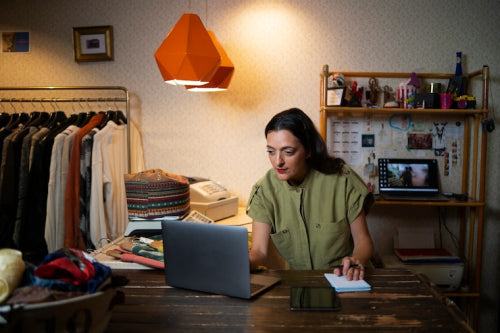
In a quiet village in West Bengal, a weaver works her loom, threading silk into patterns that echo centuries of tradition. Her sarees, once sold only in nearby markets, now grace wardrobes in Sydney, Dubai, and Seattle, thanks to curated e-commerce platforms like IndieHaat. This isn't just commerce it's a global bridge, connecting artisans to buyers who value craftsmanship over mass production. IndieHaat and its peers are at the forefront of a digital revolution, bringing India's rich handicraft heritage to discerning consumers worldwide.
The global demand for handmade, sustainable products is soaring. The global handicrafts market, valued at $739.95 billion in 2024, is projected to reach $983.12 billion by 2030, growing at a compound annual growth rate (CAGR) of 4.9%. India, a key player, saw its handicraft market generate $44,792.8 million in 2023, with forecasts predicting a rise to $71,336.7 million by 2030 at a CAGR of 6.9%, according to market research. Platforms like IndieHaat are capitalizing on this trend, delivering authentic Indian crafts linen tunics, cotton shawls, and silk sarees to buyers in India, the US, Singapore, Australia, the UK, and the UAE.
Empowering Artisans Through Curation
IndieHaat stands out in the crowded e-commerce landscape. Unlike mass-market retailers, it curates handmade products sourced directly from artisans, emphasizing authentic fabrics like linen, silk, and cotton, unique designs, and a commitment to preserving traditional craftsmanship. Each item tells a story of the artisan's skill, the region's heritage, and the hours spent perfecting it. This focus on authenticity resonates with consumers seeking meaningful alternatives to fast fashion.
IndieHaat's social media presence, particularly on Instagram, Facebook, and YouTube, amplifies these narratives. Its community, including conscious fashion enthusiasts, champions slow fashion through posts about handwoven textiles and sustainable décor. Social media engagement featuring artisans crafting traditional fabrics has attracted significant attention from international buyers. This engagement transforms products into cultural touchstones, fostering a sense of connection.
The platform's approach aligns with a global shift toward authenticity. Consumers are increasingly choosing natural fibers and artisanal goods over synthetic, mass-produced items. IndieHaat's curated model places it alongside competitors like Jaypore and Okhai, but its hyper-local storytelling detailing the artisan, village, and technique behind each piece gives it a distinct edge.
Navigating the Challenges of Craft E-Commerce
Despite its strengths, IndieHaat faces significant obstacles. Premium pricing, a common issue for craft platforms, often raises eyebrows. A handwoven silk saree priced at a premium reflects the labor and quality involved, yet it competes with fast-fashion alternatives costing a fraction as much. Trust deficits also pose a challenge, as online buyers, particularly in markets like the UK or US, hesitate without the ability to touch or feel the product. Additionally, global logistics can complicate delivery while maintaining the integrity of delicate, handmade goods.
Competitors address these issues in varied ways. FabIndia, with its established brand and physical stores, builds trust through familiarity, while Suta leverages dynamic social media campaigns to showcase its weaves. IndieHaat tackles the trust gap with transparency, providing detailed product descriptions that explain the craft process. This openness fosters confidence, turning skeptics into buyers.
The tactile barrier remains a hurdle. IndieHaat counters this with high-quality visuals, comprehensive fabric details, and videos showcasing products in use. Social media content featuring products in dynamic settings has reassured buyers about their quality. Yet, competitors like Koskii and Chidiyaa, with their extensive catalogs, keep the competitive pressure high.
A Dynamic and Competitive Landscape
The curated craft market is thriving but crowded. Platforms like Dressfolk and VeryMuchIndian offer artisan-focused products, while Gotitli appeals to younger audiences with trendy, handcrafted accessories. Each carves a niche, but IndieHaat's strength lies in its unwavering commitment to authenticity. It doesn't just sell a shawl it shares the legacy of a weaver from Kutch, making every purchase a cultural investment.
India's e-commerce ecosystem supports this growth. The Open Network for Digital Commerce (ONDC), a government initiative, promotes seamless connections between shoppers, platforms, and retailers by enabling flexible logistics options. By April 2022, ONDC had secured ₹157.5 crore from 17 financial institutions, empowering platforms like IndieHaat to streamline global deliveries. This infrastructure, combined with India's vibrant e-commerce landscape, creates fertile ground for craft marketplaces.
Strategic Opportunities for Growth
IndieHaat has several avenues to strengthen its position. First, it can deepen its visual storytelling. While Instagram and YouTube are effective, producing mini-documentaries about artisans or hosting live Q&A sessions could convert curious visitors into loyal customers. For instance, a video series profiling weavers in Tamil Nadu could highlight the artistry behind each product, building emotional connections with buyers in the US or UAE.
Second, consumer education is critical to overcoming pricing objections. Blog posts or social media campaigns explaining the time-intensive process of crafting a silk saree could justify costs for hesitant buyers. Highlighting the environmental and social benefits of handmade goods could further sway eco-conscious consumers in Singapore or Australia.
The Indian diaspora in the US, UK, and UAE offers another opportunity. These communities, eager for authentic crafts that evoke home, could be targeted with campaigns like a Diwali collection promoted in expat Facebook groups. Collaborations with ethical fashion influencers could also boost visibility, showcasing IndieHaat's products to thousands of followers.
Finally, leveraging data from market insights can refine IndieHaat's strategy. The IMARC Group notes the ease of accessing timely, affordable market data, which could help IndieHaat identify high-demand products like woodwork or glassware, the latter being the fastest-growing segment in India's handicraft market.
Preserving Heritage, Building Futures
IndieHaat is more than a marketplace it's a movement to preserve India's artisanal legacy. Every saree, scarf, or table runner carries the weight of tradition, the skill of its maker, and the promise of a craft enduring in a modern world. As the global handicrafts market expands, platforms like IndieHaat demonstrate that commerce can coexist with cultural preservation.
The data underscores this potential. With India's handicraft market poised to reach $71,336.7 million by 2030, driven by segments like woodwork and glassware, the industry is on an upward trajectory. Yet, the true impact lies in the human stories. Weavers now support their families with steady incomes, enabling future generations to pursue education. A buyer in Singapore, wearing a handwoven saree at a celebration, feels tied to a distant village.
This is the essence of curated e-commerce: a thread that weaves artisans, buyers, and traditions into a global tapestry. IndieHaat, rooted in India's heritage and reaching for the world, is crafting that future, one handwoven masterpiece at a time.
Disclaimer: The above helpful resources content contains personal opinions and experiences. The information provided is for general knowledge and does not constitute professional advice.
You may also be interested in: Indiehaat | Traditional Artisanal Technologies in Handmade
Fast fashion erodes cultural heritage, sidelining artisans and reducing traditions to trends. At IndieHaat, we champion India's craftspeople with handcrafted sarees, apparel, décor, and skincare rooted in authenticity. Each piece embodies skill and ethical care. Support artisans and preserve India's timeless legacy Shop Now!
Powered by flareAI.co