Handcrafted Textiles Preserve Indias Regional Weaving Heritage
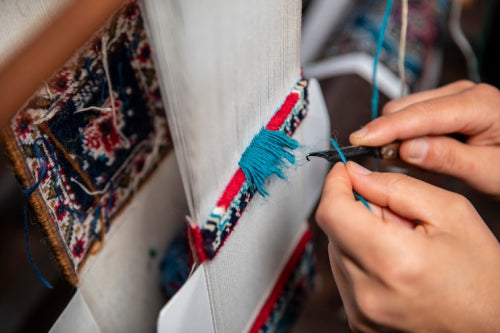
In the sun-dappled lanes of Bagru, a village near Jaipur, the steady thump of wooden looms fills the air. Artisans from the Chhipa community, their hands stained with indigo and madder, press intricately carved blocks onto cotton, crafting patterns that have defined Rajasthan's textile heritage for over four centuries. From the silk looms of Varanasi to the cotton weaves of Kutch, India's handcrafted textiles are not mere fabrics they are living legacies, woven with the stories of their makers. Today, as global fashion seeks authenticity over mass production, these age-old crafts are sparking a quiet revolution, propelled by platforms like IndieHaat that bridge rural artisans with discerning urban and international markets.
The global handloom market, valued at $7.8 billion in 2023, is projected to reach $17 billion by 2033, growing at a robust 8.1% annually. India, with its kaleidoscope of regional weaves, stands at the forefront of this resurgence. Yet, the path is not without obstacles: fast fashion, declining artisan engagement, and environmental pressures threaten to fray this rich tapestry. Through innovation, digital reach, and a renewed appreciation for sustainable craftsmanship, India's weaving traditions are not just surviving they are poised to redefine global fashion.
A Legacy Woven in Time
India's textile heritage is a vibrant chronicle of culture and craft. Banarasi silks gleam with golden zari, Pochampally ikats captivate with geometric precision, and Chanderi weaves meld silk and cotton into delicate translucence. These textiles are more than garments; they are heirlooms of history. The Indian textile industry, generating $114.2 billion in 2021, is expected to soar to $301 billion by 2030 at an 11.4% growth rate, with fashion as its largest segment and household applications growing fastest. Handlooms, though a smaller slice, embody the soul of sustainable artistry in an era dominated by disposability.
IndieHaat, a digital marketplace, is revitalizing these crafts by connecting artisans directly with global consumers. By ensuring fair compensation, it empowers communities where weaving is often the sole livelihood. This model transcends commerce it's a cultural lifeline. The global appetite for ethical fashion is elevating handlooms from village markets to Paris couture runways, where Indian embroiderers have long shaped luxury, as seen in Dior's collaboration with Mumbai's Chanakya School of Craft for a 3,600-square-foot embroidered tapestry in 2022.
Trends Threading Tradition with Innovation
The handloom revival is part of a broader embrace of slow fashion. Consumers, disillusioned by the homogeneity of mass production, crave textiles with a story. Designers are partnering with weaving clusters to reimagine traditional motifs for contemporary palettes. A 2019 research paper demonstrated how AI can craft modern designs for crafts like Ikat and Block Print, blending innovation with heritage to keep these arts competitive. Platforms like IndieHaat amplify this transformation, delivering Maheshwari sarees or Kutch shawls to global shoppers with unprecedented ease.
Handlooms are also gaining ground in luxury markets. The Indian handicrafts sector, valued at $44.8 billion in 2023, is forecasted to reach $71.3 billion by 2030, growing at 6.9% annually. While woodwork leads, textiles dominate, with handwoven rugs and curtains merging artistry with utility. This shift reflects a growing consumer preference for eco-conscious, artisanal products that carry cultural weight.
Regional Crafts, Global Resonance
In Gujarat's Kutch region, weavers craft shawls with bold, naturally dyed geometric patterns, rooted in nomadic traditions yet coveted by sustainable fashion labels. Karnataka's Ilkal sarees and Lambani embroidery, a vivid blend of handloom and tribal needlework, are finding favor in urban boutiques. Maheshwari weaves from Madhya Pradesh, with their airy silk-cotton blends, are redefining contemporary decor, from cushions to drapes. In Northeast India, Eri silk spun from cocoons without harming the moth is a beacon of cruelty-free fashion.
These crafts are economic anchors. The Indian textile market, valued at $240.8 billion in 2024, is projected to hit $475.7 billion by 2033 at a 6.84% growth rate, driven by giants like Arvind Limited but sustained by handloom's role in rural economies. IndieHaat's direct-to-consumer model ensures artisans reap fair profits, challenging the exploitation rampant in mass-market chains.
Challenges Threatening the Loom
The revival faces formidable hurdles. Machine-made imitations, cheaper and faster, flood markets, undercutting handlooms. A 2025 study on textile circularity notes that small enterprises struggle to adopt sustainable practices due to unclear frameworks and resource constraints. Younger artisans, lured by urban jobs with steadier incomes, are abandoning looms, risking the loss of generational skills. Rural clusters grapple with logistical barriers scarce raw materials, unreliable power, and challenges scaling for global demand. Over-commercialization also threatens to strip sacred motifs of their cultural depth.
Environmental pressures loom large. Rising temperatures, up 33.3°F since 1901, and pollution strain khadi and silk weaving, which depend on natural fibers like cotton and mulberry. The extinction of phuti karpas, a native cotton once used for Dhaka muslin's “woven air” fabrics, underscores the fragility of these ecosystems.
Opportunities for Sustainable Growth
Yet, the future holds promise. Government initiatives like Geographical Indication (GI) tagging and the Handloom Mark safeguard authenticity, deterring imitations. Trade fairs and exhibitions, from Delhi to Paris, spotlight India's weaves to global audiences. IndieHaat's digital storytelling lets consumers trace a textile's journey, fostering a personal connection. These efforts preserve heritage while creating jobs, especially for rural women, driving economic empowerment.
The rise of eco-luxury aligns perfectly with handloom's low-impact, biodegradable nature. IndieHaat's model, bypassing middlemen, ensures artisans benefit directly, supporting the circular economy principles outlined in the 2025 textile study, which advocates digitization to enhance supply chains. As global consumers prioritize sustainability, India's weavers are well-positioned to lead this shift.
A Future Woven with Intention
In an age of automation, India's handlooms stand as a testament to human artistry. “Each thread carries our history, our pride,” an IndieHaat artisan shares, her words resonating with quiet conviction. Textile scholars agree: preserving these crafts is not mere nostalgia but a blueprint for sustainable innovation. As eco-luxury and ethical fashion gain traction, India's weavers are ready to shape global trends if given the tools to overcome modern challenges.
The clack of looms in Bagru, the hum of silk in Assam, the deft hands in Karnataka these are the sounds of a heritage enduring. Choosing handcrafted textiles is more than a purchase; it's a commitment to sustaining India's cultural and ecological legacy. In this intricate dance of tradition and progress lies a vision: a world where every weave tells a story, and every thread binds us to a more conscious future.
Disclaimer: The above helpful resources content contains personal opinions and experiences. The information provided is for general knowledge and does not constitute professional advice.
You may also be interested in: Buy Plain Pure Silk Sarees Online | Luxurious Designs for Women
Fast fashion erodes cultural heritage, sidelining artisans and reducing traditions to trends. At IndieHaat, we champion India's craftspeople with handcrafted sarees, apparel, décor, and skincare rooted in authenticity. Each piece embodies skill and ethical care. Support artisans and preserve India's timeless legacy Shop Now!
Powered by flareAI.co