Varieties of Indian Handmade Jewelry
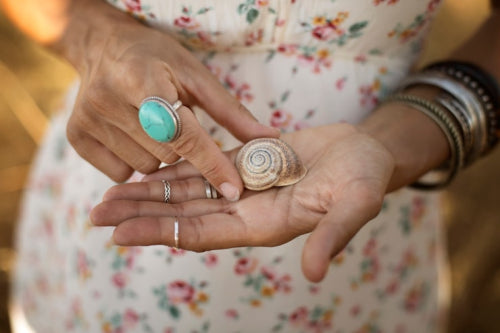
Imagine wandering through the bustling bazaars of Old Delhi, where the air hums with the rhythmic tap of hammers on metal and the sparkle of gemstones catches the light like captured stars. Here, generations of artisans transform raw materials into exquisite pieces that tell stories of empires, rituals, and resilience. In an era dominated by mass production, Indian handmade jewelry offers a refreshing counterpoint a fusion of ancient craftsmanship and modern sensibility that appeals to discerning buyers worldwide.
Fast fashion erodes cultural heritage, sidelining artisans and reducing traditions to trends. At IndieHaat, we champion India's craftspeople with handcrafted sarees, apparel, décor, and skincare rooted in authenticity. Each piece embodies skill and ethical care. Support artisans and preserve India's timeless legacy Shop Now!
Jewelry as a Cultural and Commercial Beacon
Indian handmade jewelry transcends mere decoration; it embodies a rich tapestry of cultural identity, woven into the fabric of societal milestones from births to marriages. Brides in elaborate gold ensembles during weddings or women adorning silver anklets for daily grace these are not just accessories but symbols of heritage and status. This timeless allure is now intersecting with a burgeoning global market, where consumers crave authenticity amid synthetic alternatives.
The global jewelry market, estimated at USD 366.79 billion in 2024, is poised for significant expansion, reaching USD 578.45 billion by 2033 with a compound annual growth rate of 5.3% from 2025 to 2033. This growth underscores a shift toward products that marry tradition with innovation, particularly in e-commerce arenas where artisanal items travel from rural workshops to international doorsteps. Asia Pacific leads this charge, commanding 60.2% of the market share in 2024, driven by expanding middle classes and entrenched cultural affinities for jewelry in nations like India and China.
In India, gold symbolizes prosperity, especially during festive seasons and nuptials, but the narrative is evolving. As ethical consumerism gains traction, handmade pieces stand out for their sustainable ethos and skilled labor. In Exploring the Varieties of Indian Handmade Jewelry: Craft, Culture, and Contemporary Appeal, we uncover how these creations are adapting, enchanting audiences from local markets to luxury boutiques across continents. This exploration highlights not only the artistry but also the economic vitality they inject into communities.
Emerging Trends in Handmade Jewelry
A palpable revival is underway in India's jewelry scene. Techniques like meenakari, with its bold enamel colors, and kundan, featuring uncut gems embedded in gold foil, are experiencing a resurgence. Artisans are revitalizing these methods, adapting them with subtle modern tweaks to resonate with international preferences. Tribal aesthetics, with their organic, untamed vibe, attract those yearning for genuine expression in a homogenized fashion world.
Sustainability is at the forefront of this evolution. Shoppers increasingly opt for eco-conscious metals and upcycled elements, mirroring a broader industry push toward responsible practices. Lab-grown diamonds exemplify this trend; a 2023 survey revealed that 17% of respondents favor purchasing them, while 33% prefer receiving such gems. In the Indian context, this translates to sourcing from ethical suppliers and ensuring equitable compensation for craftspeople, fostering a cycle of environmental and social responsibility.
Fusion styles are bridging cultural divides. Envision a choker that combines intricate Indian paisleys with clean Scandinavian lines, ideal for professional settings or evening gatherings. Technology amplifies this accessibility augmented reality enables virtual fittings, allowing customers to visualize adornments from afar. E-commerce is surging ahead, anticipated to expand at a 7.9% CAGR from 2025 to 2033, surpassing brick-and-mortar outlets. Influencers on social media platforms amplify visibility, converting digital engagement into tangible revenue.
Technological innovations further enrich the landscape. A notable June 2025 collection incorporated 3D-printed elements in platinum and titanium, demonstrating how digital tools can augment traditional handiwork without overshadowing the artisan's expertise. This synergy of heritage techniques and cutting-edge methods ensures the industry's dynamism, appealing to a diverse, tech-oriented clientele. Moreover, collaborations between designers and brands enhance prestige, while customizable, gender-neutral options cater to evolving tastes across demographics.
Categories and Varieties of Indian Handmade Jewelry
Diving deeper, temple jewelry originates from South India's sacred traditions. Craftsmen meticulously forge gold into representations of gods, lotuses, and mythical birds, pieces often donned for Bharatanatyam performances or religious rites. Their substantial weight and elaborate motifs evoke a sense of divine reverence, making them statement items that dominate any ensemble.
Tribal jewelry, by contrast, exudes primal energy. Spanning from Nagaland's highlands to Rajasthan's arid expanses, it employs silver spirals, seed-derived beads, and earthy stones to craft audacious forms. A pendant adorned with cowrie shells, for instance, might signify abundance and safeguarding, encapsulating narratives of nomadic journeys, endurance, and communal bonds. Its imperfect, hand-forged edges add to the charm, offering a stark alternative to polished luxury.
Kundan and meenakari exude imperial elegance. Kundan involves setting precious stones sans claws, relying on pure gold foil for a fluid, radiant effect. Meenakari complements this with enamel baked at intense temperatures, yielding colorful reverse-side artistry. These styles hark back to Mughal opulence, favored in bridal collections where each gem radiates extravagance and historical depth.
Filigree jewelry captivates with its finesse. In regions like Odisha's Cuttack and West Bengal's ateliers, silversmiths weave slender threads into ethereal designs blooming florals, soaring avians, swirling abstractions. Lightweight yet robust, it suits those desiring sophistication without ostentation, blending fragility with enduring strength.
Beaded and thread varieties provide democratic appeal. Vibrant glass orbs strung alongside silk macramé create explosion of hues for celebrations or routine wear. Their affordability and adaptability encourage layering, empowering users to curate personal expressions through color and texture combinations.
Contemporary fusion pushes innovation. Angular geometries echo modernist art, while hybrid motifs such as Indian mandalas intertwined with global patterns entice millennials. Sleek studs or modular bands transform heirlooms into daily staples. With necklaces projected to advance at a 5.8% CAGR, these diverse forms guarantee the relevance of Indian handmade jewelry in a dynamic market.
Real-World Applications and Case Studies
Triumphs in this realm are inspiring. Rural artisan groups are now exporting globally via digital hubs, with one Rajasthan cooperative elevating tribal motifs to international hits, invigorating local livelihoods and preserving skills.
Partnerships ignite creativity. Indian makers collaborate with overseas stylists, birthing collections that merge cinematic Indian flair with European minimalism. These alliances introduce age-old methods to fresh demographics, frequently via exclusive releases that vanish swiftly from shelves.
Platforms such as Etsy, Indiehaat, and Jaypore facilitate inclusivity, linking secluded creators with eager patrons and bypassing exploitative intermediaries for just remuneration. Indiehaat, notably, emphasizes eco-friendly offerings, converting online exploration into an educational voyage through India's craft heritage. As digital transactions escalate, these venues affirm that e-commerce can safeguard traditions while amplifying their reach.
Challenges and Limitations
Obstacles persist amid progress. Oversupply breeds rivalry from mechanized replicas that ape handmade aesthetics at lower costs, confusing consumers and eroding genuine value.
Logistics falter under expansion pressures. Amplifying output while upholding integrity demands more trained hands, yet funding and infrastructure lag. Moral dilemmas endure, including livable pay, workplace safety, and intellectual property safeguards against plagiarism.
Educating buyers remains crucial. Few comprehend the intensive effort in a filigree loop or the cultural lore in a tribal talisman, leading to perceptions of inflated pricing relative to factory goods.
Opportunities and Business Impacts
Prospects shine vividly. The ascent of conscientious style unlocks avenues, as worldly consumers pursue narratives beyond mere luster. Women, comprising 71.7% of the market in 2024, and 58% expressing desire for jewelry presents, position Indian handmade ideally.
Online commerce equalizes opportunities, enabling village artisans to connect with cosmopolitan clients through immersive AR experiences. Business gifting reframes these artifacts as premium tokens, with tailoring options like inscribed details heightening allure.
In India, gold's 54.9% dominance in 2024 suggests merging it with green initiatives could solidify Asia Pacific's lead. Rising incomes, fashion shifts, and luxury demands propel this, bolstered by sustainable branding and personalization.
Future Outlook for Indian Handmade Jewelry
Looking ahead, the industry envisions a balanced blend of tradition and innovation. India's craft heritage is set to play a central role in driving sustainable practices, where eco-friendly advancements align with cultural authenticity.
Advice includes advocating veracity via accreditations, adopting tech enhancements, and nurturing worldwide alliances. In essence, Indian handmade jewelry represents more than embellishment it's a testament to tenacity, ingenuity, and mindful living. Amid rapid change, these treasures urge us to pause, honor the creator's touch, and embrace history's elegance in our daily lives.
Frequently Asked Questions
What are the main types of Indian handmade jewelry and their characteristics?
Indian handmade jewelry encompasses several distinctive varieties, each with unique cultural significance. Temple jewelry from South India features elaborate gold designs representing gods and mythical motifs, while tribal jewelry uses silver spirals, seed beads, and earthy stones for bold, rustic appeal. Kundan and meenakari styles showcase Mughal-era elegance with uncut gems set in gold foil and colorful enamel work, and filigree jewelry from regions like Odisha creates delicate, lightweight designs using fine silver threads woven into intricate patterns.
Why is Indian handmade jewelry becoming more popular globally?
The global jewelry market's growth to an estimated USD 578.45 billion by 2033 reflects increasing consumer demand for authentic, sustainable alternatives to mass-produced items. Indian handmade jewelry appeals to eco-conscious buyers seeking ethically sourced materials and fair labor practices, while offering unique cultural narratives and superior craftsmanship. The rise of e-commerce platforms and social media influence has made these artisanal pieces more accessible to international markets, with fusion designs that blend traditional Indian motifs with contemporary aesthetics attracting diverse demographics.
How does technology impact traditional Indian jewelry making?
Technology is enhancing rather than replacing traditional Indian jewelry craftsmanship through innovative applications like 3D-printed elements in platinum and titanium that complement handmade techniques. E-commerce platforms are expanding at a 7.9% CAGR, enabling rural artisans to reach global customers directly, while augmented reality allows virtual fittings and better customer visualization. Digital marketplaces like Etsy and Jaypore connect isolated craftspeople with worldwide buyers, ensuring fair compensation while preserving traditional skills and cultural heritage in the modern marketplace.
Disclaimer: The above helpful resources content contains personal opinions and experiences. The information provided is for general knowledge and does not constitute professional advice.
You may also be interested in: Traditional Indian Jewelry Shines in Sustainable Fashion Movement
Fast fashion erodes cultural heritage, sidelining artisans and reducing traditions to trends. At IndieHaat, we champion India's craftspeople with handcrafted sarees, apparel, décor, and skincare rooted in authenticity. Each piece embodies skill and ethical care. Support artisans and preserve India's timeless legacy Shop Now!
Powered by flareAI.co