How Artisans Are Preserving Rare Handloom Techniques in Small Towns
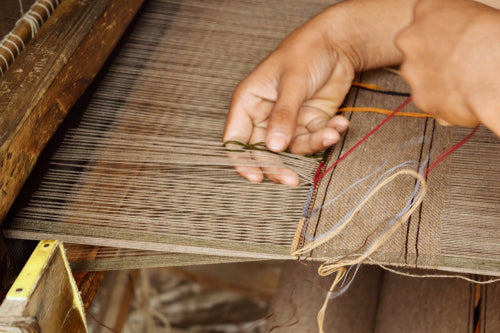
In the quiet lanes of Varanasi and the temple-adjacent weaving clusters of Kanchipuram, generations of skilled hands continue to create intricate patterns on looms that have changed little over centuries. These artisans are not simply producing cloth they are preserving a living cultural heritage in the face of rapid industrialisation. Across small towns in India, dedicated craftspeople are safeguarding rare handloom techniques, thoughtfully blending tradition with modern relevance to meet evolving consumer tastes.
This movement holds special significance today as more buyers seek products with authenticity, stories, and sustainability. For platforms like IndieHaat, which directly connects conscious consumers with these makers, supporting handloom preservation serves as both a cultural responsibility and a pathway for sustainable economic growth.
Fast fashion erodes cultural heritage, sidelining artisans and reducing traditions to trends. At IndieHaat, we champion India's craftspeople with handcrafted sarees, apparel, décor, and skincare rooted in authenticity. Each piece embodies skill and ethical care. Support artisans and preserve India's timeless legacy Shop Now!
The Enduring Legacy of Handloom Traditions
Handloom weaving represents far more than a livelihood in India's rural heartlands. It embodies generational wisdom, regional pride, and profound artistic expression. Techniques such as jamdani from West Bengal, ikat from Odisha and Andhra Pradesh, and the opulent Banarasi brocades weave centuries of history, festivals, and social customs into every thread.
In small towns, these crafts sustain entire communities. Families pass down not only technical skills but also deep knowledge of natural fibres, plant-based dyes, and motifs inspired by local flora, fauna, and mythology. The sector provides meaningful employment, particularly empowering rural women, while drawing cultural enthusiasts eager to experience the craft firsthand.
Government and Community Efforts Driving Revival
A quiet yet powerful renaissance is taking shape across India. Initiatives such as the Handloom Mark Certification by the Ministry of Textiles help authenticate genuine handwoven products, building greater consumer confidence. Artisans are also forming stronger partnerships with digital platforms, expanding their reach while maintaining creative control over their work.
The handloom industry continues to demonstrate remarkable resilience. According to insights from Save Handloom, it stands as the second-largest source of employment in India after agriculture, supporting over 3.5 million weavers and artisans, a majority of whom are women. This makes it a vital force for rural empowerment and economic stability.
India's handloom exports have shown steady growth, reflecting rising global appreciation for authentic, culturally rich textiles. This international interest is motivating younger artisans to remain connected to their roots while exploring contemporary adaptations.
Blending Timeless Techniques with Modern Design
The most effective preservation strategies today involve harmonising heritage with contemporary needs. Artisans experiment with fresh colour combinations, fusion patterns, and practical applications converting classic saree weaves into elegant dress materials or crafting beautiful home textiles suited to urban lifestyles. This creative evolution keeps rare techniques alive and relevant for new generations.
In small towns, NGOs and design workshops equip weavers with business skills alongside creative training. The outcome enriches rather than dilutes tradition. Complex methods like extra-weft weaving and double ikat now appear in scarves, stoles, and fusion garments that appeal to modern buyers without compromising authenticity.
Real Stories from India's Weaving Clusters
In Varanasi, families devoted to Banarasi silk weaving continue perfecting zari work and katan silk, producing heirloom pieces that feature prominently in weddings and special occasions across the world. In Pochampally, the meticulous process of ikat dyeing and weaving attracts admirers who value both the artistry and the painstaking technique behind each fabric.
Kanchipuram's weavers uphold the grandeur of pure silk sarees with intricate gold borders, techniques refined through generations of dedication. These small-town clusters showcase impressive continuity even as they respond to market demands through platforms that link them directly to appreciative buyers.
Internationally, boutique brands in the US and UK source ethically from these Indian artisans, emphasising fair trade and compelling narratives. In Singapore and the UAE, luxury retailers and cultural fairs highlight handloom fabrics in premium collections, while Australia's diverse markets embrace their sustainable appeal.
Overcoming Challenges in a Changing Landscape
Despite its strengths, preserving rare handloom techniques presents real challenges. Migration of young people to cities in search of alternative opportunities risks eroding specialised knowledge. Many weaver families express concern that their children perceive limited prospects in the craft, despite its rich cultural importance.
Competition from power looms and lower-cost machine-made fabrics remains significant, often resulting in imitation products that lack the soul and durability of true handloom. Issues around raw material quality, fair compensation, and steady market access continue to test small-town producers.
Fortunately, these pressures are catalysing positive change. Community cooperatives, skill development programmes, and direct-to-consumer models enable artisans to capture greater value from their labour. Growing awareness among consumers about sustainable and ethically made goods offers a strong alternative to mass-produced uniformity.
The Rising Global Appreciation for Authentic Handloom
The appeal of handloom extends well beyond visual beauty. Every piece bears the unique imprint of human craftsmanship subtle variations that celebrate individuality, stories embedded in traditional motifs, and the satisfying knowledge that each purchase supports families in small towns dedicated to preserving their heritage.
In India, this work carries deep implications for rural economies and women's empowerment. The cultural resonance is especially strong within the Indian diaspora, creating emotional bonds through wearable heritage that connects people to their roots.
Why Preservation Matters for India's Future
Artisans in small towns are demonstrating that tradition can be resilient and adaptive. By evolving designs while protecting core techniques, they secure livelihoods and ensure the survival of invaluable cultural practices. Their efforts illustrate how sustainable development can honour the past while fostering economic strength in rural areas.
As discussions around fast fashion's environmental costs intensify, handloom's advantages minimal waste, natural materials, and human-centred production gain greater relevance. Platforms that amplify these artisan voices play an essential role in helping these crafts not just survive but truly flourish.
Supporting Artisans and Building a Sustainable Future
Every deliberate choice to choose genuine handloom products reinforces the hands that sustain these traditions. From exquisite sarees for meaningful occasions and versatile dress materials for daily elegance to distinctive home textiles that add warmth and character, supporting weavers generates positive impact throughout communities.
The narrative of handloom preservation in small towns inspires optimism. It highlights human creativity, cultural pride, and the power of craft to bridge distances and generations. In safeguarding these rare techniques, India's artisans are not merely looking to the past they are actively weaving a more conscious, beautiful, and culturally rich future.
The rhythmic clatter of looms echoes through countless small towns even today. Their continued vitality depends on our shared appreciation and support for the remarkable individuals who keep these living traditions breathing.
Frequently Asked Questions
What are the main handloom techniques being preserved in India?
India's artisans are safeguarding several rare and intricate handloom techniques, including jamdani from West Bengal, ikat dyeing from Odisha and Andhra Pradesh, and the opulent Banarasi brocades with zari work and katan silk. Other notable techniques include extra-weft weaving and double ikat, which are now being creatively adapted into contemporary garments like scarves, stoles, and fusion wear. These techniques represent centuries of regional history, festivals, and cultural customs woven into every thread, making them invaluable to India's cultural heritage.
How many weavers work in India's handloom industry?
According to Save Handloom, the handloom industry is the second-largest source of employment in India after agriculture, supporting over 3.5 million weavers and artisans, with a majority being women. This makes handloom a vital force for rural empowerment and economic stability, particularly in small towns across regions like Varanasi, Kanchipuram, and Pochampally. The sector provides meaningful employment while sustaining entire communities and preserving generational knowledge of natural fibers, plant-based dyes, and traditional motifs.
How are artisans blending traditional handloom techniques with modern design?
Today's artisans are experimenting with fresh color combinations, fusion patterns, and contemporary applications converting classic saree weaves into elegant dress materials and crafting home textiles suited to urban lifestyles. NGOs and design workshops equip weavers with business skills alongside creative training, allowing them to evolve their designs while protecting core techniques. This balance enriches rather than dilutes tradition, keeping rare methods alive and relevant for new generations while meeting the demands of global markets and conscious consumers seeking authentic, sustainable products.
Disclaimer: The above helpful resources content contains personal opinions and experiences. The information provided is for general knowledge and does not constitute professional advice.
You may also be interested in: Khadi Khakis on Poetry in Threads: Celebrate Tagore Jayanti in Elegance
Fast fashion erodes cultural heritage, sidelining artisans and reducing traditions to trends. At IndieHaat, we champion India's craftspeople with handcrafted sarees, apparel, décor, and skincare rooted in authenticity. Each piece embodies skill and ethical care. Support artisans and preserve India's timeless legacy Shop Now!
Powered by flareAI.co