Handcrafted Sarees Reflect Conscious Consumer Choices in India
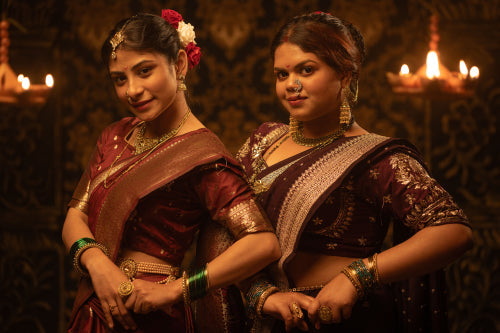
Handwoven textiles carry more than aesthetic value they embody generations of craft knowledge, community identity, and evolving consumer awareness. Among these, sarees created through traditional weaving practices have become a powerful symbol of how clothing choices can reflect deeper commitments to sustainability, cultural continuity, and ethical production. As fashion consumers increasingly evaluate not only what they wear but how it is made, handcrafted sarees are emerging as a meaningful expression of conscious consumption.
Fast fashion erodes cultural heritage, sidelining artisans and reducing traditions to trends. At IndieHaat, we champion India's craftspeople with handcrafted sarees, apparel, décor, and skincare rooted in authenticity. Each piece embodies skill and ethical care. Support artisans and preserve India's timeless legacy Shop Now!
The Rise of Conscious Consumer Fashion and Craft-led Choices
The shift toward more intentional purchasing decisions has reshaped how apparel is perceived, especially in categories deeply rooted in heritage. Rather than treating clothing as disposable, many buyers now approach garments as long-term investments in quality and meaning. Handcrafted sarees have naturally aligned with this mindset, offering a blend of artistry, durability, and cultural depth that mass-produced alternatives often lack.
This transition is not merely aesthetic. It reflects a broader rethinking of value where transparency, ethical production, and environmental responsibility increasingly influence purchasing decisions. Within this context, handcrafted sarees India have become representative of a wider movement toward mindful consumption, where each purchase is seen as a contribution to artisan livelihoods and ecological balance.
Revival of Handloom Traditions and Artisan Empowerment
Across India's weaving clusters, traditional techniques are being revived through renewed interest in handcrafted textiles. These efforts often focus on preserving endangered weaving practices while creating sustainable livelihood opportunities for artisan communities. One such example is the resurgence of regional saree traditions like the Udupi weave, which highlights how conscious consumer demand can directly influence cultural preservation.
Community-led handloom initiatives demonstrate how the revival of traditional weaving practices is deeply connected to sustainability and social equity. Revival of traditional handloom through community initiatives shows that grassroots programs focused on training women artisans in zero-electricity weaving and natural dyeing techniques significantly reduce environmental impact. These methods rely on locally sourced biodegradable materials and plant-based dyes, cutting chemical pollution and energy use compared to industrial textile production. The model also strengthens rural livelihoods by ensuring fair wages, reducing intermediary exploitation, and reinforcing transparent supply chains that benefit artisan communities directly.
Such initiatives illustrate a powerful feedback loop: when consumers choose handcrafted products, they help sustain traditional knowledge systems while strengthening rural economies. The saree, in this context, becomes more than attire it becomes a vessel for cultural continuity and economic empowerment.
Sustainability Practices Embedded in Handcrafted Sarees
Sustainability in textile production is often discussed in terms of innovation, but traditional handloom practices already incorporate many low-impact methods. Natural fibers, plant-based dyes, and manual weaving processes inherently reduce reliance on industrial energy and chemical-intensive production systems.
Research on traditional textile ecosystems highlights that natural dyeing techniques and locally sourced biodegradable materials significantly reduce pollution compared to industrial alternatives. These methods are not modern adaptations but longstanding practices embedded in craft traditions, demonstrating that sustainability and heritage are deeply interconnected.
Another key aspect of handcrafted sarees is the elimination of highly centralized supply chains. By reducing intermediaries, artisans gain greater control over pricing and distribution, ensuring that more value remains within their communities. This structure enhances transparency and reinforces ethical production standards, making sustainable sarees not just environmentally responsible but socially equitable as well.
Consumer Behavior and the Growth of Slow Fashion Mindsets
Consumer attitudes toward fashion are evolving in ways that prioritize longevity, storytelling, and responsible sourcing. Instead of frequently replacing garments, many buyers are now drawn to pieces that carry cultural meaning and lasting craftsmanship. This shift has strengthened demand for slow fashion categories, particularly in ethnic wear.
The role of awareness and engagement in shaping purchasing decisions is increasingly central to the growth of sustainable fashion. Consumer engagement in traditional Indian textiles explains how rising consciousness around environmental and social impacts of mass production is driving buyers toward handcrafted alternatives. These sarees, made using natural fibers and traditional techniques, offer durability, breathability, and lower ecological impact. The growing preference for such garments supports artisan livelihoods, preserves generational skills, and reinforces slow fashion values that emphasize buying fewer, higher-quality items with cultural significance.
Handloom sarees fit naturally into this evolving mindset. Their durability, breathability, and artisanal uniqueness position them as alternatives to fast fashion cycles. For many consumers, choosing such garments is not just about style it is about aligning personal values with purchasing decisions that support sustainability and cultural preservation.
Artisan Livelihoods and Cultural Continuity
Behind every handcrafted saree is a network of artisans whose skills are often passed down through generations. These communities depend on consistent demand for their work to maintain both economic stability and cultural relevance. When consumers choose artisan-made textiles, they contribute directly to sustaining these knowledge systems.
Handloom weaving also plays a significant role in supporting women-led labor ecosystems, particularly in rural and semi-urban regions. Flexible home-based work structures allow artisans to balance household responsibilities with income generation, strengthening both financial independence and social dignity.
Beyond economics, handcrafted sarees serve as cultural artifacts. They preserve regional identities through distinct weaving styles, motifs, and dyeing techniques. In this sense, each saree reflects not only individual craftsmanship but also collective heritage, making it a living representation of India's diverse textile traditions.
Handloom Sarees vs Machine-made Alternatives
The distinction between handloom and machine-made sarees extends beyond production methods it reflects fundamentally different approaches to value creation. Machine-made textiles prioritize scale and uniformity, while handcrafted sarees emphasize individuality, skill, and cultural specificity.
Handloom sarees typically involve slower production cycles, where each piece is woven with attention to detail and artistic expression. This contrasts with industrial manufacturing systems that prioritize speed and cost efficiency. As a result, handcrafted garments often carry subtle variations that highlight human craftsmanship rather than mechanical replication.
From an environmental perspective, traditional weaving practices tend to rely less on energy-intensive machinery and synthetic inputs. This contributes to lower ecological impact, particularly when combined with natural fibers and dyeing techniques. As a result, eco-friendly sarees crafted through handloom methods represent a more balanced intersection of sustainability and cultural preservation.
The Future of Sustainable Ethnic Wear and Artisan-led Markets
The growing interest in ethical fashion is reshaping how handcrafted textiles are positioned within modern wardrobes. Rather than being seen as occasional or ceremonial attire, sarees are increasingly integrated into everyday fashion choices, especially among younger consumers who value authenticity and sustainability.
This shift is encouraging innovation within artisan communities as well. Weavers are experimenting with contemporary designs while retaining traditional techniques, ensuring that heritage crafts remain relevant in evolving markets. At the same time, digital platforms are enabling direct connections between artisans and consumers, reducing dependency on layered distribution systems.
As awareness continues to expand, slow fashion sarees are likely to play a central role in defining the future of ethical ethnic wear. Their appeal lies not only in visual beauty but in the deeper narrative they carry one of sustainability, resilience, and human-centered production.
Celebrating Artisan Craftsmanship
Handcrafted sarees represent far more than a fashion category; they reflect a conscious shift in how consumers engage with clothing, culture, and sustainability. Rooted in traditional knowledge systems yet increasingly relevant to modern values, these garments bridge the gap between heritage and contemporary ethical awareness. As more individuals choose artisan-made textiles, they contribute to a broader ecosystem that values craftsmanship, environmental responsibility, and cultural continuity. In this evolving landscape, the saree remains not just a garment, but a meaningful expression of mindful living.
Frequently Asked Questions
What makes handcrafted sarees a more sustainable choice than machine-made ones?
Handcrafted sarees rely on natural fibers, plant-based dyes, and manual weaving processes that use far less energy and fewer chemicals than industrial production. Many handloom initiatives also use zero-electricity weaving techniques and locally sourced, biodegradable materials, which cuts pollution and resource use. Combined with shorter, decentralized supply chains, this makes handloom sarees a genuinely eco-friendly alternative to mass-produced textiles.
How do handcrafted sarees support artisan communities in India?
Buying handcrafted sarees creates consistent demand that helps preserve traditional weaving skills passed down through generations while sustaining artisan livelihoods. Many handloom programs train women in weaving and natural dyeing, offering flexible, home-based income opportunities that strengthen financial independence. Reducing intermediaries in the supply chain also means more value and fair wages flow directly back to weaving communities.
Why are handloom sarees considered part of the slow fashion movement?
Handloom sarees fit the slow fashion ethos because they prioritize durability, craftsmanship, and cultural meaning over rapid, disposable consumption. Each piece takes longer to produce and carries subtle handmade variations, encouraging buyers to invest in fewer, higher-quality garments rather than chase fast fashion trends. This aligns with growing consumer interest in ethical sourcing, breathability, and long-term value over short-lived style cycles.
Disclaimer: The above helpful resources content contains personal opinions and experiences. The information provided is for general knowledge and does not constitute professional advice.
You may also be interested in: Handmade Sarees from Indian Artisans: A Buyer's Guide
Fast fashion erodes cultural heritage, sidelining artisans and reducing traditions to trends. At IndieHaat, we champion India's craftspeople with handcrafted sarees, apparel, décor, and skincare rooted in authenticity. Each piece embodies skill and ethical care. Support artisans and preserve India's timeless legacy Shop Now!
Powered by flareAI.co