From Vedic Roots to Contemporary Silhouettes: The Journey of Handloom
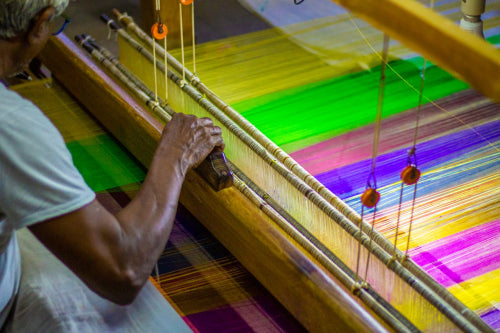
In the bustling lanes of Varanasi or the serene weaving villages of Tamil Nadu, the rhythmic clack of handlooms has echoed through millennia. Today, this ancient craft breathes new life not only in Indian weddings, festivals like Diwali and Navratri, but also on global fashion stages and in everyday modern wardrobes. explores this vibrant revival, where timeless Indian craftsmanship meets contemporary design, delivering pieces that celebrate heritage while embracing sustainability and personal style.
Fast fashion erodes cultural heritage, sidelining artisans and reducing traditions to trends. At IndieHaat, we champion India's craftspeople with handcrafted sarees, apparel, décor, and skincare rooted in authenticity. Each piece embodies skill and ethical care. Support artisans and preserve India's timeless legacy Shop Now!
The Timeless Roots of Handloom Craftsmanship
Handloom weaving in India dates back to the Vedic era, when textiles served as more than garments they embodied cultural identity, spiritual symbolism, and artistic excellence. Ancient texts speak of intricate weaves reserved for deities and royalty, a tradition that has evolved into India's celebrated textile legacy, spanning Banarasi silks, Kanjeevaram cottons, and countless regional specialties.
In today's India, handloom connects deeply with values of sustainability and mindful living. Each saree or fabric carries the distinctive touch of the artisan, with natural variations that make every piece truly unique. For Indian consumers, choosing handloom means supporting rural livelihoods and preserving generational skills. Internationally, buyers in the US, UK, Singapore, Australia, and the UAE seek this authenticity as part of the rising global interest in ethical, artisanal fashion.
Government Initiatives Supporting Weavers and Traditions
Programmes such as the Handloom Mark and PMEGP scheme, alongside GI tags, have strengthened the sector by authenticating traditional designs and improving market access for artisans. These efforts empower weaving clusters across states, enabling weavers to maintain age-old techniques while reaching wider audiences without compromising quality or heritage.
The focus on sustainability resonates strongly. Consumers show growing preference for handwoven sarees and ethnic wear that respect both environment and artisan welfare. E-commerce platforms, enhanced by AI-driven customisation and virtual try-ons, have made these treasures more accessible, connecting weavers directly with buyers across India and beyond.
Modern Adaptations and Fusion Designs
Contemporary designers are reimagining handloom by blending traditional weaves with modern silhouettes elegant anarkalis featuring zari borders, fusion kurtas ideal for professional settings, or contemporary drapes suited for urban lifestyles. This creative evolution has positioned handloom strongly in premium segments, where craftsmanship triumphs over mass production.
Digital innovation accelerates this shift. Social commerce and online marketplaces allow artisans to showcase their work globally, while celebrity endorsements and eco-conscious branding attract younger Indian buyers who value both tradition and style. The result is a dynamic fusion that keeps handloom relevant for weddings, office wear, and festive celebrations alike.
Real Stories from the Loom: Case Studies Across Regions
In Varanasi, dedicated cooperatives produce exquisite Banarasi sarees that travel successfully to markets in the UK and US. These partnerships preserve traditional methods while generating sustainable income for thousands of weaving families, demonstrating how heritage can thrive through thoughtful market linkages.
Indian designers continue to shine internationally. At New York Fashion Week, creators have highlighted regional handloom techniques, bringing global attention to India's rich weaving diversity. In Singapore, retailers feature handloom textiles paired with sustainability certifications, appealing to environmentally aware shoppers. In Dubai, specialty boutiques present handloom apparel as premium artisanal luxury, perfectly aligned with the UAE's appreciation for fine craftsmanship.
Challenges Facing the Handloom Sector
Despite encouraging momentum, real challenges persist. The gradual decline in the number of young weavers threatens the continuity of specialised techniques passed down through generations. Many talented artisan's children migrate to urban jobs offering more immediate financial stability, creating a skills gap that requires urgent attention.
Higher production costs stemming from labour-intensive processes make scaling difficult for competitive international markets. Supply chain complexities including logistics, consistent quality assurance, and fair trade compliance add layers of difficulty, particularly when catering to discerning buyers in the US, Singapore, and UAE. Addressing these issues calls for continued policy support, skill development initiatives, and stronger direct-to-consumer models.
Handloom's Growing Role in Sustainable Indian Fashion
Beyond beauty, handloom aligns naturally with India's push toward conscious consumption. Its low energy footprint, use of natural fibres, and support for rural economies make it a cornerstone of ethical fashion. Indian consumers increasingly choose handloom during major festivals and family events, taking pride in garments that tell a story of cultural richness and community upliftment.
Platforms like Indiehaat play a vital role by curating authentic products, sharing weaver's narratives, and facilitating meaningful connections between artisans and buyers. This approach not only preserves traditions but also builds economic resilience in weaving communities across the country.
Why Indian Consumers and Global Buyers Choose Handloom
- Distinctive Character: Every weave reflects the artisan's personal skill, ensuring no two pieces are exactly alike and offering genuine self-expression.
- Community Impact: Purchases directly support weaver families and help sustain rural economies across India.
- Environmental Responsibility: Minimal mechanisation and natural materials contribute to a lighter ecological footprint.
- Versatile Appeal: From classic sarees for traditional occasions to modern fusion wear for daily use, handloom adapts beautifully to contemporary Indian lifestyles.
- Cultural Pride: Wearing handloom celebrates India's living heritage while making a statement about mindful choices.
Looking Ahead: Weaving a Stronger Future
The evolution of handloom from Vedic origins to today's contemporary silhouettes demonstrates the enduring power of India's artisanal traditions. As more consumers both in India and worldwide embrace these fabrics for their beauty, stories, and positive impact, the sector gains renewed vitality.
Government initiatives, designer creativity, technological adoption, and conscious consumer behaviour will determine how successfully this heritage thrives. Whether draped traditionally for a wedding or styled innovatively for everyday elegance, handloom continues to offer something profoundly relevant: a connection to roots, respect for craftsmanship, and commitment to sustainable living.
“Each thread carries a story of patience, skill, and cultural pride. Choosing handloom means investing in people, preserving legacies, and supporting a future where tradition and modernity weave together seamlessly.”
As India honours its textile legacy and the world increasingly discovers its charm, the handloom journey advances one thoughtful weave at a time. For those seeking authenticity in an era of fast fashion, handloom offers not just clothing, but a meaningful experience rooted in India's rich cultural fabric.
Frequently Asked Questions
What is the history and cultural significance of handloom weaving in India?
Handloom weaving in India dates back to the Vedic era, where textiles were more than garments they embodied cultural identity, spiritual symbolism, and artistic excellence. Ancient traditions reserved intricate weaves for deities and royalty, giving rise to India's celebrated textile legacy that includes Banarasi silks and Kanjeevaram cottons. Today, handloom remains deeply tied to Indian values of sustainability, mindful living, and community pride, with each piece carrying the unique touch of the artisan who created it.
Why is handloom considered a sustainable and ethical fashion choice?
Handloom is widely regarded as one of the most eco-friendly textile options because it involves minimal mechanisation, uses natural fibres, and has a significantly lower energy footprint compared to mass-produced fabrics. Beyond environmental benefits, purchasing handloom directly supports rural weaver families and helps sustain local economies across India. Government programmes like the Handloom Mark, PMEGP scheme, and GI tags further ensure that artisans are fairly recognised and compensated for their traditional skills.
How is Indian handloom evolving to appeal to modern and global consumers?
Contemporary designers are blending traditional handloom weaves with modern silhouettes think zari-bordered anarkalis, fusion kurtas for professional settings, and urban-ready contemporary drapes making the craft relevant for weddings, office wear, and everyday styling. Digital platforms, social commerce, and AI-driven personalisation have opened global markets, connecting Indian artisans with buyers in the US, UK, Singapore, UAE, and Australia. Celebrity endorsements and eco-conscious branding are also drawing younger consumers who value both cultural heritage and modern aesthetics.
Disclaimer: The above helpful resources content contains personal opinions and experiences. The information provided is for general knowledge and does not constitute professional advice.
You may also be interested in: Raksha Bhandan Saree gifts ideas for sisters: Ultimate Guide
Fast fashion erodes cultural heritage, sidelining artisans and reducing traditions to trends. At IndieHaat, we champion India's craftspeople with handcrafted sarees, apparel, décor, and skincare rooted in authenticity. Each piece embodies skill and ethical care. Support artisans and preserve India's timeless legacy Shop Now!
Powered by flareAI.co