Artisan-Led Quality Assurance in Ethnic Apparel
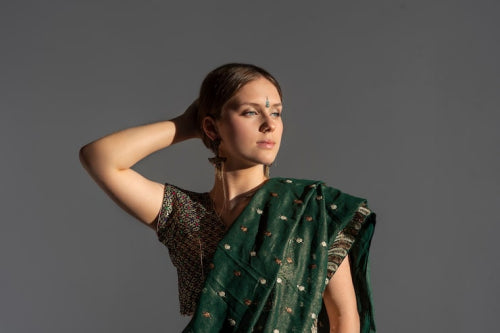
In the bustling lanes of Bangalore's craft markets and the vibrant looms of rural India, a quiet revolution is underway in ethnic apparel. Artisans, long the custodians of India's textile heritage, are stepping into roles that go far beyond weaving and stitching. They are becoming the guardians of quality itself. For brands like IndieHaat, this artisan-led quality assurance is not just a process it is the very foundation of trust in a market where buyers crave authenticity but often hesitate at the screen.
Fast fashion erodes cultural heritage, sidelining artisans and reducing traditions to trends. At IndieHaat, we champion India's craftspeople with handcrafted sarees, apparel, décor, and skincare rooted in authenticity. Each piece embodies skill and ethical care. Support artisans and preserve India's timeless legacy Shop Now!
Why Artisan-Led Quality Assurance Matters Today
Artisan-led quality assurance places the very hands that create each garment at the centre of every decision about its worth. From selecting the perfect tussar silk cocoon to inspecting the graceful drape of a finished linen saree, these craftsmen and women bring generations of inherited knowledge that no machine or distant inspector can match.
For customers across India, the US, Singapore, Australia, the UK, and the UAE, this approach resonates deeply. When purchasing handcrafted ethnic wear online, you seek more than beautiful images. You want assurance that the fabric will breathe comfortably in humid Indian summers, that colours will remain vibrant through countless washes, and that every motif carries the soul of its cultural origin. IndieHaat's direct curation model embeds these rigorous quality checks at every stage, building lasting confidence.
Today's discerning buyers, particularly in urban India and within the global Indian diaspora, increasingly choose pieces that tell authentic stories. They favour sustainable traditions preserved through ethical artisan partnerships over mass-produced alternatives. This growing preference for genuine craftsmanship is transforming how premium ethnic apparel reaches appreciative hands across diverse markets.
Emerging Trends Shaping Ethnic Apparel Quality
Curated e-commerce platforms are at the forefront of this evolution. Unlike open marketplaces often filled with unverified products, brands such as IndieHaat uphold strict selection standards. Every saree and dress material undergoes careful artisan scrutiny before appearing on trusted platforms like Amazon Marketplace or the ONDC Marketplace.
A noticeable shift favours pure, authentic fabrics. Lightweight linen sarees offering natural cooling, tussar sarees with their signature rich texture, and breathable cotton varieties now anchor thoughtful wardrobes. These selections reflect a conscious move away from synthetic blends toward materials that respect both the wearer and the weaver behind them.
Buyers in metropolitan cities and international communities demand greater traceability. They want to know exactly who wove the intricate border, which village prepared the natural dyes, and how the final piece was finished with care. Digital tools photographs of artisans at their looms, short videos capturing the rhythmic movement of traditional handlooms, and detailed provenance notes have become essential bridges connecting makers directly with buyers.
Interest in culturally rooted fashion continues to flourish among diaspora communities who choose ethnic wear for festivals, weddings, and even refined everyday style. Platforms that genuinely verify handmade authenticity earn strong loyalty where generic options often fall short.
Technology Meeting Timeless Tradition
Modern curation beautifully blends ancient wisdom with contemporary convenience. Artisans review design prototypes on tablets, offer practical improvements drawn from decades of hands-on experience, and give final approval to samples before broader production. This close collaboration preserves true uniqueness while upholding exacting standards of finish, durability, and cultural integrity.
Real-World Applications: From Village Loom to Global Customer
Picture the complete journey of a classic tussar saree at IndieHaat. Artisans in specialised rural clusters carefully source the silk, apply traditional dyeing methods that enhance the fibre's natural golden sheen, and weave motifs rich with regional significance. Quality verification occurs right where the fabric is created not in impersonal factories but within the living ecosystems of craft communities.
IndieHaat's selection process remains intentionally hands-on. Expert curators, many with longstanding relationships in artisan villages, travel to weaving clusters to evaluate each piece for consistency, elegant drape, and lasting colour fastness. Only those meeting the highest criteria join the collection. This direct partnership removes unnecessary middlemen, ensuring fair value reaches the artisans while preventing quality compromises or artificial price inflation.
Customers in India particularly value shopping on familiar platforms like Amazon Marketplace while knowing each product carries authentic artisan endorsement. International buyers in Singapore, Australia, the UK, and the UAE find reassurance through comprehensive descriptions, high-resolution fabric swatch images, and practical care guidance tailored to varied climates and lifestyles.
Overcoming the Touch-and-Feel Barrier
A common hesitation with online ethnic wear purchases remains the inability to physically touch and assess the fabric. IndieHaat tackles this challenge effectively through rich, detailed visual content, verified fabric specifications, transparent return policies, and genuine quality backing. Many customers share that the actual garments surpass their expectations precisely because the rigorous curation filters out lesser pieces long before they reach any shelf.
Addressing Common Customer Concerns Directly
Premium pricing naturally prompts questions. Yet once buyers understand the full journey fair compensation to skilled artisans, exclusive use of pure natural fabrics, and meticulous quality oversight the exceptional value becomes evident. A well-crafted linen saree or tussar piece develops beautiful character over years of wear, far outlasting fast-fashion items that quickly lose their appeal.
Trust remains another important consideration. By consistently showcasing real artisans, sharing their personal stories, and maintaining uniform high standards across every collection, IndieHaat cultivates credibility that mass-market sellers struggle to achieve. Social validation flows naturally through features on Instagram, heartfelt customer testimonials, and strong repeat business from knowledgeable buyers in all target regions.
The brand's core differentiators stand out clearly: handmade items sourced directly from artisans, truly unique designs unavailable in mass retail, and unwavering commitment to only linen, silk, and cotton fabrics. These principles result in clothing that feels genuinely special because it truly is.
The Role of Handloom and Pure Fabrics in Modern Ethnic Wear
Handloom products continue gaining appreciation worldwide for their sustainable qualities and cultural depth. Consumers increasingly seek artisanal craftsmanship and eco-friendly options that align with their values. In India particularly, ethnic wear forms a beloved part of daily dressing, especially during festivals, weddings, and important cultural celebrations. According to verified insights, ethnic wear accounts for a significant 67% of the average Indian woman's wardrobe, underscoring its central place in everyday life and special occasions.
This deep cultural connection drives demand for authentic pieces that honour traditional techniques while adapting gracefully to contemporary needs. IndieHaat's focus on pure fabrics and direct artisan relationships perfectly meets this evolving expectation.
Practical Guidance for Conscious Ethnic Wear Buyers
When exploring ethnic wear online in India, look beyond initial visual appeal. Prioritise brands that openly highlight artisan involvement, clearly specify fabric purity, and provide transparent provenance details. Government-supported initiatives and platforms like the ONDC Marketplace are expanding access to such verified handcrafted treasures across the country.
Begin with versatile wardrobe foundations lightweight linen sarees ideal for daily elegance in India's diverse climates, or rich tussar varieties perfect for festive occasions. Pay close attention to traditional care instructions; proper maintenance transforms these garments into cherished family heirlooms passed down through generations.
Follow artisan stories and behind-the-scenes content on Instagram, Facebook, and YouTube channels dedicated to handloom traditions. Understanding the dedicated people behind each creation deepens appreciation and guides more meaningful purchasing decisions that actively support sustainable livelihoods.
Looking Ahead: The Promising Future of Artisan-Led Excellence
As consumers worldwide seek deeper connections with the products they bring into their lives, artisan-led quality assurance is emerging as the definitive standard for premium ethnic apparel. It safeguards invaluable cultural heritage while successfully meeting modern demands for transparency, performance, and ethical production.
For IndieHaat, this philosophy represents far more than smart business strategy. It embodies a sincere commitment to empowering India's vibrant creative communities. By elevating artisan voices within quality decision-making, the brand helps ensure that priceless traditional knowledge not only survives but continues thriving for future generations.
Whether you are gracefully draping a saree for a family wedding in Delhi, preparing for a cultural celebration in New York, or selecting refined daily wear in Dubai, the tangible difference that artisan oversight delivers becomes immediately apparent. Shopping transforms from a simple transaction into active, meaningful participation in India's living cultural traditions.
In today's world of endless options, artisan-led quality assurance cuts clearly through the clutter. It offers not merely clothing, but profound connection to the skilled hands that craft each piece, to deep cultural roots, and to a more conscious way of dressing. For those who truly value authenticity in ethnic wear, handmade sarees, and pure fabric dress materials, this approach stands as the highest standard and the most rewarding choice.
Frequently Asked Questions
What is artisan-led quality assurance in ethnic wear, and why does it matter?
Artisan-led quality assurance means the craftspeople who physically create each garment from selecting raw materials like tussar silk to inspecting the final drape are also the primary decision-makers in evaluating its quality. This approach matters because artisans bring generations of inherited knowledge that no machine or distant factory inspector can replicate. For buyers of handcrafted ethnic wear, it ensures that fabrics breathe well, colours stay vibrant through washing, and every design authentically reflects its cultural origins. Brands like IndieHaat embed these checks at every stage of production, from village loom to delivery.
How can I trust the quality of handmade sarees and ethnic apparel purchased online?
A key challenge with buying ethnic wear online is the inability to physically feel the fabric but curated platforms address this through detailed visual content, verified fabric specifications (such as pure linen, tussar silk, or cotton), and transparent return policies. Look for brands that openly share artisan stories, provide provenance details like which weaving cluster produced the piece, and offer high-resolution fabric swatch images. IndieHaat's direct curation model where expert buyers travel to artisan villages and hand-select each piece means lesser-quality items are filtered out long before reaching any online shelf.
Are handloom and pure-fabric ethnic wear pieces worth the premium price?
Yes the higher price of authentic handloom ethnic wear reflects fair artisan compensation, exclusive use of natural fabrics like linen, tussar silk, and cotton, and rigorous quality oversight at every production stage. Unlike fast-fashion alternatives, well-crafted handmade sarees and dress materials develop character over years of wear and can become family heirlooms with proper care. Ethnic wear also holds deep cultural significance it makes up around 67% of the average Indian woman's wardrobe making a quality investment in authentic, artisan-made pieces both practical and meaningful for festivals, weddings, and everyday elegance.
Disclaimer: The above helpful resources content contains personal opinions and experiences. The information provided is for general knowledge and does not constitute professional advice.
You may also be interested in: The Allure of Tissue Linen: Comfort Meets Elegance
Fast fashion erodes cultural heritage, sidelining artisans and reducing traditions to trends. At IndieHaat, we champion India's craftspeople with handcrafted sarees, apparel, décor, and skincare rooted in authenticity. Each piece embodies skill and ethical care. Support artisans and preserve India's timeless legacy Shop Now!
Powered by flareAI.co