Why Consumers Are Asking More Questions About Fabric Origins
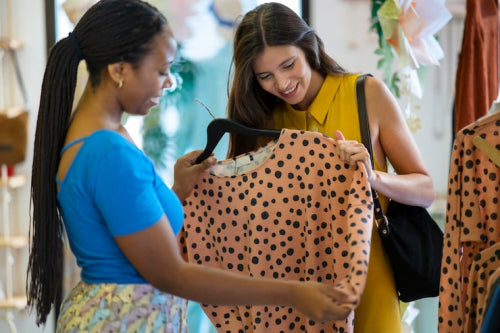
Step inside a busy boutique in Mumbai, browse an e-commerce site in Sydney, or visit a department store in Dubai, and the pattern repeats itself. Shoppers linger longer over labels, open camera apps to scan QR codes, or search brand websites for supply-chain maps. The question driving this behavior is straightforward yet profound: where exactly did this fabric begin its life?
Consumers across India, the United States, Singapore, Australia, the United Kingdom, and the United Arab Emirates are no longer content with surface-level answers about their clothing and home textiles. They want verifiable details about raw material origins, growing conditions, and processing steps. This mounting demand for clarity reflects deeper concerns about environmental responsibility, labor rights, and long-term planetary health. What began as niche interest has evolved into mainstream expectation, compelling the entire textile value chain to respond.
Fast fashion erodes cultural heritage, sidelining artisans and reducing traditions to trends. At IndieHaat, we champion India's craftspeople with handcrafted sarees, apparel, décor, and skincare rooted in authenticity. Each piece embodies skill and ethical care. Support artisans and preserve India's timeless legacy Shop Now!
The Global Surge in Fabric-Origin Awareness
In India one of the world's leading cotton producers and the second-largest textiles and garments manufacturer the conversation has gained particular urgency. The country cultivates cotton across 12.5 million hectares, representing 38% of global cotton acreage. Its textile and apparel sector remains highly diversified, spanning traditional handloom and handicrafts to large-scale organized production. Recent market assessments place the domestic textiles and apparel market at approximately US$ 225 billion in 2025, expanding at a robust 10–12% compound annual growth rate.
Parallel developments are visible in mature consumer markets. British shoppers, increasingly sensitized to the ecological footprint of fast fashion, show growing readiness to favor brands that document responsible material choices even when that choice carries a modest price premium. Across the United States, numerous studies confirm that a significant majority of buyers now incorporate sustainability criteria into routine purchasing decisions, especially among younger demographics. Regulatory momentum in Australia and Singapore has further reinforced disclosure expectations around textile waste streams and supply-chain visibility, while sustainability frameworks in the UAE continue to encourage greater openness in sourcing practices.
Leading Brands Demonstrating Practical Traceability
Forward-thinking companies are already converting consumer curiosity into lasting competitive advantage. Within India, heritage brands such as FabIndia continue to highlight the provenance of handwoven and artisan-produced textiles, connecting buyers directly to the communities and natural fibers behind each piece. This narrative approach strengthens emotional bonds and reinforces purchasing confidence.
Australia provides a particularly instructive model. Through its collaboration with blockchain specialists, Australian Wool Innovation established end-to-end traceability for merino wool from individual farm to finished garment. The immutable ledger allows shoppers to confirm humane animal welfare standards, environmental stewardship, and regional authenticity, setting a benchmark that other natural-fiber sectors increasingly study.
Internationally, few organizations match the rigor displayed by Patagonia. By publicly mapping material sources, enforcing strict chain-of-custody protocols, and steadily increasing the proportion of recycled and responsibly sourced inputs, the brand has built a reputation for credibility in an environment rife with skepticism. Its transparency efforts illustrate how detailed disclosure can become a powerful differentiator rather than a compliance burden.
Persistent Barriers to Full Supply-Chain Clarity
Despite encouraging progress, achieving genuine origin transparency remains technically and economically challenging. Modern textile supply chains cross multiple borders and dozens of processing stages. Spinning mills, dyeing facilities, weaving units, and finishing plants often operate under varying documentation standards, making complete backward tracing labor-intensive and occasionally impossible without new infrastructure.
Financial considerations create additional friction. Obtaining third-party certifications, conducting regular audits, implementing digital tracking systems, and sourcing verifiably responsible fibers all elevate production costs. Smaller manufacturers and emerging labels frequently find these investments difficult to justify, particularly when competing against lower-priced alternatives that make fewer commitments.
Perhaps most damaging is the persistent risk of greenwashing. As consumer interest intensifies, so does the temptation for brands to overstate environmental credentials without supporting evidence. Each unsubstantiated claim undermines confidence in the legitimate efforts of responsible companies and slows industry-wide progress.
Business Advantages That Reward Honest Disclosure
Organizations that overcome these obstacles frequently discover meaningful returns. Authentic transparency fosters deeper customer loyalty; buyers gravitate toward and repeatedly choose brands whose actions align with stated values. In affluent, environmentally attentive markets such as Singapore and parts of the UAE, consumers demonstrate willingness to support labels that can substantiate responsible material choices, creating clear opportunities for premium positioning.
Digital tools continue to narrow the traceability gap. Blockchain platforms, IoT-enabled monitoring, and advanced data-sharing protocols allow real-time visibility across previously opaque segments of the chain. Early implementations in Australia and select Indian clusters already demonstrate that greater clarity often uncovers operational inefficiencies, enabling simultaneous improvements in sustainability performance and cost management.
Looking Forward: Inevitable Change and Strategic Priorities
The direction of travel appears unmistakable. Heightened consumer expectations, combined with expanding regulatory requirements in multiple jurisdictions, will almost certainly lead to broader mandatory disclosure of material origins and sustainability metrics within the coming decade. Brands that treat transparency as a strategic priority today will be best positioned to meet tomorrow's standards and capture preference among increasingly discerning shoppers.
Practical next steps include targeted investment in traceability infrastructure, deeper collaboration with upstream producers (including farmers and artisan groups), and transparent, ongoing communication with customers. Educating buyers about the real-world implications of fabric choices water consumption, soil preservation, chemical management, and fair labor conditions transforms abstract concern into informed decision-making and strengthens brand relationships.
At its core, this shift transcends fashion cycles or marketing tactics. It represents a fundamental rebalancing of accountability within an industry that has historically operated behind layers of geographic and informational distance. Today's consumers are not demanding flawless performance; they are insisting on verifiable honesty. The companies that respond with substance rather than slogans stand to gain not merely survival, but sustained leadership in a rapidly evolving global marketplace.
Frequently Asked Questions
Why are consumers increasingly concerned about fabric origins and textile transparency?
Consumers worldwide are demanding verifiable details about where their clothing comes from due to growing concerns about environmental responsibility, labor rights, and planetary health. What started as a niche interest has become a mainstream expectation, with shoppers across markets like India, the US, UK, Australia, and UAE actively scanning QR codes and searching brand websites for supply-chain information. This shift reflects a fundamental desire for honesty and accountability in an industry that has historically operated with limited transparency.
What are the main challenges brands face when implementing fabric traceability?
Achieving genuine origin transparency is technically and economically challenging because modern textile supply chains cross multiple borders and involve dozens of processing stages with varying documentation standards. Smaller manufacturers struggle with the costs of third-party certifications, digital tracking systems, and regular audits needed for verification. Additionally, the persistent risk of greenwashing where brands overstate environmental credentials without supporting evidence undermines consumer confidence and slows industry-wide progress toward authentic transparency.
How are leading brands like Patagonia and Australian Wool Innovation demonstrating fabric traceability?
Leading brands are using advanced technologies and rigorous protocols to provide end-to-end visibility into their supply chains. Australian Wool Innovation partnered with blockchain specialists to trace merino wool from individual farms to finished garments, allowing shoppers to confirm animal welfare standards and regional authenticity. Patagonia publicly maps material sources, enforces strict chain-of-custody protocols, and increases the use of recycled and responsibly sourced inputs, demonstrating how detailed disclosure can become a powerful competitive differentiator rather than just a compliance burden.
Disclaimer: The above helpful resources content contains personal opinions and experiences. The information provided is for general knowledge and does not constitute professional advice.
You may also be interested in: Why Consumers Are Turning to Handcrafted Products Over Mass
Fast fashion erodes cultural heritage, sidelining artisans and reducing traditions to trends. At IndieHaat, we champion India's craftspeople with handcrafted sarees, apparel, décor, and skincare rooted in authenticity. Each piece embodies skill and ethical care. Support artisans and preserve India's timeless legacy Shop Now!
Powered by flareAI.co