Artisan Communities Navigating Economic Pressures
Quick Listen:
In the bustling lanes of Jaipur and the quiet workshops of rural Rajasthan, artisan communities are quietly rewriting the rules of economic survival. As Artisan Communities Navigating Economic Pressures unfolds, these skilled hands are blending centuries-old traditions with modern strategies to thrive amid inflation, supply disruptions, and shifting buyer expectations.
Fast fashion erodes cultural heritage, sidelining artisans and reducing traditions to trends. At IndieHaat, we champion India's craftspeople with handcrafted sarees, apparel, décor, and skincare rooted in authenticity. Each piece embodies skill and ethical care. Support artisans and preserve India's timeless legacy Shop Now!
The Enduring Strength of Artisan Networks
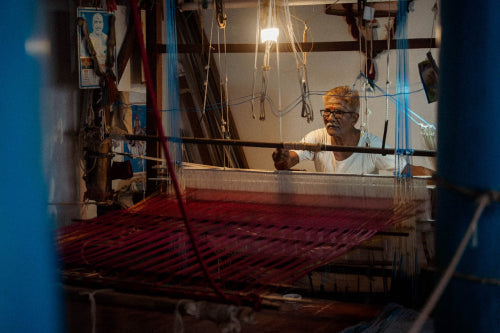
Artisan communities have long served as the cultural backbone of nations, preserving heritage while generating meaningful livelihoods. In India, this is especially visible where intricate embroidery, handloom weaving, and woodcraft continue to tell stories of regional identity. Similar dynamics play out in the United States, Singapore, Australia, the United Kingdom, and the United Arab Emirates, where makers adapt to local economic realities.
Today's pressures feel universal: rising costs of raw materials, fragmented supply chains, and consumers who demand both authenticity and affordability. Yet Indian artisans are responding not with resignation but with remarkable ingenuity merging tradition with technology and community collaboration. This resilience shines through in everything from Rajasthan's block prints to Tamil Nadu's temple crafts.
Digital Transformation Reshaping Traditional Crafts
Across India, craftswomen and men are embracing e-commerce platforms to reach buyers far beyond local haats and weekly markets. Social media has become a powerful showcase, allowing artisans to share their process, connect directly with customers, and build loyal followings. In Singapore, government-supported design incubators help traditional practitioners refine their offerings for contemporary urban tastes.
This shift goes beyond selling online. It involves learning digital marketing, understanding customer preferences in real time, and iterating designs based on feedback. The result is greater resilience: when physical markets slow down, virtual storefronts keep income flowing. Platforms like IndieHaat play a key role in empowering Indian artisans online to access both domestic and international buyers.
Collaborative Models and Sustainable Innovation
In the UK and Australia, cooperative workshops enable artisans to share resources, purchase materials in bulk, and jointly market their collections. These models reduce individual risk and amplify collective visibility. Meanwhile, in the UAE and the US, many artisan brands are turning to eco-friendly materials, responding to growing consumer interest in sustainable and culturally meaningful products.
India's Ministry of Textiles initiatives and Australia's arts funding programs provide crucial scaffolding offering training, market access, and financial support that help small-scale makers scale without losing their soul. The combination of traditional craftsmanship and modern technological advancements continues to drive robust growth in India's embroidery sector.
Spotlight on Rajasthan Craftswomen
Take the craftswomen of Rajasthan who partner with platforms like IndieHaat. By showcasing their embroidery and textiles to global audiences, they have transformed seasonal income into steadier revenue streams. Their success demonstrates how digital tools can preserve endangered crafts while creating economic dignity for families and entire villages.
Real Stories from the Ground
In the Pacific Northwest of the US, artisans maintain steady sales through carefully curated pop-up markets and maker fairs that celebrate local creativity. Singapore's incubator programs have helped several traditional crafts adapt motifs for modern interiors and fashion accessories popular with both residents and tourists.
Australian and British cooperatives stand out for their knowledge-sharing sessions, where senior artisans mentor younger ones while tackling joint procurement challenges. In the UAE, creators weave cultural heritage into luxury items that resonate with expatriate communities and visitors seeking unique souvenirs.
Closer home, Indian artisans are seeing similar success stories. Whether it is Kantha stitch workers in West Bengal or mirror-work specialists in Kutch, the focus remains on storytelling and quality that sets handmade pieces apart from mass-produced alternatives.
Navigating Persistent Challenges
Despite progress, obstacles remain significant. Volatile prices for threads, fabrics, and wood affect production planning in India and the UAE. Many older artisans in India and Australia face hurdles with digital tools, requiring patient, hands-on training programs tailored to local contexts.
Mass-produced alternatives continue to pressure pricing in the UK and US markets. Export-oriented businesses in Singapore and the UAE grapple with regulatory requirements and documentation. Across all regions, the transmission of skills to the next generation emerges as a shared concern without young practitioners, entire craft traditions risk fading.
Yet these challenges are also sparking innovation. Artisans are finding creative ways to source materials locally and build stronger community networks that provide mutual support during tough times.
Turning Challenges into Opportunities
The path forward lies in strategic adaptation. Digital marketing and online marketplaces allow artisans to sell directly to consumers, capturing higher margins and building personal brands. Crowdfunding platforms and microfinance initiatives help secure funds for quality materials and small equipment upgrades without heavy debt burdens.
Many communities are also exploring value-added products turning traditional embroidery into contemporary apparel, home décor, and corporate gifts. By telling authentic stories around each piece, artisans create emotional connections that mass production cannot replicate. Consumers today increasingly value unique, handmade, and culturally significant products over mass-produced items.
Practical Strategies for Long-Term Resilience
- Build hybrid sales channels: Combine online presence with participation in local craft fairs, melas, and cultural festivals like Diwali markets and handicraft expos.
- Invest in skill documentation: Record techniques through video and mentorship programs to preserve knowledge for future generations.
- Focus on sustainable sourcing: Partner with ethical suppliers to meet rising demand for responsible production and eco-friendly handicrafts.
- Leverage cultural diplomacy: Position Indian crafts as bridges between heritage and modern lifestyles in both domestic and export markets.
- Strengthen community cooperatives: Pool resources for bulk buying and collective branding to improve bargaining power.
The Road Ahead for Artisan Economies
The experiences of artisan communities in India and beyond reveal a powerful truth: cultural craftsmanship possesses remarkable staying power when paired with business agility. While economic headwinds will continue, those who embrace innovation while honouring tradition are best positioned to flourish.
Platforms that connect makers directly with conscious consumers play a vital role in this ecosystem. By supporting authentic handmade goods, buyers become active participants in preserving living heritage and sustaining livelihoods across diverse regions. The rising appreciation for detailed, high-quality craftsmanship and personalisation continues to shape how artisans approach their work.
As interest in story-rich, culturally rooted products grows, artisan communities stand ready not merely surviving economic pressures, but redefining what sustainable cultural enterprise looks like in the decades to come. For India, this moment represents both a challenge and a tremendous opportunity to elevate its rich handicraft traditions on the global stage.
Why Supporting Artisans Matters Now
In an era of automation and fast fashion, the human touch in every embroidered motif or hand-carved detail offers something irreplaceable. Supporting these communities means investing in cultural diversity, rural economies, and more mindful consumption patterns. The resilience on display today offers inspiration for creative industries everywhere facing similar uncertainties.
Whether you are a buyer seeking meaningful products, a policymaker aiming to strengthen local economies, or a fellow entrepreneur, the message is clear: backing Indian artisans and global craft communities creates impact that goes far beyond a single purchase. It helps sustain skills, livelihoods, and cultural identities for generations.
Frequently Asked Questions
How are Indian artisan communities adapting to rising costs and economic pressures?
Indian artisan communities are responding to economic challenges through a combination of digital transformation and collaborative strategies. By embracing e-commerce platforms and social media, artisans can reach global buyers beyond local markets, keeping income flowing even when physical sales slow. Many communities are also forming cooperatives to pool resources, buy materials in bulk, and jointly market their collections, reducing individual financial risk while strengthening bargaining power.
What role do online platforms play in supporting Indian artisans?
Online marketplaces and platforms like IndieHaat are crucial in connecting Indian artisans with both domestic and international buyers, helping transform seasonal or inconsistent income into steadier revenue streams. These platforms enable craftspeople from Rajasthan's embroidery workers to Kutch's mirror-work specialists to showcase their work to global audiences while preserving endangered craft traditions. By selling directly to consumers online, artisans also capture higher profit margins and build recognizable personal brands.
What are the biggest challenges facing artisan communities, and how can they build long-term resilience?
Artisan communities face several persistent hurdles, including volatile raw material prices, competition from mass-produced alternatives, limited digital literacy among older practitioners, and the risk of craft traditions fading without younger successors. To build long-term resilience, experts recommend a hybrid approach: combining online sales with participation in local craft fairs, investing in skill documentation through video and mentorship, sourcing materials sustainably, and leveraging government support programs like India's Ministry of Textiles initiatives. Telling authentic stories around handmade pieces also helps artisans create emotional connections with consumers that mass production simply cannot replicate.
Disclaimer: The above helpful resources content contains personal opinions and experiences. The information provided is for general knowledge and does not constitute professional advice.
You may also be interested in: Timeless Colors: 6 Classic Shades That Always Stay in Style
Fast fashion erodes cultural heritage, sidelining artisans and reducing traditions to trends. At IndieHaat, we champion India's craftspeople with handcrafted sarees, apparel, décor, and skincare rooted in authenticity. Each piece embodies skill and ethical care. Support artisans and preserve India's timeless legacy Shop Now!
Powered by flareAI.co