Preserving Artisan Legacies Through Textile Education
Quick Listen:
In the vibrant world of Indian handcrafted textiles, the skills passed down through generations represent far more than mere techniques for weaving or dyeing. They embody living cultural narratives, community identities, and sustainable livelihoods. As modern markets evolve, preserving these artisan legacies demands a renewed focus on education empowering craftspeople to adapt traditional knowledge while maintaining its authenticity. This approach not only safeguards heritage but also strengthens the future of handmade goods in India and beyond.
Fast fashion erodes cultural heritage, sidelining artisans and reducing traditions to trends. At IndieHaat, we champion India's craftspeople with handcrafted sarees, apparel, décor, and skincare rooted in authenticity. Each piece embodies skill and ethical care. Support artisans and preserve India's timeless legacy Shop Now!
The Living Tradition of Textile Craftsmanship
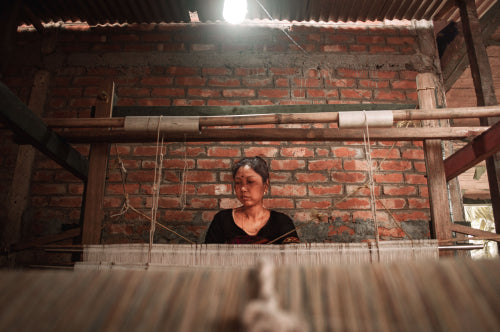
Traditional textile practices thrive when viewed not as frozen artifacts but as dynamic skills actively transmitted within communities. Artisans across India have sustained intricate weaving, natural dyeing, and motif creation through hands-on apprenticeships and family-based learning for centuries. These methods connect younger generations to the stories woven into every sari, shawl, or home textile.
Effective preservation of artisan legacies relies on shifting focus from static objects to the living transmission of skills and knowledge within communities. Traditional craftsmanship thrives when artisans are actively encouraged to produce and teach their techniques, particularly through apprenticeships and community-based learning systems that have sustained these practices for generations. In textile traditions, this means prioritizing hands-on education in weaving, dyeing, and pattern-making that connects younger generations to the cultural stories embedded in every thread and motif. As highlighted in the UNESCO guidelines on safeguarding traditional craftsmanship, globalization and mass production create real pressures, making it harder for hand skills to compete on price and speed, yet targeted educational initiatives can counteract this by building economic viability and pride in the craft. Financial incentives for both teachers and students, along with strengthened local markets for authentic handmade goods, help make learning these skills attractive and sustainable.
Challenges Facing Artisan Communities Today
Globalization and mass production place significant pressure on handcrafted textiles. Artisans often struggle to compete with faster, cheaper machine-made alternatives, leading many younger people to pursue other opportunities. This shift risks eroding the specialized skills that define regional traditions, from Banarasi silk weaving to Kutch embroidery and Tamil Nadu's handloom practices.
Without structured support for skill development, communities lose not just economic pathways but also vital connections to their heritage. Women in rural areas, who frequently form the backbone of these crafts, face particular challenges in balancing traditional roles with modern aspirations. Education emerges as a critical bridge, transforming potential decline into renewed vitality.
Education as a Pillar of Cultural Resilience
Hands-on programs in weaving and textile arts strengthen community identity and resilience, particularly during times of social or economic change. By equipping individuals with technical abilities alongside deeper ancestral knowledge, these initiatives foster emotional well-being and collective memory.
In regions rich with textile histories, educational efforts enable artisans to refine designs for contemporary tastes while honoring foundational methods. This balance proves especially valuable for rural and women-led enterprises, where craft skills provide pathways to independence and continuity. Storytelling integrated into training sessions adds layers of meaning, turning each piece into a carrier of history and innovation.
Textile arts and weaving serve as powerful vehicles for preserving heritage by strengthening community identity and resilience, especially during periods of social or economic disruption. Hands-on education in these crafts equips individuals with not only technical abilities but also a deeper connection to ancestral knowledge, fostering emotional well-being and collective memory. Programs that teach traditional weaving techniques help maintain living practices that might otherwise fade as younger people seek different opportunities. In regions with rich textile histories, such education supports economic stability by enabling artisans to adapt designs for contemporary markets while honoring core methods. As noted in insights on weaving as a tool for cultural resilience, this approach proves particularly valuable for women and rural communities, where craft skills often double as sources of independence and cultural continuity. By incorporating storytelling and practical training, educational efforts transform weaving from a declining occupation into a source of pride and innovation.
Practical Benefits for Artisans and Markets
Textile education delivers tangible advantages that extend throughout the value chain. Artisans gain enhanced capabilities to experiment with sustainable materials, improve quality consistency, and develop marketable variations that appeal to conscious buyers. This adaptability helps maintain economic viability amid changing consumer preferences.
For platforms connecting makers directly with audiences, supporting educational initiatives builds stronger supply chains. Higher-quality output with compelling narratives enhances the value proposition for customers seeking authentic, heritage-rich products. Businesses benefit from reliable partnerships with skilled creators who bring both technical excellence and authentic stories to their work.
Consumers, in turn, develop greater appreciation for the human effort behind each item. This understanding drives demand for pieces that go beyond utility to embody cultural significance and responsible production.
Strategies for Effective Textile Education Programs
Successful initiatives combine traditional apprenticeships with targeted modern elements. Community-based workshops, mentorship pairings between master weavers and emerging talents, and digital documentation of techniques all play valuable roles. Financial incentives for both instructors and participants help sustain participation.
Local markets for handmade goods create immediate outlets for newly honed skills, reinforcing the practical benefits of learning. Integration of environmental awareness such as responsible resource use and adaptation of traditional low-impact methods addresses contemporary sustainability concerns while honoring heritage practices.
Platforms like IndieHaat demonstrate the power of direct sourcing from educated artisans. By prioritizing makers who engage in ongoing skill development, such marketplaces ensure authenticity and quality while creating meaningful livelihoods that keep cultural practices vibrant.
Broader Impact on Heritage and Innovation
Investing in textile education safeguards invaluable legacies while allowing them to evolve. Artisans equipped with both ancestral knowledge and contemporary insights can innovate within tradition perhaps incorporating natural dyes suited to modern sensibilities or adapting patterns for new product categories like home décor and accessories.
This dynamic preservation benefits producers through stable incomes and communities through strengthened cultural identities. It also enriches global appreciation for Indian craftsmanship, positioning handmade textiles as desirable alternatives in an era of increasing interest in sustainable and story-driven consumption.
The approach aligns with broader efforts to maintain diversity in craft traditions, ensuring that practices rooted in specific regions continue contributing to local economies and cultural narratives.
Building Sustainable Futures Through Craft Education
Forward-thinking organizations recognize that supporting artisan education represents an investment in both heritage and innovation. Collaborative models involving community groups, educational institutions, and market platforms create ecosystems where traditional skills flourish.
By embedding learning opportunities into everyday artisan life, these efforts make participation attractive to younger generations. The result is a resilient network of creators capable of meeting market demands while preserving the essence of their craft.
Preserving artisan legacies through textile education offers a powerful model for sustaining cultural wealth in a changing world. As more stakeholders recognize the profound value in these living traditions, the future of Indian handcrafted textiles looks not just secure but full of creative potential. Platforms dedicated to authentic sourcing, like IndieHaat, play an essential role in this ecosystem connecting skilled artisans with appreciative audiences and ensuring that these time-honored practices continue to enrich lives for generations to come.
Frequently Asked Questions
What is textile education and how does it help preserve artisan legacies in India?
Textile education refers to hands-on learning programs that teach traditional weaving, dyeing, and fabric-making techniques passed down through generations. It plays a key role in preserving artisan legacies by ensuring these skills are actively transmitted within communities rather than lost to modernization. By combining ancestral knowledge with structured training, it helps keep India's textile heritage alive and relevant. This approach also strengthens cultural identity and supports sustainable livelihoods for artisan communities.
Why is preserving traditional weaving and handloom skills important in the age of fast fashion?
Preserving traditional weaving and handloom skills is essential because fast fashion and mass production often undermine handmade crafts by prioritizing speed and low cost. This shift can lead to the loss of regional textile traditions, cultural stories, and specialized artisan knowledge. Maintaining these skills helps protect cultural heritage while also supporting ethical and sustainable fashion practices. It ensures that handcrafted textiles remain economically viable and culturally significant in modern markets.
What are the benefits of textile education programs for artisans and rural communities?
Textile education programs provide artisans with improved technical skills, design innovation, and better access to markets for their handcrafted products. For rural communities, especially women, these programs create opportunities for financial independence and stronger community resilience. They also encourage sustainable practices by integrating traditional methods with modern environmental awareness. Overall, they help transform textile crafts into viable and respected livelihoods while preserving cultural heritage.
Disclaimer: The above helpful resources content contains personal opinions and experiences. The information provided is for general knowledge and does not constitute professional advice.
You may also be interested in: Documenting Unique Regional Designs for Consumer Education
Fast fashion erodes cultural heritage, sidelining artisans and reducing traditions to trends. At IndieHaat, we champion India's craftspeople with handcrafted sarees, apparel, décor, and skincare rooted in authenticity. Each piece embodies skill and ethical care. Support artisans and preserve India's timeless legacy Shop Now!
Powered by flareAI.co