Linen Sarees as Everyday Wear in Urban India
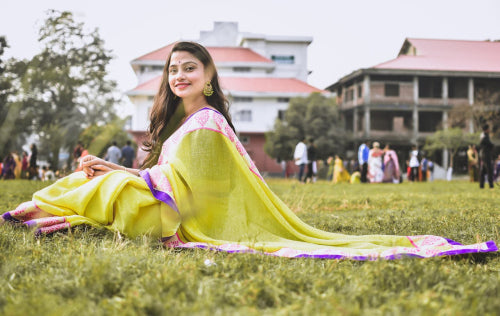
In the bustling streets of Mumbai, where humid air clings to silk and cotton alike, or in the fast-paced tech corridors of Bengaluru, a quiet yet significant shift is underway in urban Indian wardrobes. Women are rediscovering linen sarees as everyday wear, embracing comfort and style in a way that perfectly balances tradition with modern practicality. This movement reflects deeper changes in how city dwellers approach fashion prioritising breathability, sustainability, and versatility without compromising on elegance.
Fast fashion erodes cultural heritage, sidelining artisans and reducing traditions to trends. At IndieHaat, we champion India's craftspeople with handcrafted sarees, apparel, décor, and skincare rooted in authenticity. Each piece embodies skill and ethical care. Support artisans and preserve India's timeless legacy Shop Now!
The Rise of Linen Sarees in Urban India
Linen has emerged as a favourite fabric among urban professionals and homemakers seeking garments that support their dynamic lifestyles. Its natural texture and superior breathability set it apart from heavier silks meant for festive occasions or synthetic materials that trap heat during long Indian summers. The six-yard drape remains culturally resonant, yet linen brings a fresh, lightweight sensibility suited to daily commutes, office hours, and evening family commitments.
This evolution mirrors a broader appreciation for natural fibres across linen sarees India. Urban consumers are consciously choosing fabrics that move with them, offering ease while maintaining the grace associated with traditional Indian attire. The result is a harmonious blend of heritage aesthetics and contemporary needs that resonates deeply in metros like Delhi, Hyderabad, and Chennai.
Driving Forces Behind the Trend
The growing sustainable fashion movement has played a pivotal role. Indian consumers are becoming more mindful of environmental impact, favouring biodegradable options like linen derived from the flax plant. This shift aligns with increased awareness about resource-efficient textiles that require comparatively less maintenance over time.
International exposure has further influenced preferences. Minimalistic linen styles popular in warm climates such as Singapore and the UAE have inspired Indian designers to adapt these elements locally incorporating subtle block prints, elegant borders, and versatile colour palettes. These designs transition effortlessly from morning meetings to weekend gatherings, making linen sarees ideal for everyday saree fashion urban India.
E-commerce platforms have democratised access, allowing women in Tier-1 and Tier-2 cities to discover quality pieces that were previously limited to specialised weavers or premium stores. This accessibility has accelerated adoption significantly.
Real-World Applications Across Urban Life
Professionals in Mumbai's corporate offices and Bengaluru's startup ecosystems are increasingly opting for linen sarees paired with simple blouses and minimal jewellery. The fabric's natural character and slight wrinkles convey authenticity and confidence rather than carelessness when styled with thoughtfulness.
Homemakers across Delhi and Hyderabad find linen equally practical for daily routines whether navigating morning markets, attending cultural classes, or hosting family get-togethers. Its breathability performs well across India's varied climates, from humid coastal regions to drier inland areas.
- Office Comfort: Lightweight drape reduces fatigue during long workdays in air-conditioned yet humid environments.
- Casual Elegance: Perfect for weekend brunches, temple visits, or neighbourhood walks.
- Versatile Styling: Easily paired with modern accessories or traditional elements as needed.
Innovations by Indian Designers
Leading Indian brands are creating hybrid designs that combine contemporary cuts with traditional motifs. These linen sarees respect India's rich textile legacy while addressing practical demands of modern urban living. Many incorporate easy-drape silhouettes and subtle embellishments that enhance wearability without adding bulk.
Global Insights Informing Local Choices
Retailers in warm-weather destinations like the UAE and Singapore have long championed linen for its cooling properties. Indian markets are smartly adapting these learnings, creating garments that celebrate local craftsmanship while meeting international standards of comfort and sustainability. This cross-cultural exchange strengthens the position of sustainable fabrics India on the global stage.
Addressing Practical Challenges Thoughtfully
Like any natural fabric, linen presents considerations that informed consumers learn to manage. Its characteristic wrinkling is often embraced as part of the material's authentic appeal. Simple techniques such as light steaming or strategic folding help maintain a polished appearance for professional settings.
Pricing can be higher compared to basic cotton or synthetics, yet the durability and year-round versatility deliver excellent long-term value. Mid-tier urban buyers increasingly recognise that a few quality linen pieces can replace multiple lesser garments, streamlining wardrobes effectively.
In humid conditions typical of many Indian cities, proper care routines make all the difference. Air-drying in shade and using breathable storage solutions preserve fabric integrity. Brands are proactively supporting customers by sharing detailed care guidance with purchases.
Business Opportunities and Industry Impact
For Indian SMEs and handloom clusters, linen offers substantial potential for differentiation through superior quality, regional designs, and sustainable practices. Brands can successfully position linen sarees as everyday chic eco-conscious choices that deliver strong style statements while supporting local artisans.
Export opportunities appear promising as demand grows in markets like the UK, UAE, and Singapore for Indian linen sarees that fuse heritage with modernity. The lightweight nature of the fabric also brings operational benefits to retailers, including simplified logistics and potentially lower return rates from better-informed customers.
According to industry insights on handloom products, consumer demand continues to thrive particularly for sustainable, unique, and culturally significant items, with Asia Pacific maintaining strong leadership in this space. This trend directly supports the growth of premium natural fibre offerings like linen within India's vibrant textile ecosystem.
Expert Perspectives on the Future Outlook
Textile experts and designers stress the value of consumer education around styling and caring for linen. Integrating these sarees into professional workwear collections, collaborating with influencers, and leveraging digital platforms will drive broader acceptance across urban demographics.
As preferences evolve, the combination of sustainability, unmatched comfort, and timeless Indian aesthetics suggests linen sarees are here to stay. They represent a thoughtful progression in urban fashion where tradition and practicality enhance each other beautifully.
Embracing Linen as an Everyday Essential
For newcomers to linen sarees, beginning with versatile neutrals or soft pastels offers easy integration with existing wardrobes. Exploring regional handloom variations not only delivers authentic texture but also supports artisan communities preserving traditional crafts.
The women championing this shift are making deliberate choices about mindful living amid busy urban schedules. A well-chosen linen saree provides confidence whether worn for important client presentations or relaxed family occasions. It embodies the evolving spirit of modern Indian womanhood rooted in culture yet open to innovation.
Looking ahead, everyday wear in Indian cities promises to become lighter, more breathable, and environmentally conscious. Linen sarees stand poised to play a leading role in this transformation, offering urban women a stylish way to navigate their multifaceted lives with grace and ease.
This movement towards natural, comfortable drapes signals a maturing fashion sensibility one that values longevity, cultural identity, and personal wellbeing in equal measure. As more women experience the difference, linen is steadily securing its place as a wardrobe staple for the contemporary Indian woman.
Frequently Asked Questions
Why are linen sarees becoming popular for everyday wear in Indian cities?
Linen sarees are gaining popularity among urban professionals and homemakers because of their superior breathability, lightweight comfort, and natural texture making them ideal for India's hot, humid summers. Unlike heavier silks reserved for special occasions or synthetic materials that trap heat, linen offers a fresh, practical alternative that maintains the grace and cultural elegance of traditional sarees while supporting dynamic, busy lifestyles. Additionally, the sustainable fashion movement has driven consumer preference for biodegradable fabrics like linen, which aligns with growing environmental consciousness among urban Indian consumers.
How do you care for linen sarees to keep them looking polished?
Linen's characteristic wrinkling is often embraced as part of its authentic appeal, but simple techniques like light steaming or strategic folding help maintain a polished appearance for professional settings. The key to preserving linen sarees in humid Indian climates is proper care: air-dry in shade and use breathable storage solutions to maintain fabric integrity. Many brands now provide detailed care guidance with purchases to help customers manage their linen pieces effectively and ensure long-term durability.
Are linen sarees more expensive than other fabrics, and are they worth the investment?
Yes, linen sarees typically cost more than basic cotton or synthetic options, but they deliver excellent long-term value through superior durability and year-round versatility. Mid-tier urban buyers increasingly recognize that a few quality linen pieces can replace multiple lesser garments, effectively streamlining their wardrobes while providing lasting style. The investment in sustainable, comfortable linen sarees pays off through reduced clothing waste and the ability to wear them across various settings from office environments to casual family gatherings.
Disclaimer: The above helpful resources content contains personal opinions and experiences. The information provided is for general knowledge and does not constitute professional advice.
You may also be interested in: A beginner's guide to selecting the perfect dupatta
Fast fashion erodes cultural heritage, sidelining artisans and reducing traditions to trends. At IndieHaat, we champion India's craftspeople with handcrafted sarees, apparel, décor, and skincare rooted in authenticity. Each piece embodies skill and ethical care. Support artisans and preserve India's timeless legacy Shop Now!
Powered by flareAI.co