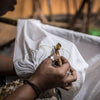
Why Handcrafted Fashion Appeals to Conscious Consumers

Quick Listen:
Handcrafted fashion is gaining attention among consumers who want their clothing choices to reflect more than seasonal trends. For many shoppers, a garment represents a connection to creativity, craftsmanship, and personal values. The appeal of handmade pieces comes from the experience behind them: the skills of artisans, the care involved in production, and the opportunity to own something that feels distinctive rather than disposable. As conscious consumers rethink how they buy and use clothing, handcrafted fashion offers a different perspective on style, ownership, and responsibility.
Fast fashion erodes cultural heritage, sidelining artisans and reducing traditions to trends. At IndieHaat, we champion India's craftspeople with handcrafted sarees, apparel, décor, and skincare rooted in authenticity. Each piece embodies skill and ethical care. Support artisans and preserve India's timeless legacy Shop Now!
The Shift Towards More Thoughtful Fashion Choices
Fashion consumption is increasingly being shaped by questions about quality, purpose, and long-term value. Instead of focusing only on immediate trends, many consumers are becoming more interested in products that fit their lifestyle, reflect their identity, and remain meaningful over time.
This shift is changing how people evaluate clothing purchases. A lower price or a quick trend appeal may no longer be the only deciding factor. Consumers are looking at how products are made, who creates them, and whether the item has qualities that encourage long-term use.
This mindset aligns with the principles behind handcrafted fashion. Handmade garments often represent a slower and more intentional approach to design, where attention is given to materials, techniques, and finishing details. For buyers, this can create a stronger relationship with what they wear because the product carries a sense of individuality and craftsmanship.
The movement towards more mindful consumption is also influencing how people manage their existing wardrobes. Research and commentary around mindful wardrobe management highlight how consumers are exploring ways to better understand their clothing habits and extend the value of what they already own.
Why Craftsmanship Creates Emotional Value
One of the strongest reasons consumers are drawn to handcrafted fashion is the emotional connection created through craftsmanship. A handmade piece often represents time, skill, and creative expression. These qualities can make clothing feel more personal than items produced with a focus on speed and volume.
Traditional craftsmanship carries stories that connect makers, communities, and cultural practices. Techniques passed through generations can transform clothing into a reflection of heritage and creativity. For conscious consumers, owning such pieces can feel like supporting a broader appreciation for human skill and artistic traditions.
This emotional value also influences how people care for their belongings. When consumers understand the effort behind a product, they may be more likely to maintain, repair, and continue using it. The relationship shifts from simply owning clothing to appreciating the work and meaning behind each item.
Handcrafted fashion therefore appeals to shoppers who want their wardrobe to represent personal choices rather than only current trends. The uniqueness of artisan-made designs allows consumers to express individuality while valuing the creative process behind the product.
Handmade Fashion and the Rise of Conscious Consumption
Conscious consumers are increasingly considering the impact of their purchasing decisions. This does not mean avoiding fashion entirely; instead, it often involves choosing pieces with greater intention and understanding their place within a longer product lifecycle.
The conversation around circular fashion reflects this change in thinking. Traditional clothing consumption often follows a pattern of purchasing, wearing, and discarding, while more sustainable approaches encourage reuse, repair, and longer product lifecycles. The future of circular fashion is connected to changing attitudes around clothing ownership and the value of keeping garments in use for longer.
Handcrafted fashion naturally connects with these ideas because many handmade products are valued for their durability, uniqueness, and ability to remain relevant beyond short-lived trends. A thoughtfully created garment can become a lasting part of a wardrobe rather than an item replaced after a brief period of use.
For conscious consumers, this approach supports a different definition of fashion. Style becomes connected with responsibility, personal expression, and appreciation for the resources and skills involved in creating each piece.
The Role of Artisan Fashion in Preserving Cultural Heritage
Fashion is not only about appearance; it can also preserve stories, techniques, and cultural knowledge. Artisan-made clothing often reflects regional traditions, creative practices, and methods developed through years of experience.
When consumers choose handcrafted pieces, they engage with these traditions in a meaningful way. Each product can represent the continuation of skills that might otherwise receive less attention in a market dominated by mass production.
Supporting artisan fashion also encourages greater visibility for makers and their creative contributions. Rather than separating consumers from the people behind their purchases, handmade products create opportunities for stronger connections between creators and buyers.
This connection is especially relevant for shoppers who want their purchases to have a sense of purpose. A handcrafted garment can represent appreciation for craftsmanship while allowing consumers to incorporate cultural influences into contemporary wardrobes.
How Handcrafted Fashion Supports a More Personal Wardrobe
A wardrobe built around handcrafted pieces often reflects a more personal approach to style. Instead of following every new trend, consumers can select items that match their preferences, values, and everyday needs.
This approach encourages thoughtful buying decisions. Consumers may ask whether a piece fits their lifestyle, whether they will enjoy wearing it over time, and whether its design has lasting appeal. These questions help move fashion choices away from impulse purchases and towards more deliberate decisions.
The appeal of handmade clothing also comes from variety. Artisan techniques, materials, patterns, and designs can create pieces that feel distinct. For shoppers seeking alternatives to uniform styles, handcrafted options provide opportunities for self-expression.
As consumers become more aware of their wardrobes, they are also looking for ways to create collections that feel meaningful. Handmade fashion can support this goal by offering products that carry creative character and a stronger sense of connection.
What Brands Can Learn From the Growth of Conscious Fashion
The growing interest in handcrafted fashion offers important lessons for brands and retailers. Consumers are increasingly interested in transparency, authenticity, and the story behind products. They want to understand not only what they are buying but also why it matters.
Brands that work with artisan communities can communicate value by highlighting craftsmanship, design processes, and the people involved in creating products. Educational storytelling can help consumers appreciate the difference between a handmade piece and a mass-produced alternative.
The shift towards conscious purchasing also creates opportunities for brands to focus on quality and meaningful engagement rather than competing only through volume. Sharing the journey behind a product can strengthen consumer understanding and build deeper connections.
For businesses in the handcrafted fashion space, the opportunity is not simply to sell products but to help consumers understand the cultural, creative, and personal value behind them. This approach supports a more informed relationship between shoppers and the items they bring into their lives.
The Future of Handcrafted Fashion and Conscious Consumers
Handcrafted fashion reflects a broader change in how people think about clothing. Consumers are becoming more interested in products that offer meaning, durability, and a connection to human creativity.
The appeal of handmade pieces is not based only on appearance. It comes from the combination of craftsmanship, cultural relevance, and the feeling that a purchase represents a considered choice. As wardrobes become more intentional, consumers are likely to continue valuing products that align with their personal beliefs and lifestyles.
For those exploring more responsible fashion choices, handcrafted clothing provides a way to combine style with appreciation for traditional skills and thoughtful production. It represents a move towards fashion that is not only worn but also valued.
Frequently Asked Questions
Why is handcrafted fashion becoming popular among conscious consumers?
Handcrafted fashion is becoming popular because many consumers want clothing that reflects sustainability, quality, and personal values. Handmade pieces often offer a stronger connection to craftsmanship, cultural heritage, and thoughtful production compared with mass-produced alternatives.
What are the benefits of choosing sustainable handmade fashion?
Sustainable handmade fashion can help consumers make more intentional purchasing decisions by focusing on durability, uniqueness, and long-term value. It also allows shoppers to appreciate artisan skills and support traditional craftsmanship through their clothing choices.
How does artisan fashion support a more meaningful wardrobe?
Artisan fashion supports a meaningful wardrobe by offering distinctive designs, creative expression, and a deeper connection to the people behind each piece. Consumers who choose handcrafted clothing often value items that have a story and remain relevant beyond short-lived fashion trends.
Disclaimer: The above helpful resources content contains personal opinions and experiences. The information provided is for general knowledge and does not constitute professional advice.
You may also be interested in: The Intersection of Traditional Indian Crafts and Contemporary
Fast fashion erodes cultural heritage, sidelining artisans and reducing traditions to trends. At IndieHaat, we champion India's craftspeople with handcrafted sarees, apparel, décor, and skincare rooted in authenticity. Each piece embodies skill and ethical care. Support artisans and preserve India's timeless legacy Shop Now!
Powered by flareAI.co