How to Choose Traditional Wear for Modern Occasions
Quick Listen:
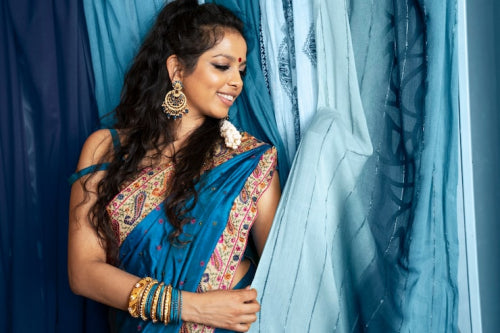
How to Choose Traditional Wear for Modern Occasions often comes down to finding the right balance between heritage, comfort, and personal expression. Traditional clothing is no longer limited to formal ceremonies or specific celebrations; many people are exploring ways to wear cultural silhouettes in settings that reflect contemporary lifestyles. Choosing the right outfit involves more than selecting a beautiful design. It requires understanding the occasion, fabric, styling possibilities, comfort needs, and how traditional details can work with an individual's personality. Whether preparing for a wedding, festival, family gathering, or cultural event, thoughtful choices can help create an outfit that feels authentic and relevant.
Fast fashion erodes cultural heritage, sidelining artisans and reducing traditions to trends. At IndieHaat, we champion India's craftspeople with handcrafted sarees, apparel, décor, and skincare rooted in authenticity. Each piece embodies skill and ethical care. Support artisans and preserve India's timeless legacy Shop Now!
Understand the Occasion Before Choosing Your Outfit
The purpose of an event should guide the foundation of your traditional wear selection. An outfit chosen for a daytime celebration may require a different approach from one selected for an evening wedding or a formal gathering. Considering the venue, expected dress style, weather, and duration of the event can help narrow down suitable options.
For weddings and larger celebrations, traditional outfits with detailed craftsmanship, rich textures, or statement elements can create a more formal appearance. For smaller gatherings, lighter fabrics, simpler silhouettes, and versatile designs may offer a better combination of elegance and ease.
Modern occasions often allow more flexibility than traditional dress codes once required. A saree, kurta set, lehenga, or other ethnic ensemble can be adapted through styling choices such as blouse designs, layering, accessories, footwear, and draping techniques. The goal is not simply to follow a traditional look but to create an outfit that feels appropriate for the moment.
Balance Traditional Craftsmanship with Modern Comfort
One of the most important considerations when selecting Indian traditional outfits for contemporary events is comfort. An outfit may look impressive, but if it restricts movement or feels unsuitable for the occasion, it can affect the overall experience.
Fabric choice plays an important role in creating this balance. Lightweight textiles can make detailed traditional designs easier to wear for longer events, while breathable materials may be more practical for celebrations involving travel, socialising, or extended periods of activity.
Modern ethnic wear ideas often focus on adapting heritage elements for everyday practicality. This can include choosing simpler embroidery, experimenting with contemporary cuts, or selecting outfits that can be styled in multiple ways. A versatile piece can become part of a wardrobe rather than remaining reserved for a single occasion.
The renewed interest in traditional fashion also reflects a broader shift in how people view cultural clothing. As highlighted in traditional fashion going global, heritage garments are increasingly being approached as expressions of identity and personal style, with wearers adapting classic pieces through lighter fabrics, updated silhouettes, and creative styling.
Choose Styles That Reflect Your Personal Aesthetic
Traditional wear offers a wide range of possibilities, from elegant minimal designs to elaborate festive ensembles. The best choice is usually one that reflects the wearer's preferences while respecting the character of the occasion.
Consider Silhouette and Fit
The silhouette of an outfit influences both appearance and confidence. Structured styles can create a formal impression, while relaxed shapes may feel more suitable for casual celebrations. Paying attention to fit ensures that traditional clothing feels comfortable while maintaining its visual appeal.
For example, a well-fitted kurta set can provide a refined look for cultural gatherings, while a carefully styled saree can work beautifully for formal occasions. A lehenga with balanced proportions can create a festive appearance without overwhelming the wearer.
Look Beyond Trends
Fashion trends can provide inspiration, but timeless designs often offer greater versatility. Choosing colours, patterns, and craftsmanship that align with personal taste can help create a more meaningful connection with the outfit.
Contemporary traditional fashion is increasingly shaped by the idea that clothing should tell a story. Heritage-inspired details, regional techniques, and handmade elements can add character while allowing individuals to create a style that feels unique.
Select Fabrics, Colours, and Details Thoughtfully
Fabric selection can influence the entire appearance and comfort of traditional wear. Silk, cotton, linen blends, handloom textiles, and other materials each create different textures and impressions. Understanding how a fabric behaves can help in selecting an outfit that matches both the occasion and practical needs.
Colours also play an important role in traditional styling. Bright shades may suit festive celebrations, while softer tones can create an elegant appearance for daytime events. Instead of choosing colours only based on current trends, consider how they complement your style and the atmosphere of the occasion.
Details such as embroidery, prints, borders, and handcrafted elements can transform a simple outfit into a distinctive ensemble. Handmade craftsmanship often carries cultural significance because techniques are connected to regional traditions and artisan skills.
For shoppers interested in authentic designs, curated platforms that focus on artisan-made products can make it easier to discover traditional pieces with meaningful craftsmanship. The connection between the maker, technique, and final garment adds another layer of value beyond appearance alone.
Adapt Traditional Wear with Contemporary Styling
Learning how to style traditional Indian wear can help create outfits that feel current without losing their cultural identity. Accessories, footwear, hairstyles, and layering choices can significantly change the overall impression of an ensemble.
A traditional outfit can be refreshed through modern styling approaches. For example, pairing classic clothing with minimal jewellery can create a sophisticated look, while statement accessories can add a festive touch. Footwear choices can also influence whether an outfit feels formal, relaxed, or fashion-forward.
Mixing traditional and contemporary elements allows wearers to build outfits suited to different occasions. A handcrafted dupatta, embroidered jacket, or heritage-inspired accessory can introduce cultural details into a modern wardrobe without requiring a completely traditional ensemble.
This approach is particularly useful for those seeking comfortable Indian ethnic wear that can transition between different events. Instead of viewing traditional clothing as something worn only occasionally, many people now look for pieces that offer flexibility and long-term value.
Consider Versatility When Investing in Traditional Pieces
A thoughtful approach to traditional wear involves considering how often and in how many ways an outfit can be used. A garment that can be styled differently for multiple occasions can become a more valuable addition to a wardrobe.
- Can the piece be styled differently with new accessories?
- Does the fabric suit the climate and length of the event?
- Does the design reflect personal style rather than a temporary trend?
- Can elements of the outfit be combined with other wardrobe pieces?
This mindset also supports more thoughtful fashion choices. Selecting well-crafted garments that remain relevant over time can encourage a stronger appreciation for craftsmanship and responsible consumption.
Recent wedding fashion discussions also show how celebrations are becoming more personalised, with people looking for clothing that reflects individuality, comfort, and occasion-specific needs. The shift toward meaningful and adaptable choices is reflected in modern wedding wear trends, where versatile silhouettes and personal styling preferences have become important considerations.
Explore Traditional Fashion with Confidence
Choosing traditional wear for modern occasions is about creating harmony between cultural heritage and contemporary needs. The right outfit should feel comfortable, represent personal style, and suit the environment in which it will be worn.
From selecting fabrics and silhouettes to experimenting with accessories and styling, each decision contributes to the final look. Traditional clothing offers the opportunity to celebrate craftsmanship while adapting naturally to today's occasions.
For those exploring handcrafted fashion, understanding the story behind materials, techniques, and designs can make the selection process more meaningful. A carefully chosen traditional outfit is not only a reflection of an event but also an expression of identity, creativity, and appreciation for cultural artistry.
Frequently Asked Questions
How do I choose traditional wear for modern occasions?
Choose traditional wear by considering the event type, venue, comfort needs, fabric, and personal style. The right outfit should balance cultural elements with modern preferences so it feels elegant, practical, and suitable for the occasion.
What are the best ways to style Indian traditional outfits for contemporary events?
You can style Indian traditional outfits for contemporary events by combining classic silhouettes with modern accessories, footwear, layering, and updated draping techniques. Choosing versatile pieces and adding personal touches can help create a fresh yet culturally connected look.
How can I select comfortable Indian ethnic wear for weddings and festivals?
Comfortable Indian ethnic wear should include breathable fabrics, suitable fits, and designs that allow easy movement throughout the event. Consider the duration, climate, and activities involved when choosing traditional outfits for weddings, festivals, and celebrations.
Disclaimer: The above helpful resources content contains personal opinions and experiences. The information provided is for general knowledge and does not constitute professional advice.
You may also be interested in: Contemporary Indian Fashion Inspired by Heritage Textiles
Fast fashion erodes cultural heritage, sidelining artisans and reducing traditions to trends. At IndieHaat, we champion India's craftspeople with handcrafted sarees, apparel, décor, and skincare rooted in authenticity. Each piece embodies skill and ethical care. Support artisans and preserve India's timeless legacy Shop Now!
Powered by flareAI.co