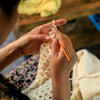
What You Should Know About Handwoven Sarees

Quick Listen:
The gentle fall of a handwoven saree across the body evokes centuries of quiet mastery fingers guiding thread through loom, natural dyes blooming on fabric, each piece carrying the imprint of human touch rather than machine precision. In today's flood of synthetic clothing that clogs landfills and sheds microplastics, these garments made from cotton, silk, and linen represent deliberate elegance rooted in sustainability and heritage.
Platforms like Indiehaat bridge artisans and wearers, offering hand-blocked cottons with intricate motifs, shimmering silk-linen fusions, and crisp pure linens. Their subtle variations tiny shifts in color intensity or weave density signal authenticity in an age of mass uniformity.
Fast fashion erodes cultural heritage, sidelining artisans and reducing traditions to trends. At IndieHaat, we champion India's craftspeople with handcrafted sarees, apparel, décor, and skincare rooted in authenticity. Each piece embodies skill and ethical care. Support artisans and preserve India's timeless legacy Shop Now!
The Enduring Appeal of Natural Fibers
Cotton, silk, and linen stand apart from petroleum-based synthetics precisely because they originate in nature and return there without lasting harm. Biodegradable and renewable, they avoid contributing to the persistent microplastic crisis that now reaches even remote ecosystems. When responsibly produced, their advantages deepen: organic cotton minimizes pesticide use, protecting soil and waterways; ethical silk, often through non-violent methods, honors animal welfare alongside its luminous quality; linen from flax requires modest water and fertilizer compared with many conventional crops.
This approach yields a markedly reduced environmental impact. Durability further strengthens their case quality pieces withstand years of wear, discouraging frequent replacement and supporting circular principles. A cherished cotton saree or linen drape often becomes an heirloom, outliving fleeting styles.
Craftsmanship That Commands Respect
Fast-fashion relies on speed and scale, but hand-blocked and handwoven sarees demand patience and skill. Artisans spend days carving wooden blocks for printing patterns, then apply layers of natural dyes indigo harvested from plants, rich reds extracted from pomegranate over weeks to achieve depth and vibrancy. Slight irregularities emerge naturally, marking each saree as singular.
Such methods consume far less energy and generate minimal chemical waste compared with industrial processes. The higher cost reflects genuine investment in time and expertise, yet it purchases more than fabric: it acquires rarity, cultural continuity, and a garment that functions as wearable art.
Market Momentum Toward Thoughtful Choices
Demand for handcrafted and natural-fiber textiles accelerates steadily. The global handloom sarees market, valued at USD 3.72 billion in 2024, is expected to expand from USD 3.99 billion in 2025 to USD 7.29 billion by 2032, advancing at a robust CAGR of 8.99%. Asia Pacific commanded 68.82% of this market in 2024, underscoring the region's central role in preserving and innovating these traditions.
Broader handloom products show similar strength: the sector stood at USD 8.32 billion in 2024 and is projected to rise from USD 8.95 billion in 2025 to USD 16.62 billion by 2032, with a CAGR of 9.24%. Asia Pacific held 55.77% share in 2024, fueled by consumer appetite for sustainable, distinctive, and culturally resonant items.
In India, the saree market itself demonstrates resilience and evolution. Valued at USD 6.15 billion in 2025, it is forecasted to reach USD 10.77 billion by 2034, growing at a CAGR of 6.43% from 2026-2034. Cotton sarees lead by type with a 23% share in 2025, prized for versatility, breathability, and suitability across climates and lifestyles. Economy-priced options dominate at 55% share in 2025, meeting widespread need for accessible quality.
The larger ethnic wear category reinforces this trajectory. Estimated at USD 92.30 billion in 2023, it is projected to attain USD 138.62 billion by 2030, expanding at a 6% CAGR from 2024-2030. Asia Pacific led with 60.7% share in 2020, while women's segment accounted for about 73.0% and offline channels over 63.0% in the same period patterns that continue to shape growth amid globalization, cultural exchange, and rising fashion consciousness.
These figures highlight a clear shift: buyers increasingly prioritize breathable comfort for everyday use, opulent texture for celebrations, and the assurance that their selections bolster artisans and reduce excess production.
Heritage Woven into Tomorrow
Ultimately, draping a handwoven saree becomes an act of connection to the weaver's steady hands, to plant-derived colors, to techniques refined across generations. While synthetic garments accumulate in waste streams and microplastics pervade waterways, natural-fiber alternatives prove that refinement and responsibility need not conflict.
Consider the next time a cotton saree with delicate block prints catches morning light, or a silk-linen blend flows with effortless grace. Feel the tactile nuance, observe the gentle variations, sense how it adapts to movement. This is more than attire. It is evidence that artistry, ecological mindfulness, and enduring style can thrive together. In a world racing forward, such choices remind us that some threads are worth preserving one careful drape at a time.
Frequently Asked Questions
What makes handwoven sarees more sustainable than regular sarees?
Handwoven sarees made from natural fibers like cotton, silk, and linen are biodegradable and don't contribute to microplastic pollution like synthetic fabrics. The traditional hand-blocking and weaving process consumes far less energy and generates minimal chemical waste compared to industrial manufacturing. Additionally, these quality pieces are extremely durable and often become heirlooms, reducing the need for frequent replacements and supporting circular fashion principles.
Why are handwoven sarees more expensive than machine-made sarees?
The higher cost of handwoven sarees reflects the genuine investment in time, skill, and expertise required to create them. Artisans spend days carving wooden blocks for printing patterns and weeks applying layers of natural plant-based dyes to achieve depth and vibrancy. Each piece is essentially wearable art with unique irregularities that mark its authenticity, making it a singular garment rather than a mass-produced item.
How big is the market for handloom sarees and is it growing?
The global handloom sarees market is experiencing robust growth, valued at USD 3.72 billion in 2024 and projected to reach USD 7.29 billion by 2032, growing at a CAGR of 8.99%. In India specifically, the saree market is valued at USD 6.15 billion in 2025 and forecasted to reach USD 10.77 billion by 2034. This growth reflects increasing consumer demand for sustainable, distinctive, and culturally resonant clothing that supports artisans while reducing environmental impact.
Disclaimer: The above helpful resources content contains personal opinions and experiences. The information provided is for general knowledge and does not constitute professional advice.
You may also be interested in: How to Identify an Authentic Handloom Ilkal Saree – Indiehaat.com
Fast fashion erodes cultural heritage, sidelining artisans and reducing traditions to trends. At IndieHaat, we champion India's craftspeople with handcrafted sarees, apparel, décor, and skincare rooted in authenticity. Each piece embodies skill and ethical care. Support artisans and preserve India's timeless legacy Shop Now!
Powered by flareAI.co