What to Know About Traditional Dyeing Techniques
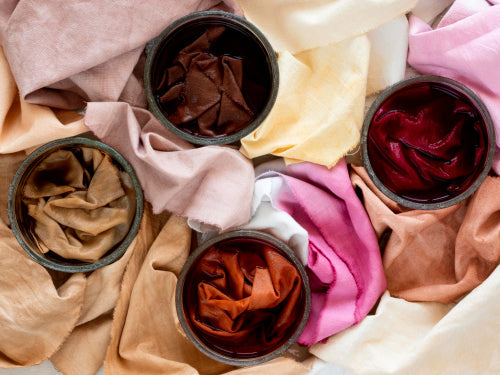
In an age of fleeting trends and mass-produced goods, the quiet persistence of traditional dyeing techniques offers a compelling contrast. These methods, passed down through generations of Indian artisans, infuse garments and accessories with depth, character, and a sense of place that synthetic alternatives simply cannot match. From the intricate knots of bandhani to the deep blues of indigo, these crafts remain vital to India's handmade economy, appealing to buyers who seek more than just fabric they seek stories and sustainability.
Fast fashion erodes cultural heritage, sidelining artisans and reducing traditions to trends. At IndieHaat, we champion India's craftspeople with handcrafted sarees, apparel, décor, and skincare rooted in authenticity. Each piece embodies skill and ethical care. Support artisans and preserve India's timeless legacy Shop Now!
The Evolution of Traditional Dyeing in Indian Textiles
Indian textile traditions have long relied on natural sources for color. Artisans extract yellows from turmeric, crimsons from madder root, and signature blues from indigo leaves, often combined with pomegranate rinds or mineral-based preparations. These choices reflect both availability and cultural heritage, with techniques rooted in centuries of refinement. What sets them apart is their adaptability artisans in Rajasthan and Gujarat continue to innovate within established frameworks, creating patterns that tell the story of local landscapes and seasonal influences.
The enduring appeal lies in the authenticity each piece carries. Unlike uniform industrial output, every dyed item reflects the hand of the craftsperson, the soil conditions, and the specific environment where it was produced.
Key Techniques That Define the Craft
Resist Dyeing: Bandhani and Ikat
One of the most striking methods involves resist dyeing, where artisans tie or bind cloth to protect sections from color. In bandhani, for instance, thousands of tiny knots are created by hand, shielding areas to produce the signature dotted patterns once the bindings are removed. Ikat takes a similar approach by dyeing yarns before weaving, resulting in blurred, wavy designs that give fabrics a unique, almost dreamy quality.
These techniques demand patience and precision, turning simple knots into complex motifs that can cover entire garments. The labor involved ensures that each piece stands apart, with variations that add to the piece's character.
The Indigo Vat Process
Indigo holds a special place among traditional dyes. The process begins with fermenting leaves in vats, where microbial action transforms the mixture into a deep, luminous blue. This anaerobic alchemy requires skill to control temperature, time, and the exact concentration of dye. Once the fabric is repeatedly dipped and dried often multiple times it achieves the rich, wash-fast blue that has defined Indian textiles for millennia.
The method's success depends on the quality of the leaves and the craftsperson's expertise. Variations in fermentation produce subtle differences in tone, making each batch unique.
Natural Ingredients: the Sources Behind Vibrant Hues
Traditional dyeing draws from a rich palette of local plants and materials. Turmeric provides warm yellows, while madder root yields deep reds and oranges. Pomegranate rinds, onion peels, and even insect-derived lac contribute to the full range of shades artisans achieve. Minerals such as iron-rich preparations add blacks and deep tones.
What makes these sources particularly valuable is their accessibility and low toxicity. Unlike many synthetic alternatives, they align with the environmental priorities that increasingly influence consumer choices. The resulting colors often carry subtle medicinal properties, adding another layer of wellness and sustainability to every thread.
In regions like Bagru in Rajasthan, traditional natural dyeing techniques continue to thrive through the dedicated efforts of artisan families who extract colors from local plants, roots, fruits, and minerals such as pomegranate rind, madder, indigo, and iron-rich preparations. These methods involve complex preparations, including boiling ingredients, creating mordants from natural sources like alum or iron with jaggery, and applying them through block printing or immersion to achieve fast, vibrant shades on fabrics like chanderi and mulmul. Initiatives supporting these crafts focus on reviving lost recipes, improving occupational health by reducing chemical exposure, and ensuring eco-friendly production that minimizes wastewater impact. Artisans note the poetic interplay of elements, such as iron and jaggery reacting to produce deep blacks, or combining dyes for nuanced greens and peaches, resulting in colors with subtle variations that reflect seasonal and environmental factors.
This authenticity appeals strongly to conscious consumers who value wellness benefits, as natural dyes lack the harsh residues of synthetics and often carry mild medicinal properties. For handmade marketplaces, highlighting these processes educates buyers on the cultural significance, labor, and sustainability embedded in each piece, encouraging appreciation for slow fashion that supports rural economies and preserves ancient knowledge from the Indus Valley era onward. The growing demand drives workshops and collaborations, expanding the color palette while maintaining the integrity of time-tested techniques.
Challenges Facing Traditional Dyeing Practices
Despite their strengths, these techniques face practical hurdles. Production remains time-intensive, with each piece taking days or weeks to complete. Scalability can be limited, as artisanal vats produce smaller quantities that may not meet large bulk demands without adjustments that could compromise quality.
Color consistency poses another issue. Natural dyes vary with seasonal harvests, weather, and soil conditions, unlike standardized synthetic options. Achieving the desired fastness sometimes requires additional steps, such as mordants or careful post-treatment. These limitations, however, become sources of distinction each irregularity tells the tale of human craft and specific terroir.
Adapting Traditional Methods for Contemporary Needs
Modern demand has led to thoughtful adaptations. Brands and artisans experiment with new motifs, materials like linen or silk blends, and artistic expressions while preserving the essential processes. Collaborations blend heritage techniques with contemporary designs, creating pieces that appeal to both traditionalists and forward-thinking buyers.
Traceability has also gained importance. Geographical indications help verify regional origins, giving buyers confidence in the authenticity of the product. As consumers worldwide seek verifiable stories behind their clothing, these practices offer a compelling edge in an increasingly conscious market.
The Future of Traditional Dyeing
The revival of these techniques reflects a broader shift toward sustainability and cultural respect. As buyers prioritize traceable, low-impact options, traditional dyeing stands as a practical and meaningful response. It supports artisan livelihoods, reduces environmental strain, and delivers pieces with character that endures.
Frequently Asked Questions
Traditional Dyeing Techniques in India: What You Need to Know?
Traditional dyeing techniques in India, such as Bandhani resist dyeing and the Indigo vat process, use natural dyes like turmeric, madder root, and pomegranate rinds to create vibrant, authentic colors. These methods, passed down through generations of artisans, produce unique patterns and deep shades that synthetic alternatives cannot match, making them highly sought after for sustainable fashion.
Key Traditional Dyeing Techniques Like Bandhani and Indigo: How Do They Work?
Bandhani involves tying thousands of knots in cloth to resist dye and create dotted patterns, while Ikat pre-dyes yarns before weaving for wavy designs. The Indigo vat process ferments leaves in vats for luminous blue, requiring precise control of temperature, time, and concentration for wash-fast results that define Indian textiles.
Challenges and Adaptations in Traditional Indian Dyeing Practices: Why Do They Still Matter?
Challenges include time-intensive production and natural color variations due to seasonal factors, yet adaptations like GI tags and collaborations with contemporary brands make these techniques more scalable and appealing to modern buyers. These practices preserve artisan livelihoods, support sustainability, and deliver unique, traceable pieces that consumers value for their authenticity and eco-friendly qualities.
Disclaimer: The above helpful resources content contains personal opinions and experiences. The information provided is for general knowledge and does not constitute professional advice.
You may also be interested in: Artisans Drive Revival of Traditional Weaving Techniques
Fast fashion erodes cultural heritage, sidelining artisans and reducing traditions to trends. At IndieHaat, we champion India's craftspeople with handcrafted sarees, apparel, décor, and skincare rooted in authenticity. Each piece embodies skill and ethical care. Support artisans and preserve India's timeless legacy Shop Now!
Powered by flareAI.co